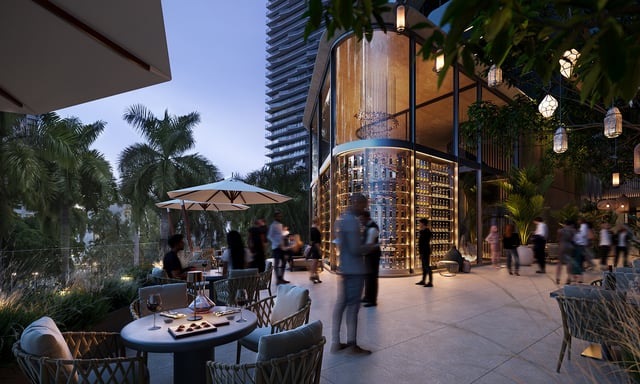
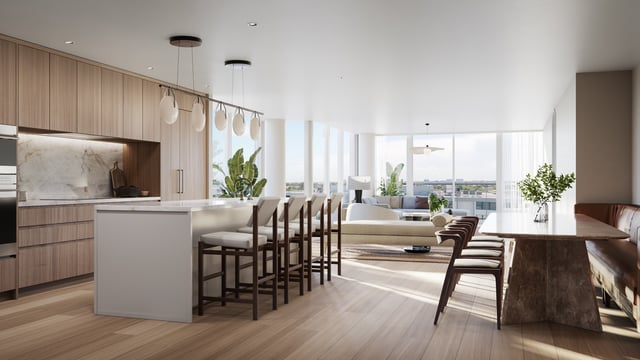
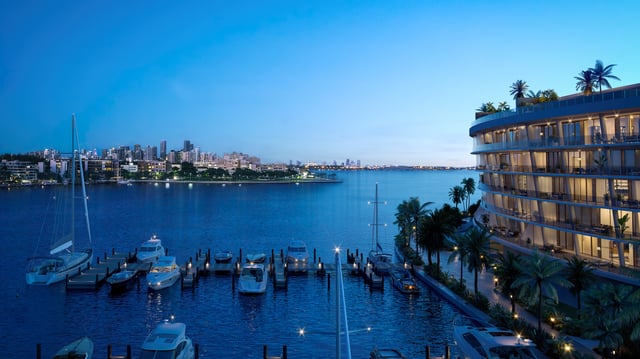
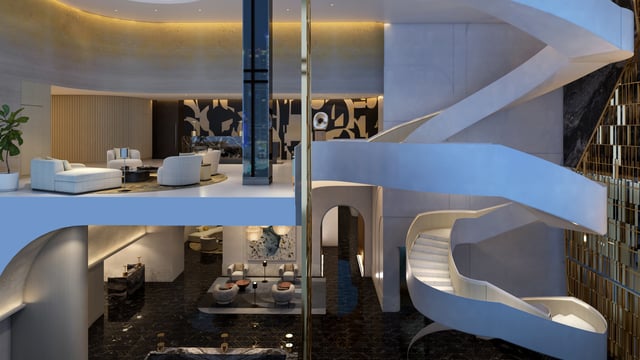
Circadian Lighting and Sleep Optimization Architecture: The Well Bay Harbor Islands vs. Alana Bay Harbor Islands
Quick Summary
- Circadian-ready design starts with glazing, shading, and dim-to-warm control
- Bedrooms need darkness discipline: seals, layout buffers, and quieter MEP zones
- The best homes pair lighting scenes with temperature, acoustics, and air quality
- Bay Harbor buyers should test night mode, not just daytime “wow” lighting
Why circadian lighting is becoming an architectural requirement in Bay Harbor
Luxury buyers in Bay Harbor are no longer asking only for views and finishes. They want residences that perform after sunset, when the nervous system is most sensitive to light quality, glare, and visual clutter. Circadian lighting, in practical terms, is architecture and technology working together to deliver bright, crisp light earlier in the day and calmer, warmer, lower-intensity illumination at night-without turning a home into a showroom of gadgets.
That’s why the comparison between The Well Bay Harbor Islands and Alana Bay Harbor Islands is timely. Both speak to a buyer who values privacy, discretion, and longevity. But the circadian question goes beyond brand language: it tests how the building’s fundamentals support sleep, recovery, and a predictable daily rhythm.
The anatomy of sleep-optimized architecture (before you choose a lighting system)
Circadian lighting succeeds-or fails-long before the first keypad is programmed. Start with the architectural levers below, because they determine how much “help” you’ll need from technology.
1) Daylight geometry and glare management
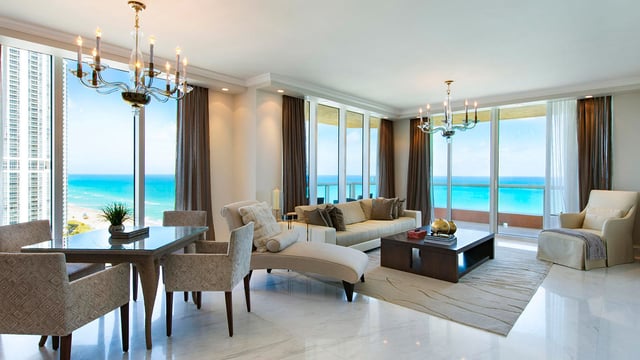
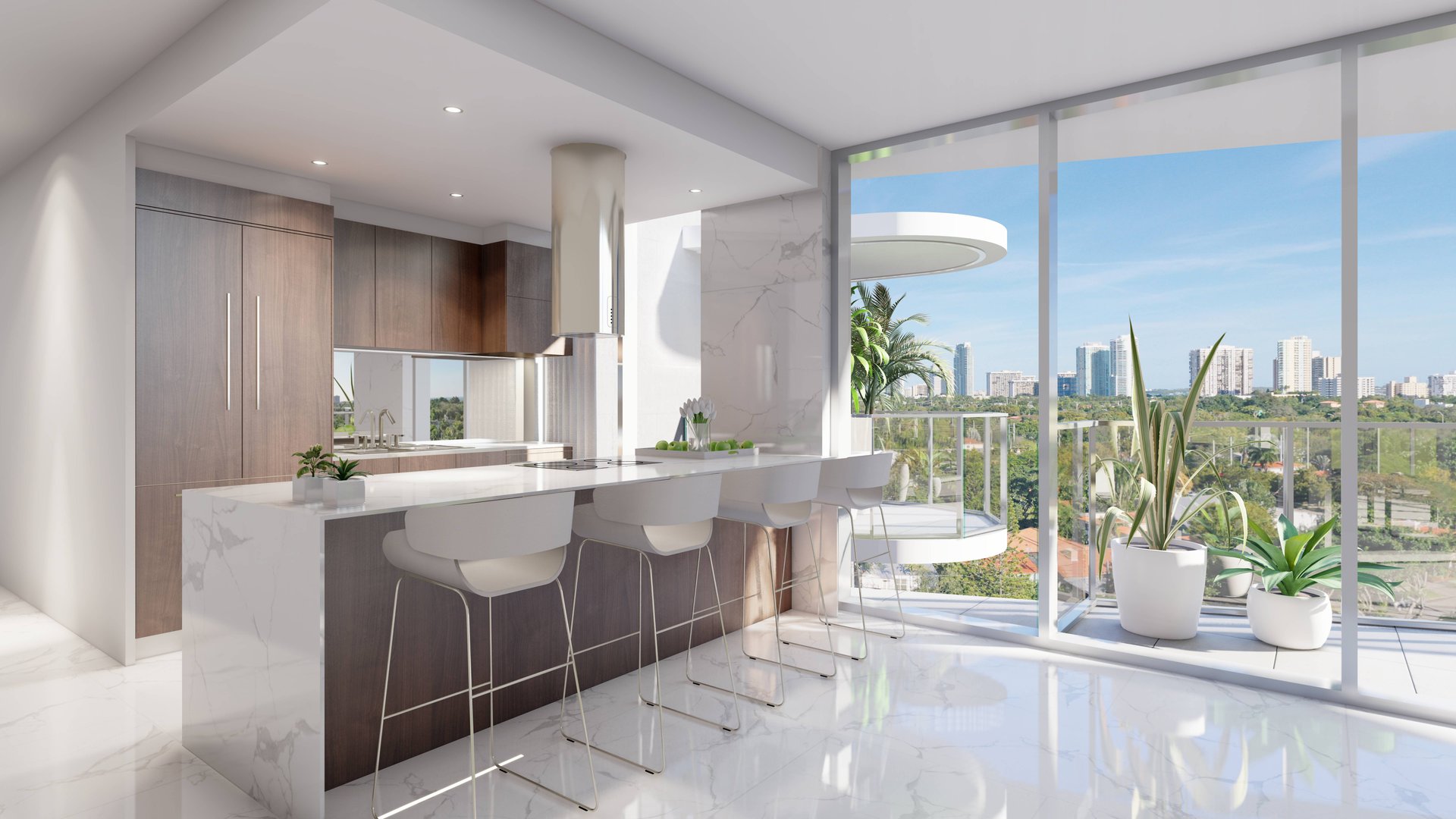
More glass is not automatically better. The target is useful daylight without harsh glare that makes you squint, drop shades, or retreat to interior rooms. The most serene homes at 10 a.m. typically have a disciplined relationship between window placement, ceiling height, and finishes that don’t read as mirror-like.
2) Shading that behaves like a building component, not an afterthought
Motorized shades can be beautiful; performance is what matters. Evaluate coverage, seal, and speed. If shades leak at the edges, you’ll be negotiating your bedroom environment every morning. Blackout capability should be verified room by room-not assumed.
3) Bedroom adjacency and buffering
Sleep isn’t only about darkness; it’s also about separation. A bedroom placed directly off a bright living area-especially one with glossy surfaces and a large TV wall-invites light spill and late-night stimulation. Strong plans use short corridors, pocket doors, vestibules, or built-in buffers so the bedroom lives like a suite, not a corner.
4) Acoustic and mechanical discipline
Even excellent lighting can’t outrun intrusive sound. Confirm where mechanical equipment, elevator cores, garbage rooms, and amenity decks sit relative to primary bedrooms. When you’re optimizing sleep, you’re buying quiet architecture.
The Well vs. Alana: how to compare them through a circadian lens
You don’t need marketing claims to evaluate sleep alignment. Use a consistent, on-site checklist and let the residence tell you what it’s capable of.
What to look for at The Well Bay Harbor Islands
In a wellness-led property, the expectation is coherence: daylight strategy, nighttime scenes, and bedroom planning should feel integrated-not bolted on. When touring, test whether the home feels naturally calm as you dim the lights. If the room still reads “bright” at low levels, the culprit is typically color temperature, reflected glare, or too many exposed downlights.
In the bedroom, pressure-test the basics: can you move from entry to closet to bath using very low, warm pathway lighting? Are switches intuitive enough that you’ll actually use night settings-or will you default to a bright overhead circuit at 2 a.m.? A sleep-optimized home makes the healthy choice the easy choice.
Finally, study how the design handles South Florida sun. The most circadian-friendly residences usually provide layers: filtered daylight by day, then true darkness at night, with lighting that becomes warmer as it gets dimmer.
What to look for at Alana Bay Harbor Islands
Alana can suit buyers who want a refined, residential feel with room to personalize. Circadian performance here often hinges on how well the base building supports upgrades: shade pockets that can accept stronger blackout solutions, ceilings that allow layered lighting (ambient, task, accent), and wall space for keypads without visual clutter.
On tour, look for “lighting resilience.” Put simply: if you changed nothing but bulbs and programming, could you still achieve a day-to-night rhythm that feels natural? A well-composed interior supports circadian scenes without requiring you to rebuild the ceiling plan.
Give bathrooms extra attention. Late-night bathroom lighting is a common circadian disruptor because it’s often bright and cool. The most sleep-oriented homes use gentle, warm, indirect illumination-at toe-kick level or behind mirrors-so you can navigate without fully waking your body.
Lighting design details that separate a wellness home from a beautiful home
Circadian lighting is easy to describe and notoriously difficult to execute. High-performing residences tend to get the details below right.
Dim-to-warm performance
Many systems dim but stay too cool, which can feel clinical at night. In a true sleep-first plan, dimming should deliver both lower intensity and a warmer tone.
Layering instead of “ceiling grids”
A ceiling filled with evenly spaced downlights can look clean, but it often creates a flat, overlit environment that resists mood changes. Layered lighting relies on fewer overhead sources and more indirect, wall-wash, and lamp-level light-typically easier on the eyes in the evening.
Pathway lighting
For sleep optimization, a small amount of very low, warm pathway light is often more valuable than a dramatic chandelier. Think along baseboards, under vanities, in closets, and near steps.
Control simplicity
The most expensive system fails if it’s annoying. Look for an intuitive “Good Night” scene that shuts down the right circuits, preserves safe pathways, and optionally sets bedroom shades and temperature.
A Bay Harbor buyer’s walkthrough: the five-minute sleep test
Use this micro-routine during a second visit.
- Close every shade and turn off main lights.
Confirm whether the room truly darkens-or whether persistent leaks remain.
- Turn on only what you would want at 11 p.m.
If you’re forced into overhead lights, the plan isn’t sleep-forward.
- Check reflections.
Glossy stone, mirrored walls, and high-sheen paint can amplify light in ways that feel sharp.
- Stand at the bed and look toward the door.
If the hallway or living area floods the room, you’ll feel it nightly.
- Listen.
Lighting is half the story; quiet is the other half.
Beyond Bay Harbor: how other South Florida projects signal the same shift
What’s happening in Bay Harbor is part of a broader South Florida luxury movement: homes are increasingly judged by how they support everyday recovery, not only entertaining.
In Coconut Grove, the wellness conversation often includes indoor air, materials, and a calmer neighborhood rhythm. Projects such as The Well Coconut Grove reinforce the idea that “wellness” is now a design brief that touches lighting, acoustics, and routines.
In Brickell, the challenge is different: vertical density and nightlife make light control and quiet bedrooms more critical. Buyers seeking a more sleep-protective experience should pay close attention to glazing performance, shade capability, and thoughtful bedroom separation in towers like 2200 Brickell.
In Surfside, the oceanfront environment introduces its own variables: bright morning sun, reflective water glare, and the desire for blackout sleep after early workouts or travel. In that context, a project like Ocean House Surfside underscores how shading and layered lighting become part of the luxury promise-not a mere upgrade.
Which one fits your lifestyle: decision cues for buyers
Because the Fact Table provided does not specify exact lighting packages or technical specifications, the most reliable approach is to decide based on your appetite for customization and your tolerance for variables.
Choose a more wellness-led positioning if you want an environment that is likely to prioritize recovery as a baseline experience. The objective is consistency: arrive home after travel, press one scene, and feel your body exhale.
Choose a more customization-friendly positioning if you enjoy tailoring the home to your preferences, working with a lighting designer, and dialing in every room. The objective is flexibility: a residence that can accept higher-performance shades, stronger layering, and refined control without fighting the architecture.
Either way, treat circadian lighting as a whole-home system-not a decorative moment. The goal is not dramatic illumination. The goal is a residence that looks exceptional at noon and feels restorative at midnight.
FAQs
-
What is circadian lighting in a luxury residence? It is a lighting approach that supports brighter, cooler light by day and warmer, lower light at night to better align with natural sleep-wake rhythms.
-
Do I need a smart home system to get circadian benefits? Not necessarily; good layering, dim-to-warm fixtures, and effective shading can deliver much of the benefit without complex automation.
-
What matters more for sleep: lighting or shades? Shades usually come first because true darkness is foundational; lighting then helps you move safely at night without over-stimulation.
-
How can I tell if a bedroom will feel dark enough? Do an evening or early-morning visit, close all shades, and look for edge leaks and glow from adjacent rooms.
-
Is blue light always bad at night? Short-wavelength, cool light late at night can be more stimulating, so most sleep-forward designs emphasize warm, low lighting in the evening.
-
What are the biggest mistakes in condo lighting design? Overusing overhead downlights, skipping layered sources, and creating controls that are too complicated to use daily.
-
Can bathroom lighting disrupt sleep? Yes; bright vanity lighting at night can be activating, so warm, low, indirect night lighting is often preferred.
-
Should I prioritize lighting scenes or fixture quality? Both matter, but fixture quality and correct color performance usually come first because scenes cannot fix harsh light.
-
How do I evaluate circadian lighting during a tour? Ask to see low-light settings, check glare on reflective finishes, and test whether you can navigate with minimal warm lighting.
-
Is circadian design only for primary bedrooms? No; it should extend to living areas, kitchens, baths, and hallways so the entire home transitions smoothly from day to night.
When you're ready to tour or underwrite the options, connect with MILLION Luxury.

Million Luxury
Million Luxury
Welcome to MILLION, an exclusive luxury real estate boutique nestled in the heart of South Florida’s most desirable locations. Specializing in high-end properties, we provide a sanctuary for discerning clients including top Fortune 500 executives, affluent families, celebrities, and professional athletes from across the globe. At MILLION, we understand the unique demands of our elite clientele and offer a seamless blend of confidentiality and personalized attention. Our commitment to privacy is unwavering; we ensure that every transaction and interaction is handled with the utmost discretion and according to stringent confidentiality protocols. Our concierge service embodies the pinnacle of white-glove care, offering tailored assistance that transcends traditional real estate support.