Colette Residences Brickell for Buyers Who Want Wellness Amenities That Will Still Matter After Closing
Quick Summary
- Brickell wellness value depends on operations, not just renderings
- Colette should be read through architecture, engineering, and governance
- Walkability can support health, but density brings noise and stressors
- Buyers should test whether amenities will remain useful after turnover
The buyer question behind wellness in Brickell
For buyers considering Colette Residences Brickell, the relevant question is not whether wellness photographs well. It is whether the wellness promise is embedded deeply enough in the residential experience to matter after closing: after the first residents move in, after the building reaches full occupancy, and after association leadership eventually changes.
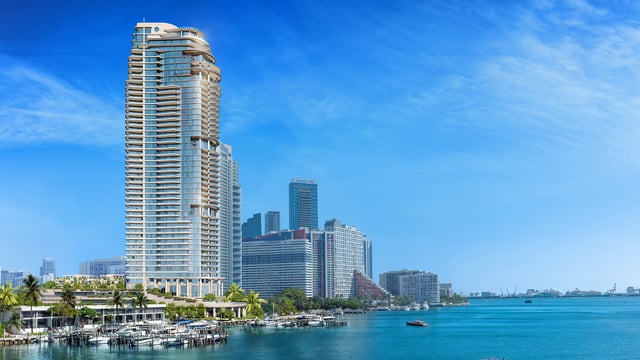
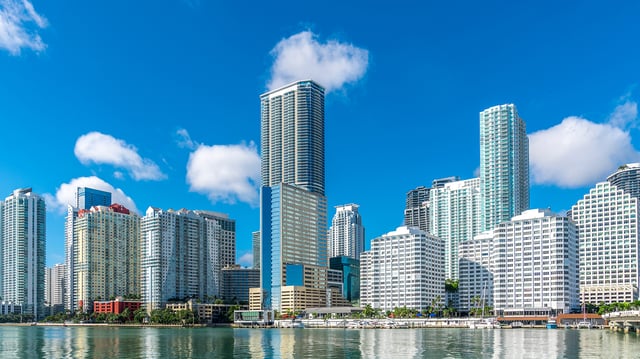
That distinction is especially important in Brickell, where luxury living is inseparable from urban intensity. The neighborhood can place offices, restaurants, hotels, retail, lifestyle services, fitness studios, spas, medical practices, healthy dining, and social venues within a dense, walkable setting. For a certain buyer, that convenience is wellness. It may reduce dependence on the car, support incidental movement, shorten daily errands, and make a full social and professional life easier to maintain.
Yet density has a second side. Traffic noise, nighttime activity, and the general pressure of a vertical financial district can work against the calm that wellness buyers seek. Colette’s long-term appeal, therefore, should be judged by how convincingly it can draw value from Brickell’s lifestyle infrastructure while helping residents manage the burdens of city living.
Wellness is not an amenity list
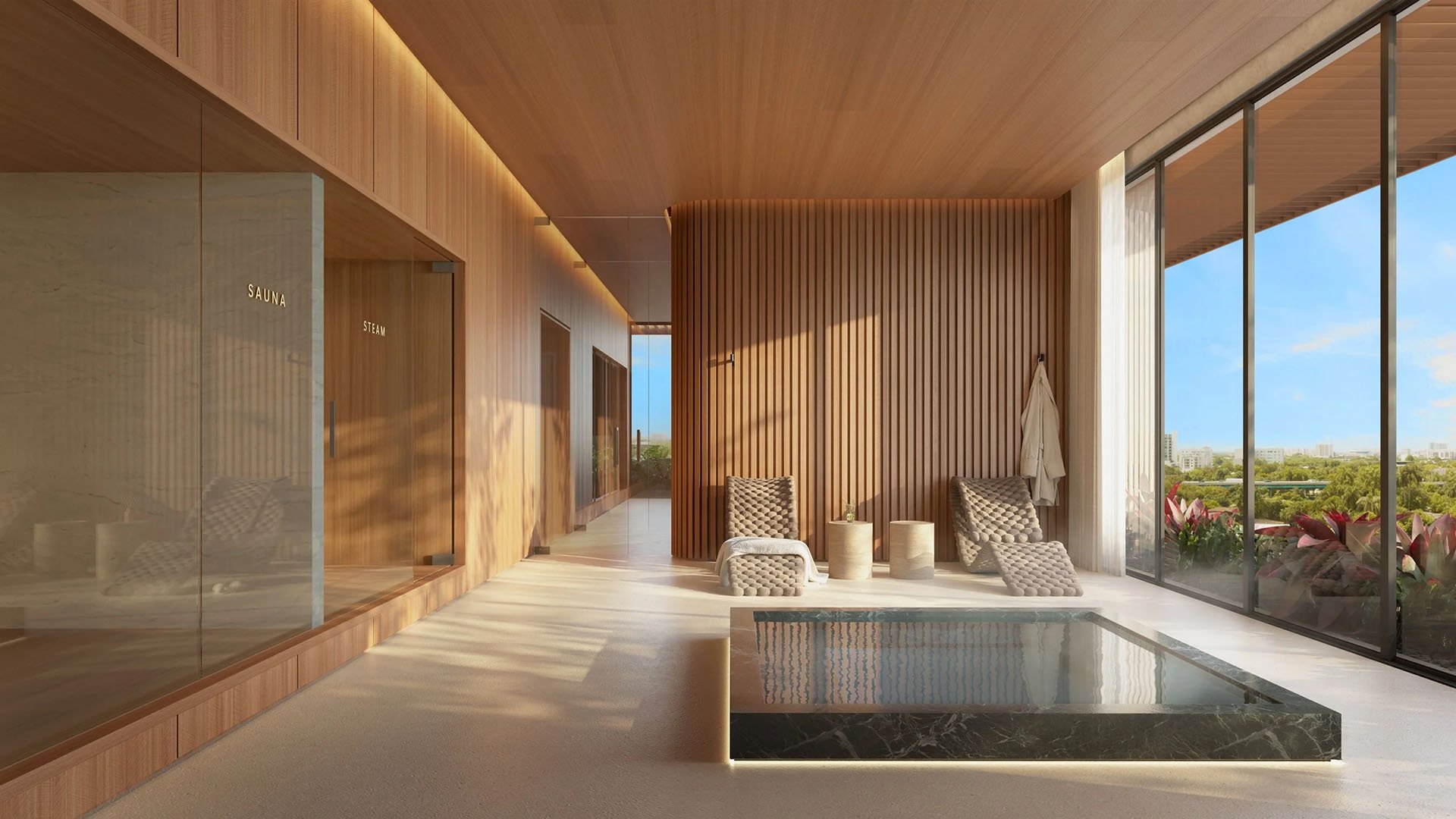
In the most resilient luxury condominiums, wellness is less a tagline than a design philosophy. It sits at the intersection of architecture, engineering, governance, and daily operations. Renderings can establish the mood, but they cannot prove whether spaces will be comfortable at peak use, whether programming will be maintained, whether mechanical systems will support the intended environment, or whether residents will still use the amenities five years after turnover.
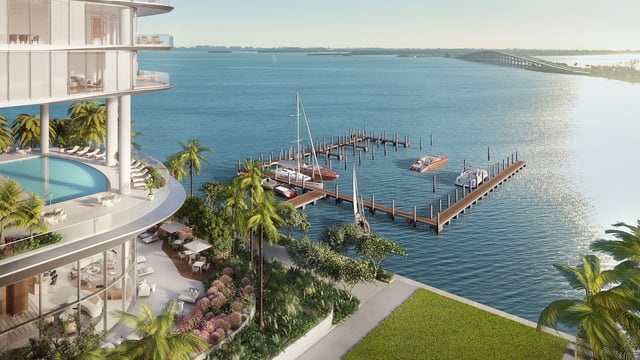
This is where buyers should be especially disciplined. A dramatic amenity deck may help sell a preconstruction residence, but durable wellness depends on features that remain practical when the building is lived in every day. The question is not simply whether a space exists. It is whether the space is easy to access, appropriately scaled, intelligently managed, and supported by an operating budget capable of sustaining the experience.
For new-construction buyers, that means asking how the building’s wellness concept is embedded into the everyday residential routine. Will residents use stairs, corridors, arrival areas, outdoor spaces, and shared rooms naturally, or will wellness remain isolated in a few high-design rooms? Will the building encourage healthier movement and calmer transitions, or will it merely package wellness as a sales-floor visual?
Why Brickell can make wellness more useful
Brickell gives wellness-minded buyers something suburban luxury often cannot: immediate proximity. A resident may be able to combine work, dining, errands, fitness, social life, and waterfront walks without structuring the day around long drives. That matters because wellness in real life is often a function of friction. The easier it is to move, eat well, see people, and reach services, the more likely those habits become.
That is why Colette should be considered within a broader Brickell context rather than as an isolated tower. Nearby residential offerings such as 2200 Brickell and Baccarat Residences Brickell speak to the same larger shift: buyers are not only purchasing interiors, views, and finishes. They are purchasing a daily operating system.
Brickell’s urban setting can also support that argument. Pedestrian access, biking options, and other mobility choices may contribute to a less car-dependent lifestyle when they fit a resident’s routine. For wellness buyers, that can mean more physical activity, lower commuting stress, and stronger neighborhood engagement. The best Brickell residences are the ones that make those advantages feel effortless rather than theoretical.
The urban tradeoff buyers should evaluate
A serious wellness buyer should not romanticize Brickell. The same elements that make the area dynamic can also introduce stress. Traffic, sound, late-night energy, and dense circulation patterns are part of the environment. For Colette, the long-term wellness test is how well the residence can frame the city as an asset without allowing it to overwhelm the private experience.
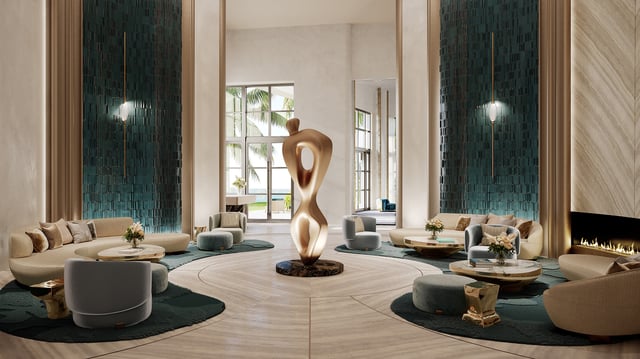
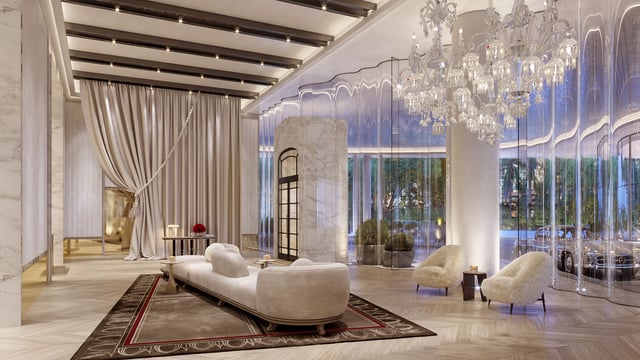
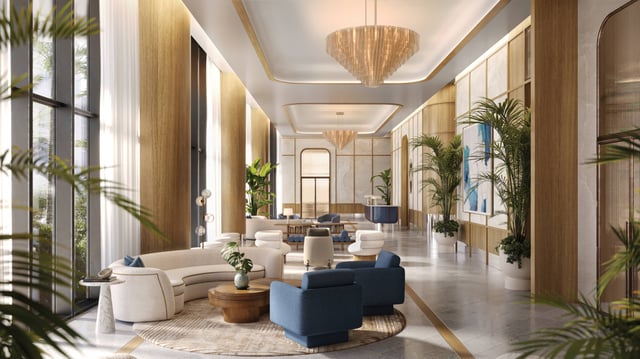
Buyers should study how arrival, lobby flow, elevator access, outdoor exposure, acoustic comfort, and resident circulation are expected to function during real use. They should also consider how amenity spaces will feel at peak hours, not only when photographed empty. A wellness amenity that is inconvenient, overcrowded, poorly scheduled, or underfunded can lose relevance quickly.
In this sense, Colette belongs in a competitive Brickell conversation that includes projects such as Cipriani Residences Brickell and The Residences at 1428 Brickell. The comparison is not about copying amenities. It is about determining which buildings treat wellness as an operational standard rather than a decorative category.
What should still matter after closing
The most durable wellness features are the ones residents can use without ceremony. They make the building easier to live in, not simply more attractive to tour. Walkability, calmer circulation, intelligent access to lifestyle services, and well-managed shared spaces can all have more enduring value than the most photogenic amenity if those elements improve ordinary days.
Governance matters as much as design. After closing, the residential association and management culture become central to the owner experience. A building can begin with a strong wellness narrative, but if staffing, maintenance, programming, reservation systems, or operating priorities drift, the value can weaken. Buyers should examine not only what is promised, but what must be funded, staffed, cleaned, scheduled, and renewed.
This is also why the best questions are practical. How will shared spaces be maintained? How will resident demand be managed? How will urban stressors be mitigated? How does the building help residents transition from street intensity to private calm? A buyer who asks those questions is looking beyond the sales presentation and toward actual ownership.
A refined way to read Colette Residences Brickell
Colette’s wellness relevance should be read as a proposition about lifestyle durability. Brickell already supplies much of the external wellness infrastructure: walkable dining, nearby services, social energy, mobility options, and access to daily conveniences. The building’s task is to make those advantages feel composed, livable, and repeatable.
That is the more sophisticated lens for buyers. Wellness is not only a spa-like mood, and it is not only a collection of rooms with polished materials. In a dense urban setting, it is the quality of movement from home to street, from work to dinner, from public energy to private retreat. It is also the confidence that the building’s systems and management will continue to support that rhythm over time.
For buyers comparing Brickell options, the strongest residences will be those that combine neighborhood access with long-term operational clarity. Colette’s appeal will be clearest to purchasers who understand wellness as something lived daily, measured quietly, and sustained after the closing celebration ends.
FAQs
-
What is the main wellness question for Colette Residences Brickell? Buyers should ask whether wellness is embedded in architecture, engineering, governance, and operations, not only in marketing imagery.
-
Why does Brickell matter to the wellness conversation? Brickell can support wellness through walkability, services, dining, mobility options, and proximity to work and social life.
-
What are Brickell’s wellness tradeoffs? The tradeoffs include traffic noise, nighttime activity, dense circulation, and other urban stressors.
-
Should buyers rely on amenity renderings alone? No. Renderings can be useful, but buyers should focus on daily usability, scale, maintenance, and operating discipline.
-
What makes a wellness amenity durable after closing? Durable amenities remain accessible, well managed, appropriately funded, and useful once the building is fully occupied.
-
How does walkability affect wellness value? Walkability can encourage movement, reduce car dependence, lower commuting stress, and make daily routines easier.
-
Why is governance important for wellness amenities? Governance influences staffing, budgets, maintenance, programming, and the long-term quality of shared spaces.
-
Is wellness only about fitness spaces? No. Wellness can also include circulation, acoustic comfort, mobility, access to services, and the ability to decompress at home.
-
How should buyers compare Colette with other Brickell projects? They should compare how each building turns wellness from a promise into an operationally reliable ownership experience.
-
Who is the right buyer for this kind of residence? The right buyer values urban convenience but also wants a residence that helps manage the pressures of dense city living.
For a confidential assessment and a building-by-building shortlist, connect with MILLION.

Million Luxury
Million Luxury
Welcome to MILLION, an exclusive luxury real estate boutique nestled in the heart of South Florida’s most desirable locations. Specializing in high-end properties, we provide a sanctuary for discerning clients including top Fortune 500 executives, affluent families, celebrities, and professional athletes from across the globe. At MILLION, we understand the unique demands of our elite clientele and offer a seamless blend of confidentiality and personalized attention. Our commitment to privacy is unwavering; we ensure that every transaction and interaction is handled with the utmost discretion and according to stringent confidentiality protocols. Our concierge service embodies the pinnacle of white-glove care, offering tailored assistance that transcends traditional real estate support.