Continuum on South Beach and Auberge Beach Residences & Spa Fort Lauderdale: A Due-Diligence Lens on Ownership Flexibility, Association Rules, and Long-Term Livability

Quick Summary
- Compare Miami Beach prestige with quieter Fort Lauderdale beachfront living
- Focus on guests, leasing, approvals, amenities, and permitted use
- Long holds depend on governance, insurance, maintenance, and lifestyle fit
- Neither address wins universally; the right match is use-case specific
The question is fit, not supremacy
For the ultra-luxury buyer comparing Continuum on South Beach with Auberge Beach Residences & Spa Fort Lauderdale, the useful question is not which building is superior in the abstract. It is which ownership framework, association culture, and daily setting best support the way the residence will actually be used.
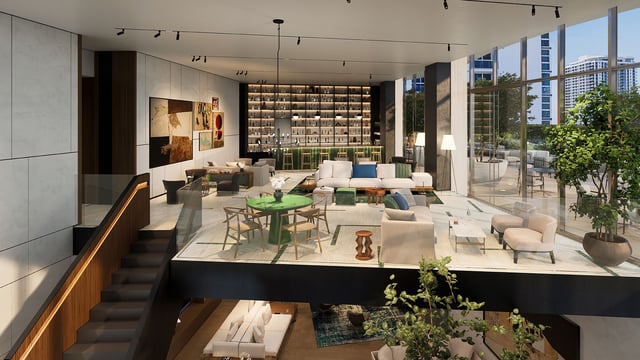
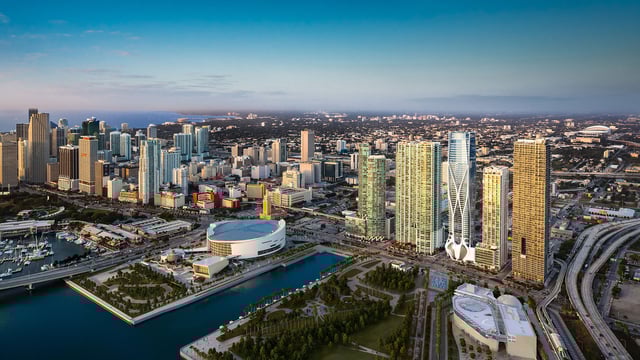
Continuum on South Beach holds an established position in Miami Beach, at the southern tip of the South of Fifth district. Its appeal begins with permanence: a globally recognized address, a highly walkable South Beach setting, and a dual-tower community with a resort-scale amenity base. For buyers who want the gravitational pull of Miami Beach, the South of Fifth shorthand still carries rare international recognition.
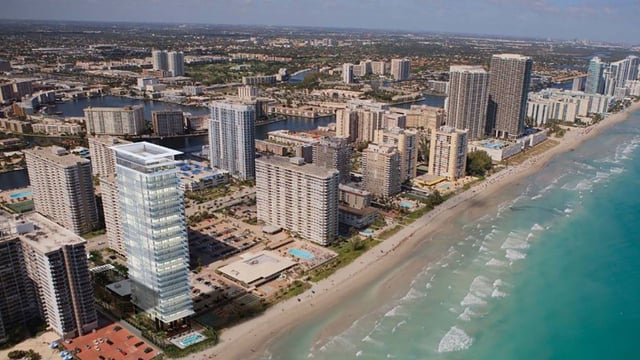
Auberge Beach Residences & Spa Fort Lauderdale operates in a different register. It is positioned as a newer oceanfront luxury condominium in Fort Lauderdale, pairing private residential ownership with a branded-resort hospitality identity. The mood is quieter, more Broward beachfront than South Beach spectacle, and that distinction sits at the center of the decision.
Ownership flexibility starts with intended use
Before comparing finishes, views, or amenity preferences, a buyer should define the intended use. Is the residence a primary home, a seasonal base, a second home for family use, or a long-hold asset that may be leased at some point? The answer should shape the entire due-diligence file.
At Continuum, the community’s established nature makes governance history especially important. Buyers should examine permitted use, guest policies, leasing flexibility, amenity access, owner approval processes, and any restrictions that could affect family, staff, or long-term tenants. Resale buyers in mature luxury communities are not simply purchasing an apartment. They are entering a rule system refined over time.
At Auberge Beach Residences & Spa Fort Lauderdale, the branded-resort identity adds another layer. A hospitality sensibility can elevate service expectations, but buyers still need to distinguish lifestyle branding from condominium governance. The relevant questions remain practical: who may use the residence, how guests are handled, what approvals apply, and how the association balances private ownership with a resort-inflected experience.
Association rules are part of the architecture
In ultra-luxury condominiums, association rules are not administrative fine print. They are part of the architecture of daily life. They influence privacy, elevator flow, amenity feel, leasing optionality, renovation approvals, pets, staffing, deliveries, and the invisible choreography of ownership.
For a buyer drawn to Continuum’s walkable Miami Beach environment, the tradeoff is energy. South Beach delivers proximity, recognition, and density. It also requires clarity about how the association manages access, guests, amenity usage, and owner expectations in a destination submarket. Buyers cross-shopping nearby South Beach addresses such as Apogee South Beach will often find that rules, not just views, define the living experience.
For a buyer drawn to Auberge Beach, the tradeoff is different. Fort Lauderdale offers a quieter beachfront rhythm, yet the branded-resort positioning should be read closely through the governing documents. The promise of a refined service environment is most durable when the association’s rules, budgets, and maintenance priorities align with the owner’s intended horizon.
Long-term livability is a 10- to 20-year question
For a 10- to 20-year hold, the acquisition price is only the first chapter. Coastal ownership is shaped by maintenance trajectory, insurance realities, reserve planning, regulation, and the ability of a building to sustain its original promise through market cycles.
Continuum’s strongest fit is the buyer who prioritizes an established Miami Beach address, dense walkability, and the prestige of a globally known residential setting. That buyer should be comfortable with the energy and visibility of South Beach, and should give particular attention to association governance, maintenance planning, and rental flexibility.
Auberge Beach’s strongest fit is the buyer who prefers a newer oceanfront environment, a quieter Fort Lauderdale context, and the atmosphere of branded-resort living. Buyers comparing it with other Fort Lauderdale luxury addresses, including Four Seasons Hotel & Private Residences Fort Lauderdale and St. Regis® Residences Bahia Mar Fort Lauderdale, should focus less on brand hierarchy and more on the specific ownership obligations attached to each building.
Neighborhood context changes the ownership experience
Continuum places the owner in one of Miami Beach’s most recognizable residential and lifestyle submarkets. The appeal is immediacy: walking, dining, beach life, and the international profile of South Beach. For owners who want a residence connected to a global social circuit, that setting is difficult to replicate.
Auberge Beach offers a more restrained Fort Lauderdale beachfront experience. Its context reflects Fort Lauderdale’s evolution toward higher-end oceanfront residential offerings, with a calmer tone than the more internationally trafficked Miami Beach environment. For some owners, that quiet is the luxury. For others, the comparative distance from South Beach’s daily energy may feel less compelling.
This is why lifestyle fit belongs in the due-diligence memo. A buyer who wants walkability, recognition, and density may find Continuum more intuitive. A buyer who wants oceanfront living with a softer daily cadence may find Auberge Beach more aligned.
What buyers should request before committing
Before contract deadlines harden, buyers should obtain and review the declaration, bylaws, house rules, leasing rules, current budget, reserve information, insurance details, minutes, pending assessments, approval procedures, renovation policies, and any rules governing guests and amenity access. Counsel and qualified advisors should read these materials through the lens of the buyer’s intended use.
The best purchase is not necessarily the one with the most dramatic view or the newest amenity deck. It is the one where the residence, rule set, neighborhood, and holding period support the same lifestyle thesis.
FAQs
-
Is Continuum on South Beach better than Auberge Beach Residences & Spa Fort Lauderdale? Not universally. Continuum favors an established Miami Beach lifestyle, while Auberge Beach favors a newer, quieter Fort Lauderdale oceanfront setting.
-
What is the main due-diligence issue for Continuum on South Beach? Buyers should focus on association governance, permitted use, rental flexibility, guest rules, and long-term maintenance trajectory.
-
What is the main due-diligence issue for Auberge Beach Residences & Spa Fort Lauderdale? Buyers should review how the branded-resort identity interacts with private ownership, guest use, leasing, amenities, and approvals.
-
Why do association rules matter so much in luxury condos? They shape daily privacy, access, leasing optionality, amenity use, renovations, and the overall culture of the building.
-
Which property is better for walkability? Continuum’s South of Fifth location gives it a highly walkable South Beach setting with strong lifestyle immediacy.
-
Which property is better for a quieter beachfront lifestyle? Auberge Beach is positioned in a quieter Fort Lauderdale beachfront context compared with the more trafficked South Beach environment.
-
Should rental rules be reviewed before purchase? Yes. Buyers should confirm leasing limits, tenant approval procedures, minimum terms, guest policies, and any restrictions on owner use.
-
Does newer construction automatically mean easier ownership? No. A newer building may offer a different environment, but the governing documents, budgets, insurance, and association practices still control ownership.
-
Is this comparison relevant for long-term owners? Yes. Over a 10- to 20-year hold, maintenance, insurance, coastal regulation, governance, and lifestyle fit can matter as much as price.
-
What is the practical takeaway for buyers? Choose the building whose rules, governance culture, neighborhood rhythm, and long-term obligations match how the residence will actually be used.
For a tailored shortlist and next-step guidance, connect with MILLION.

Million Luxury
Million Luxury
Welcome to MILLION, an exclusive luxury real estate boutique nestled in the heart of South Florida’s most desirable locations. Specializing in high-end properties, we provide a sanctuary for discerning clients including top Fortune 500 executives, affluent families, celebrities, and professional athletes from across the globe. At MILLION, we understand the unique demands of our elite clientele and offer a seamless blend of confidentiality and personalized attention. Our commitment to privacy is unwavering; we ensure that every transaction and interaction is handled with the utmost discretion and according to stringent confidentiality protocols. Our concierge service embodies the pinnacle of white-glove care, offering tailored assistance that transcends traditional real estate support.