How to Compare Private-Chef Access Before Choosing Oceanfront, Bayfront, or City Living
Quick Summary
- Oceanfront living favors privacy, ritual, and controlled in-home service
- Bayfront addresses can balance entertaining, arrival ease, and calm views
- Brickell and urban settings often improve chef access and service speed
- Buyers should test kitchens, staff paths, storage, and concierge depth
The Dining Question Behind the Address
For South Florida’s most discerning buyers, the question is no longer simply whether a residence has a chef’s kitchen. It is whether the address supports the way a private chef actually works. Oceanfront, bayfront, and city living each bring a distinct rhythm of provisioning, staff movement, guest arrival, privacy, and after-dinner ease. The better comparison is not merely architectural. It is operational.
A private-chef lifestyle can mean intimate family dinners, wellness-driven meal planning, seasonal entertaining, or formal weekends with visiting guests. Each version places different demands on a home. Refrigeration, pantry depth, ventilation, service elevators, loading access, parking, acoustic separation, terrace flow, and building policies can matter as much as the finish palette. New-construction buyers, in particular, should look past renderings and ask how the residence performs at 5 p.m. on a Friday, when the chef, guests, floral delivery, and wine service all arrive within the same hour.
This is where the choice between oceanfront serenity, bayfront flexibility, and urban convenience becomes highly personal.
Oceanfront: Privacy, Ceremony, and a Slower Culinary Tempo
Oceanfront living is often chosen for its sense of removal. The meal becomes part of a larger ritual: morning breakfast after the beach, lunch on a shaded terrace, dinner with the sound of the Atlantic in the background. For buyers who value discretion, this setting can be ideal. Guest lists are often smaller, the cadence more controlled, and the residence itself becomes the destination.
When evaluating an oceanfront building, focus on the invisible details. Can a chef arrive without moving through primary social spaces? Is there a practical route for provisions? Does the kitchen support both plated service and casual family use? Are terraces deep enough for service without crowding? Is the dining room positioned so ocean views elevate the experience without forcing glare, wind, or humidity into the plan?
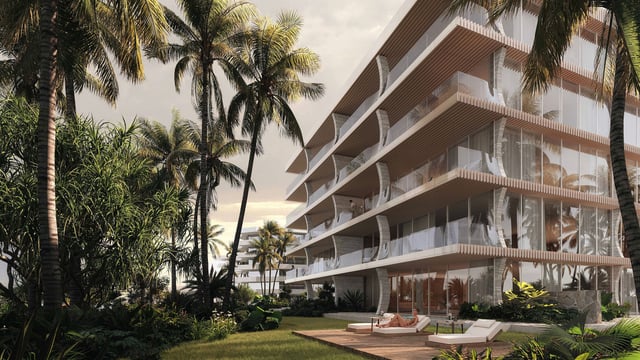
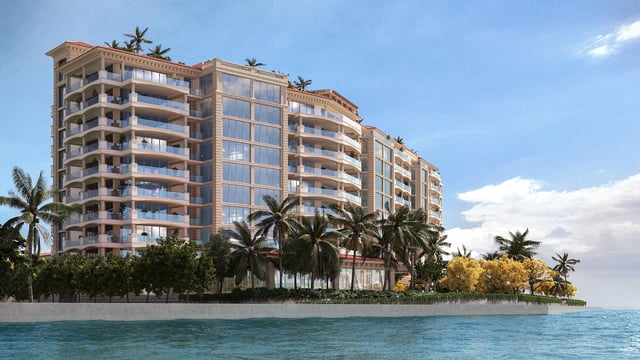
Residences such as 57 Ocean Miami Beach and The Perigon Miami Beach illustrate why many buyers begin their search on the sand. The attraction is not only the view. It is the ability to make dining feel private, composed, and anchored to the water. In the Miami Beach market, the strongest fit is usually for owners who entertain selectively and want culinary service to feel like an extension of the home rather than a public-facing amenity.
The tradeoff is logistical. Depending on the exact location, chef access, late-night sourcing, and staff parking may require more planning than in the urban core. That is not a flaw. It simply means the buyer should value choreography as much as convenience.
Bayfront: The Entertainer’s Middle Ground
Bayfront living often appeals to buyers who want water, but not necessarily the full resort tempo of the beach. The bay can feel calmer, more residential, and more versatile. It can also create a natural entertaining canvas: sunset dinners, boat-day lunches, family celebrations, and quieter weekday meals with a water view that changes by the hour.
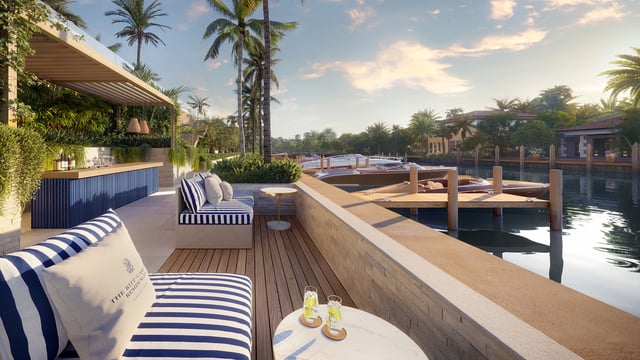
For private-chef access, the bayfront question is about balance. Is the residence close enough to city suppliers and hospitality talent while still feeling removed? Does the building make arrivals easy for staff and guests? Are there layouts that separate prep, service, dining, and lounging without turning the home into a formal hotel suite? If the household uses a marina, boat slip, or water-based itinerary, can food and beverage service coordinate cleanly with those plans?
Bay Harbor Islands offers an instructive lens. A residence such as Onda Bay Harbor speaks to buyers who want a quieter island mood while staying connected to Miami’s dining and cultural orbit. The private-chef advantage is flexibility: a home can host family dinner one night and a polished terrace evening the next, without the intensity of a high-rise urban lobby or the exposure of a beachfront resort environment.
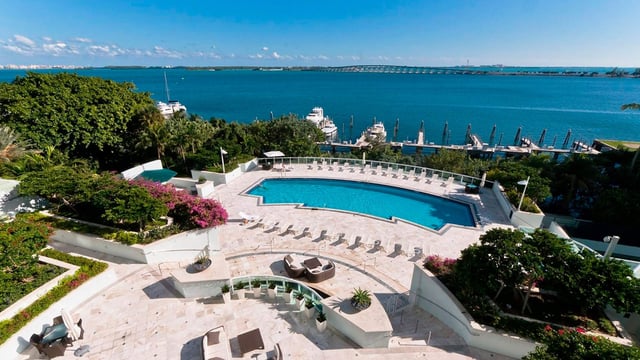
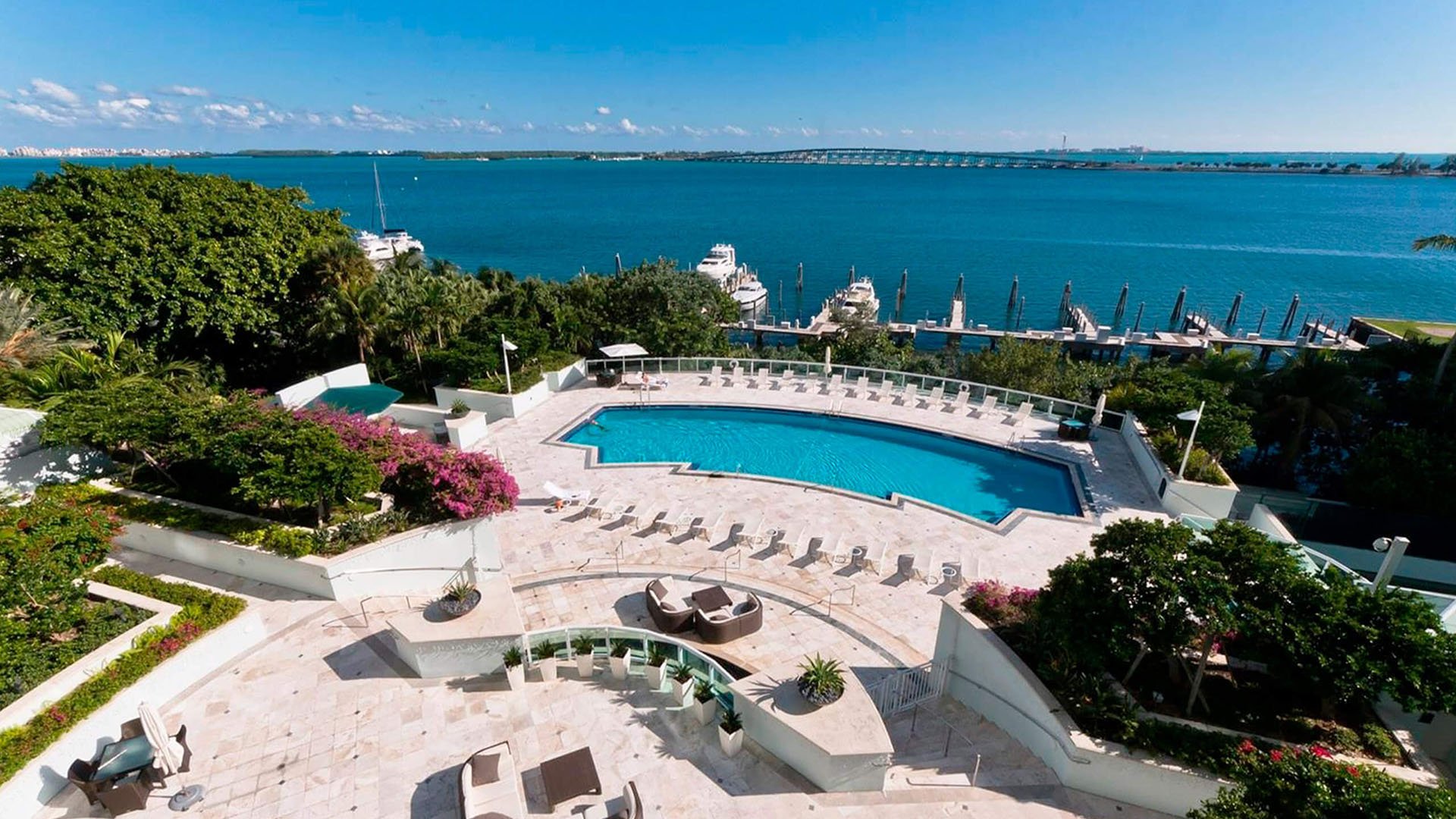
Bayfront buyers should be precise about outdoor dining. A beautiful terrace is not automatically a serviceable one. Ask about shade, wind patterns, furniture clearances, outlet placement, and the distance from kitchen to table. Also consider whether the pool deck or common spaces create energy that complements your lifestyle or competes with the privacy of in-residence dining.
City Living: Chef Networks, Speed, and Social Momentum
City living, especially in Brickell and downtown Miami, changes the equation. The primary advantage is access. Private chefs, sommeliers, specialty ingredients, last-minute service staff, and restaurant-level culinary talent may be easier to coordinate in dense urban districts. For buyers who dine spontaneously, host business guests, or blend private meals with the city’s restaurant scene, the address can work beautifully.
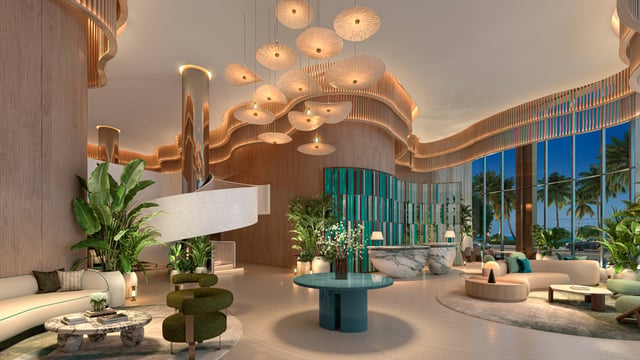
In Brickell, the culinary lifestyle is often less about retreat and more about options. A buyer might host a chef-prepared dinner before a performance, welcome clients for a restrained tasting menu, or keep a residence staffed for weekday wellness meals. Buildings such as Cipriani Residences Brickell and Una Residences Brickell sit within a neighborhood where private dining, restaurant culture, and service infrastructure can intersect naturally.
The due diligence is different from the waterfront search. In a tower, ask how deliveries are managed, whether staff can access service elevators efficiently, how loading areas work during peak hours, and whether building rules support recurring chef visits. Also consider sound. An open kitchen may look cinematic, but if the owner hosts formal dinners, separation between prep noise and the dining table can be essential.
City living is especially compelling for owners who want culinary support without maintaining a resort-scale household. It suits residents who prize immediacy, social energy, and the ability to move from private dinner to the city within minutes.
Coconut Grove and the Residential Alternative
Not every buyer fits neatly into oceanfront, bayfront, or high-density city categories. Coconut Grove offers a more residential interpretation of access: leafy streets, village energy, and a quieter form of luxury. For households with children, pets, frequent guests, or a preference for long lunches over formal evenings, this environment can feel more natural.
A project such as Four Seasons Residences Coconut Grove is relevant to the private-chef conversation because Grove buyers often want hospitality polish without losing the feeling of a true neighborhood. Here, the key questions are about domestic ease. Can the kitchen handle daily cooking and entertaining? Is there space for a chef to work without displacing family life? Does the residence support groceries, flowers, wine storage, and service staff without turning every meal into an event?
For some buyers, this is the most elegant answer. The chef is not brought in only for spectacle. The chef becomes part of a refined household rhythm.
What to Inspect Before You Decide
The most revealing private-chef tour is practical. Stand where the chef will unload. Walk the route from elevator or garage to kitchen. Open pantry doors. Picture the terrace with guests, service trays, and dining chairs in place. Ask where staff wait, where coats go, where trash exits, and how the building handles simultaneous deliveries.
Then compare the emotional tone. Oceanfront favors ceremony and privacy. Bayfront favors flexibility and entertaining range. Brickell favors speed and access. Coconut Grove favors residential continuity. None is universally superior. The right choice is the one that makes your preferred dining life feel effortless.
Finally, think about frequency. If you use a chef twice a year, a showpiece kitchen and spectacular dining room may be enough. If you use one several times a week, operations become decisive. In that case, the best residence is not the one with the most dramatic kitchen. It is the one where the chef can disappear into the choreography, leaving only the meal, the view, and the company.
FAQs
-
Is oceanfront living best for private-chef entertaining? It can be ideal for privacy, atmosphere, and composed dinners, especially when the residence has strong service access and outdoor dining flow.
-
Is Brickell better for hiring private chefs quickly? Brickell can offer strong urban convenience because chefs, service staff, specialty purveyors, and restaurants are typically close to the residential core.
-
What should I inspect in a chef’s kitchen? Look beyond finishes and review ventilation, refrigeration, pantry space, prep surfaces, service paths, and separation from the dining area.
-
Does bayfront living offer a good compromise? Yes. Bayfront residences can combine water views, calmer residential energy, and relatively efficient access to Miami’s culinary ecosystem.
-
Are terraces important for private-chef service? Very. A terrace should have enough depth, shade, and circulation for seated guests, servers, and safe movement from the kitchen.
-
Should building rules be reviewed before buying? Yes. Recurring chef visits, deliveries, staff parking, service elevators, and event policies can all affect the day-to-day experience.
-
Is a show kitchen enough for serious entertaining? Not always. Serious entertaining often benefits from practical prep space, storage, cleanup zones, and discreet staff circulation.
-
How does a pool deck affect private dining? A pool deck can add resort energy, but buyers should consider whether shared activity supports or disrupts their preferred privacy.
-
What makes a marina relevant to chef access? A marina can influence boat-day catering, guest arrival patterns, and how food service connects to time on the water.
-
What is the simplest way to compare locations? Match the address to your dining frequency: oceanfront for ritual, bayfront for versatility, and city living for speed.
For a confidential assessment and a building-by-building shortlist, connect with MILLION.

Million Luxury
Million Luxury
Welcome to MILLION, an exclusive luxury real estate boutique nestled in the heart of South Florida’s most desirable locations. Specializing in high-end properties, we provide a sanctuary for discerning clients including top Fortune 500 executives, affluent families, celebrities, and professional athletes from across the globe. At MILLION, we understand the unique demands of our elite clientele and offer a seamless blend of confidentiality and personalized attention. Our commitment to privacy is unwavering; we ensure that every transaction and interaction is handled with the utmost discretion and according to stringent confidentiality protocols. Our concierge service embodies the pinnacle of white-glove care, offering tailored assistance that transcends traditional real estate support.