Onda Bay Harbor: The Buyer Test for Sunrise-Versus-Sunset Fit in 2026
Quick Summary
- Exposure is a structural purchase factor, not a decorative view choice
- Sunrise and sunset lines create different daily rhythms on Biscayne Bay
- Privacy, comfort, pricing, and resale should guide line selection
- The 2026 buyer test starts with lifestyle fit, then financial fit
The 2026 Test Is Not Just the View
At Onda Bay Harbor, the essential buyer question for 2026 is not simply whether the residence places water in the frame. It is whether the home should be tuned to a sunrise life or a sunset life. In a low-density, bayfront boutique condominium in Bay Harbor Islands, exposure becomes a structural purchase factor, shaping how the residence feels at breakfast, after school, during a quiet workday, and when guests arrive for dinner.
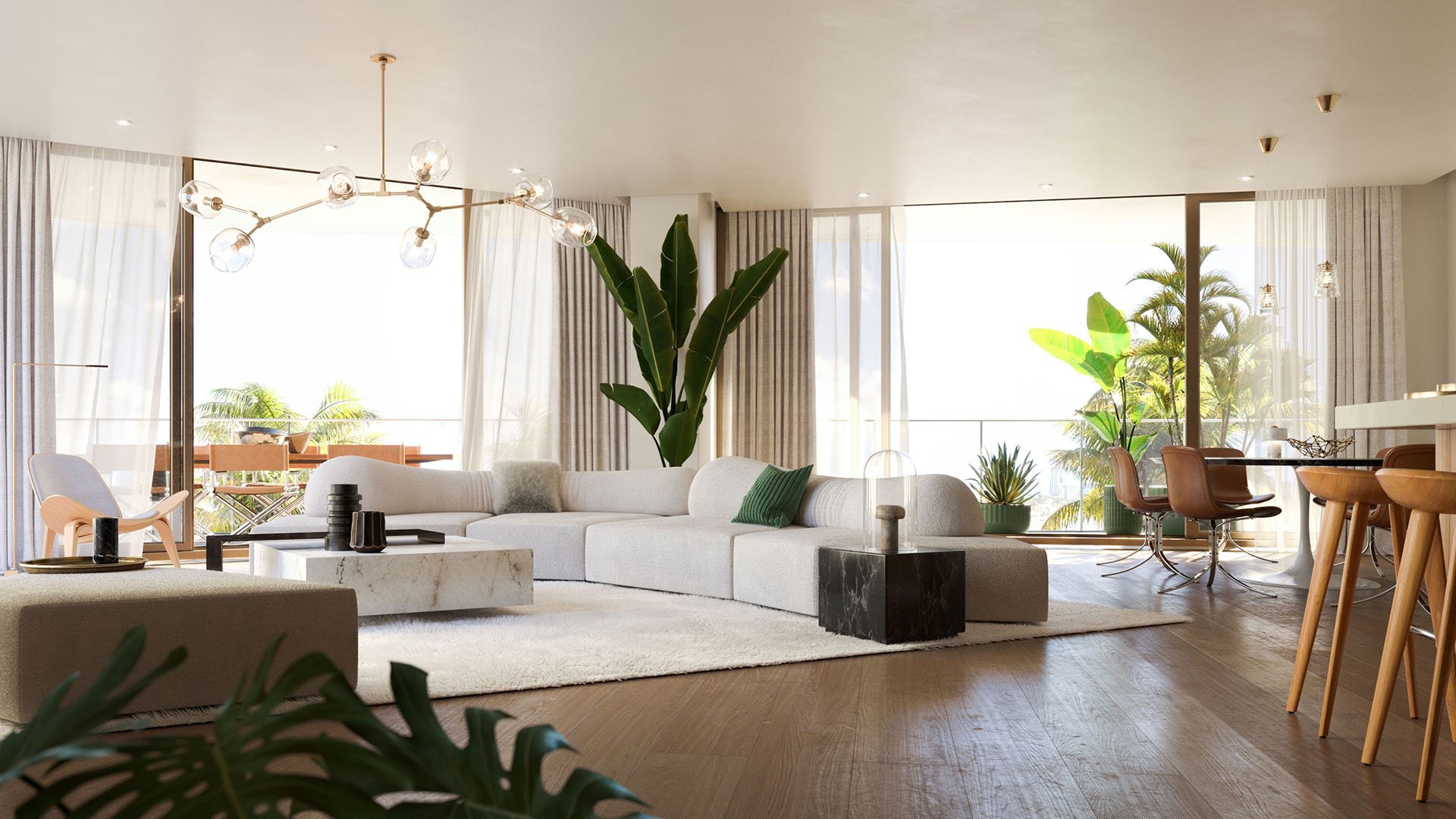
That distinction matters because Biscayne Bay does not behave like a static backdrop. Light moves through the home, glare appears and recedes, privacy shifts, terraces carry different temperatures, and the water reads differently by the hour. Two residences in the same building can therefore live like separate micro-worlds, even when they share the same address, lobby, and waterfront setting.
The strongest buyers will not treat orientation as a poetic preference. They will translate it into line, floor, and contract discipline before they commit.
Sunrise Buyers: Calm, Clarity, and Morning Ownership
A sunrise-oriented buyer is usually purchasing the first half of the day. The value is in morning light, a softer daily cadence, and the pleasure of having the residence feel awake before the city fully accelerates. For an owner who works from home, moves early, or treats the Bay Harbor Islands setting as a restorative base, this can be the more precise fit.
Sunrise exposure can also support a different kind of privacy. Morning use patterns tend to be quieter, and the home may feel more composed for reading, wellness rituals, and family routines. The water view is not only a scenic benefit; it becomes part of the day’s architecture. The buyer should ask how bedrooms, living areas, and terraces receive that light, and whether the floor-plate relationship to the water supports the way the household actually lives.
This is where Onda’s low-density bayfront character becomes relevant. In a boutique waterfront project, small differences in orientation can feel amplified. A buyer should not simply ask, “Which view is better?” The sharper question is, “Which exposure gives me the day I want to repeat?”
Sunset Buyers: Drama, Entertaining, and Evening Value
Sunset orientation appeals to a different ownership instinct. It is about the theater of late light, the emotional pull of golden hour, and the way a residence can become more compelling as the day closes. For buyers who entertain, arrive home later, or want the waterfront to perform during cocktails and dinner, sunset fit may carry the stronger lifestyle argument.
But sunset is not only romance. It can also raise practical questions around thermal comfort, shading, terrace usability, and the way interiors hold afternoon light. Those factors should be evaluated before the buyer becomes attached to a rendering, a visit at the wrong hour, or a generalized idea of “best view.” In 2026, sophistication means understanding that a glamorous exposure may also require more careful thinking about comfort.
Nearby luxury buyers will recognize this tension across the broader coastal map, from Bal Harbour and Surfside to Indian Creek’s private-residential context. At Rivage Bal Harbour and The Delmore Surfside, the same high-level truth applies: waterfront real estate is never just about having water. It is about how the home receives light, frames distance, and protects daily ease.
Why Bay Harbor Islands Makes Orientation More Personal
Bay Harbor Islands is small enough that orientation feels especially personal. The geography compresses lifestyle decisions into a more intimate setting, close to Bal Harbour, Surfside, and the Indian Creek sphere, yet distinct in its quieter waterfront scale. That small-scale geography is part of Onda Bay Harbor’s buyer-fit equation.
In a large resort-style tower, some buyers can be tempted to rely on amenity scale or brand presence as the main filter. At Onda, the more meaningful lens is how the residence lives day by day. A line facing one rhythm of light may serve a family differently from a line tuned to another. A floor that feels ideal for one privacy profile may not suit another buyer who prioritizes immediacy to the bay atmosphere.
This is why comparisons within Bay Harbor Islands should be thoughtful, not automatic. Alana Bay Harbor Islands, La Baia North Bay Harbor Islands, and Origin Bay Harbor Islands may all sit within the same broader luxury conversation, but the right buyer decision still comes down to how each residence handles exposure, privacy, and the daily waterfront mood.
The Financial Layer: Pricing, Liquidity, and Resale
The financial test begins after the lifestyle test, not before it. For high-net-worth buyers, the first question is fit: sunrise or sunset, quiet morning or evening drama, privacy or spectacle, cooler routine or more luminous entertaining. Only then should pricing and investment logic be layered onto the decision.
Exposure can influence pricing because buyers often assign emotional value to light and view. It can also influence resale liquidity because future buyers may have the same orientation preferences, or may be searching for a very different rhythm. The risk is not choosing sunrise or sunset. The risk is paying for one experience while actually needing the other.
A disciplined buyer should define the preferred exposure in writing before reviewing contracts. That means specifying the target line, acceptable floor range, must-have view corridors, privacy requirements, and any comfort concerns tied to afternoon or morning light. The more precise the brief, the less likely the buyer is to be persuaded by a residence that is visually impressive but personally misaligned.
The Buyer Checklist Before Committing
Before selecting a residence at Onda Bay Harbor, the buyer should treat the decision like a private design audit. What time does the household wake? When is the terrace most likely to be used? Are bedrooms meant to be bright in the morning, or should the primary suite feel more subdued? Is the living room a family retreat, a work setting, or an evening salon?
Then the buyer should connect those answers to the building. Which line offers the preferred light? Which floor supports the desired balance of water connection and privacy? How might the exposure affect comfort during peak use hours? Where does the residence sit within the broader Bay Harbor Islands, Bal Harbour, Surfside, and Indian Creek context?
The right answer is not universal. Sunrise and sunset are two valid luxury experiences inside one boutique bayfront project. The buyer who wins is the one who knows which experience belongs to them before the market begins to tell them what is desirable.
FAQs
-
What is the main buyer test at Onda Bay Harbor in 2026? The central test is whether a residence should be optimized for a sunrise lifestyle or a sunset lifestyle. That choice should guide line, floor, and contract decisions.
-
Why does exposure matter so much at Onda Bay Harbor? Onda’s Biscayne Bay setting makes orientation central to light, views, atmosphere, privacy, and comfort. It is a structural purchase factor, not just a design preference.
-
Who is best suited to a sunrise-oriented residence? Sunrise buyers often value calm mornings, early routines, softer light, and a composed waterfront mood. It can suit owners who use the home heavily in the first half of the day.
-
Who is best suited to a sunset-oriented residence? Sunset buyers often prioritize evening drama, entertaining, and the emotional pull of late-day light. They should also consider thermal comfort and terrace usability.
-
Can two residences in the same stack feel very different? Yes. Bayfront orientation can create distinct micro-worlds inside the same condominium, especially when light, privacy, and the water relationship differ by line or floor.
-
Should buyers decide on exposure before reviewing pricing? Lifestyle fit should come first, then financial fit. Pricing only becomes meaningful when the buyer knows which ownership experience they actually want.
-
How can exposure affect resale? Future liquidity may be influenced by how desirable a particular light, view, privacy, and comfort profile feels to the next buyer. A well-matched exposure can strengthen the ownership story.
-
Is Bay Harbor Islands part of the value equation? Yes. Its small-scale geography and relationship to Bal Harbour, Surfside, and Indian Creek help shape the buyer-fit analysis for Onda Bay Harbor.
-
What should a buyer clarify before choosing a line? The buyer should define preferred daily rhythm, terrace use, privacy needs, floor comfort, and the desired relationship to the water. Those answers should translate into a specific line and floor strategy.
-
Is sunrise or sunset better at Onda Bay Harbor? Neither is universally better. The better choice is the one that aligns with the owner’s daily life, comfort expectations, and long-term resale logic.
When you're ready to tour or underwrite the options, connect with MILLION.

Million Luxury
Million Luxury
Welcome to MILLION, an exclusive luxury real estate boutique nestled in the heart of South Florida’s most desirable locations. Specializing in high-end properties, we provide a sanctuary for discerning clients including top Fortune 500 executives, affluent families, celebrities, and professional athletes from across the globe. At MILLION, we understand the unique demands of our elite clientele and offer a seamless blend of confidentiality and personalized attention. Our commitment to privacy is unwavering; we ensure that every transaction and interaction is handled with the utmost discretion and according to stringent confidentiality protocols. Our concierge service embodies the pinnacle of white-glove care, offering tailored assistance that transcends traditional real estate support.