The Ritz-Carlton Residences® Pompano Beach: What Family Buyers Should Ask About Pool-to-Residence Convenience
Quick Summary
- Pool convenience is about circulation, elevators, service, and family rhythm
- Families should test real routes with towels, strollers, toys, and snacks
- Rules on guests, wet access, supervision, and storage deserve early review
- Residence stack and elevator proximity can matter as much as the view
Pool Convenience Is a Daily-Living Question
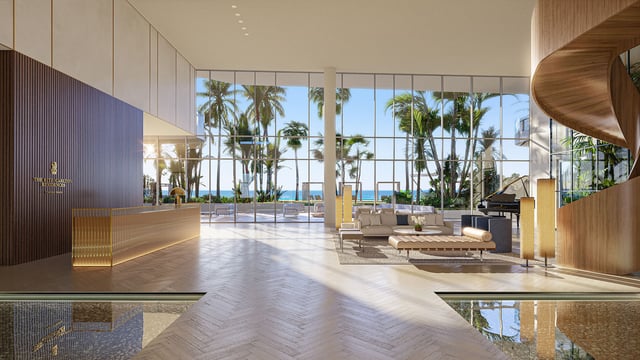
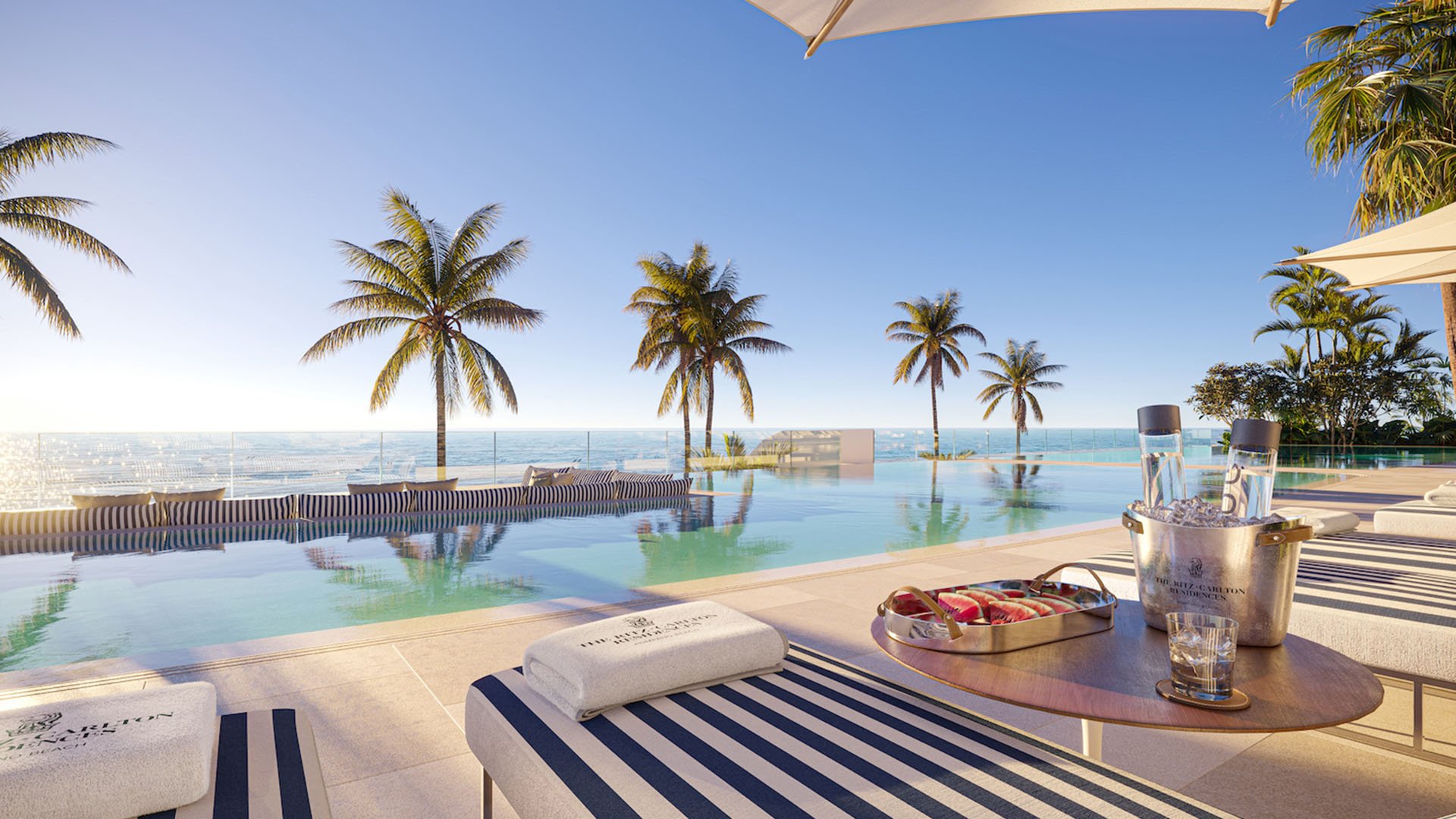
At the highest end of South Florida condominium living, even the most polished amenity deck is often measured by a surprisingly practical question: how easy is it to get from the pool back home? For family buyers considering The Ritz-Carlton Residences® Pompano Beach, pool-to-residence convenience should be treated as a core livability issue, considered alongside views, finishes, service, and brand.
That is especially true for households with toddlers, strollers, grandparents, wet towels, snacks, pool toys, sunscreen, and the inevitable midday return for a nap, a forgotten hat, or a quiet lunch in the residence. A resort-style setting may photograph beautifully, but daily family use depends on circulation: elevator access, corridor length, rules for wet residents, restroom placement, and the level of support available at the water’s edge.
For a Broward family evaluating a new project in an oceanfront or near-water context, the question is not simply whether the amenity exists. It is whether that amenity can be used comfortably, repeatedly, and without turning every pool visit into a small logistical operation.
Walk the Actual Route, Not the Rendering
The most important showing exercise is simple: walk the expected route from the residence to the pool as if it were a normal Saturday. Carry the tote bag. Bring the stroller if one will be used. Consider a grandparent moving at a slower pace, or a child who needs to return upstairs quickly. Over years of ownership, the difference between a direct elevator ride and a route with transfers, long corridors, lobby-level detours, or confusing turns can be meaningful.
Buyers should ask whether the preferred residence stack has a straightforward elevator path to the main pool areas. A higher-floor home with a spectacular view may still feel less convenient if the route to the pool is indirect. Conversely, a residence closer to the right elevator bank may become the more livable choice for a family that expects to use the pool daily.
The same analysis applies when comparing other Pompano Beach residential options, including Armani Casa Residences Pompano Beach and W Pompano Beach Hotel & Residences. The premium buyer’s question is not only what the pool looks like, but how the building carries a family to and from it.
Ask Which Water Amenity Fits Which Family Member
Families should clarify which pool or water amenity is most appropriate for children, and which areas are intended for quieter adult use. This affects not only daily routine, but also residence selection. If the most child-appropriate zone is easier from one tower, line, or elevation than another, that information can influence the better buy.
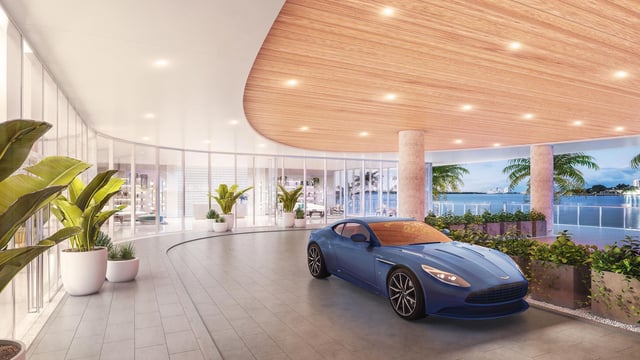
The question becomes more layered when different family members use different amenities at the same time. One person may be heading outside, another to a water-oriented amenity if available, another to the pool, and another back to the residence. Buyers should understand how pool access integrates with parking, lobby circulation, and any applicable waterfront programming so the building works as a whole.
Within the broader Pompano Beach luxury market, comparisons with Waldorf Astoria Residences Pompano Beach and Ocean 580 Pompano Beach can sharpen this analysis. Each building should be considered through the lens of how a family actually moves through it, not only through the lens of brand, architecture, or view corridor.
Service Can Reduce What Families Carry
In a branded residence, service and circulation are inseparable. Parents should ask how towels, chairs, umbrellas, food service, and pool support are handled. If towels are reliably available at the pool, if chairs are managed efficiently, and if food or beverage support is convenient, families may carry less back and forth. If not, the residence becomes the supply room.
Buyers should also ask how peak periods are managed. Weekends, holidays, school breaks, and guest-heavy periods can test even a graceful amenity plan. Chair availability, staff presence, guest volume, and service staffing all shape whether the pool feels serene or strained.
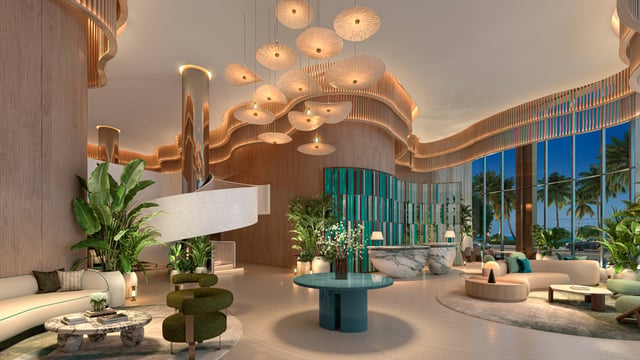
Another practical question is whether pool decks are supported by dedicated service elevators or back-of-house routes. If staff, supplies, residents, children, and wet towels all rely on the same circulation points, congestion may become part of the daily experience. The smoother the operational choreography, the more the residence can feel like a private resort rather than a crowded building with a pool.
Rules Matter Before the First Swim
Family buyers should review the association rules before assuming how the pool may be used. Pool hours, guest policies, food, toys, floats, noise, parties, and children’s supervision rules can all affect whether the amenity fits the household’s lifestyle. Buyers with young children should ask about fencing, controlled access, staff visibility, and whether family-friendly zones are separated from quieter areas.
For older children, the key issue is independence. Parents should ask what level of pool access is permitted without an adult, and whether the rules change by age. A family imagining responsible teenagers using the pool after school should confirm that the condominium documents and operating rules allow that pattern.
Wet access is another overlooked detail. Buyers should confirm whether children can return directly to residence elevators after swimming, or whether towel stations, changing areas, or prescribed routes are required. Nearby restrooms and changing rooms can reduce unnecessary trips back to the unit, especially with younger children.
Storage and Small Frictions Add Up
The most luxurious buildings are often judged by the smallest repeated frictions. Families should ask whether stroller parking, beach-cart storage, cabana storage, or owner storage is available near pool or outdoor-access areas. If every float, toy, towel, and snack must be carried from the residence each time, the pool may feel less spontaneous than expected.
These details also shape residence value for a specific buyer. A couple purchasing primarily for winter entertaining may prioritize view and terrace scale. A family intending to use the pool four days a week may place greater value on elevator proximity, storage, and a direct amenity path. Neither approach is wrong, but the better purchase is the one aligned with real use.
Counsel should review condominium documents for pool-use rights, rule-change authority, guest privileges, and association control over amenity operations. In luxury real estate, the visible amenity is only part of the asset. The rules that govern it are part of the ownership experience.
FAQs
-
Why does pool-to-residence convenience matter for family buyers? Families often make repeated trips between the pool and residence with towels, strollers, toys, snacks, and children who may need breaks.
-
Should buyers test the route during a showing? Yes. Walk the actual path from the residence to the pool with the items your family would typically carry.
-
Is a higher floor always better for families? Not always. A high-view residence can feel less convenient if the elevator path to the pool is indirect or time-consuming.
-
What should parents ask about pool service? Ask how towels, chairs, umbrellas, food service, and pool support are handled, especially during busy periods.
-
Do pool rules affect daily livability? Yes. Hours, guests, toys, floats, food, noise, parties, and supervision rules can change how useful the pool is for a family.
-
What should buyers ask about wet children returning upstairs? Confirm whether wet residents may use residence elevators directly or must follow towel, changing, or circulation rules.
-
Are restroom and changing-room locations important? Very. Convenient restrooms and changing areas can prevent repeated trips back to the residence.
-
Should older children’s independent access be reviewed? Yes. Families should confirm whether children may use the pool independently and whether age-based supervision rules apply.
-
Can storage near the pool improve convenience? Yes. Stroller parking, beach-cart storage, cabana storage, or owner storage can reduce daily carrying and clutter.
-
What is the best way to shortlist comparable options for touring? Start with location fit, delivery status, and daily lifestyle priorities, then compare stacks and elevations to validate views and privacy.
For a confidential assessment and a building-by-building shortlist, connect with MILLION.

Million Luxury
Million Luxury
Welcome to MILLION, an exclusive luxury real estate boutique nestled in the heart of South Florida’s most desirable locations. Specializing in high-end properties, we provide a sanctuary for discerning clients including top Fortune 500 executives, affluent families, celebrities, and professional athletes from across the globe. At MILLION, we understand the unique demands of our elite clientele and offer a seamless blend of confidentiality and personalized attention. Our commitment to privacy is unwavering; we ensure that every transaction and interaction is handled with the utmost discretion and according to stringent confidentiality protocols. Our concierge service embodies the pinnacle of white-glove care, offering tailored assistance that transcends traditional real estate support.