The Surf Club Four Seasons Surfside vs Viceroy Brickell: The Practical Buyer Question Behind Quiet Luxury, Building Culture, and Concierge Depth
Quick Summary
- Surf Club favors beachfront privacy, heritage, and Four Seasons service
- Brickell frames a denser city rhythm for buyers who want urban access
- The real choice is ownership culture, not a simple amenity comparison
- Concierge depth matters most when daily friction must disappear
The buyer question is cultural, not cosmetic
The comparison between The Surf Club Four Seasons Surfside and Viceroy Brickell is often framed as a choice between two expressions of luxury. That framing is useful, but only to a point. The practical question is not which name feels more glamorous. It is whether ownership should feel like a discreet beachfront retreat or a more urban, vertical expression of Miami life.
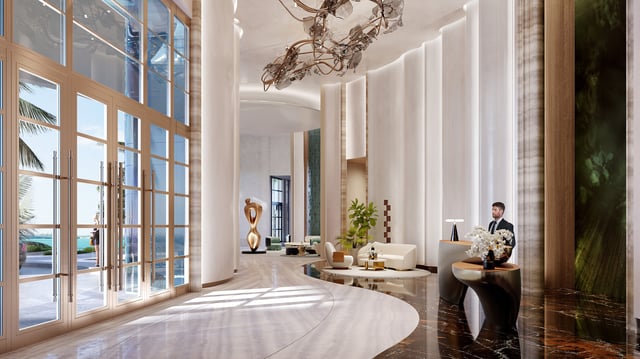
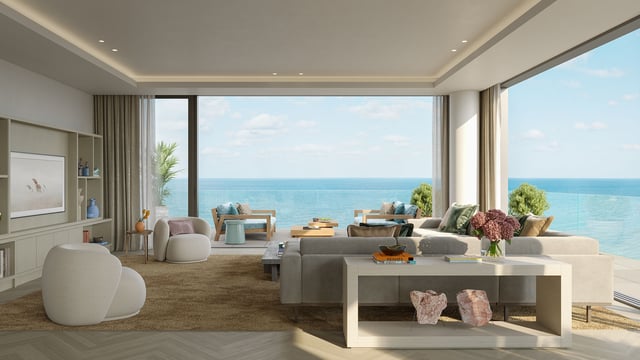
At The Surf Club, the value proposition is rooted in Surfside, the oceanfront setting, and the Four Seasons association that defines the property’s service identity. It is a heritage-led residential and hospitality environment tied to the Surf Club name, with a private-club sensibility and a clear emphasis on calm, privacy, and established luxury-service infrastructure.
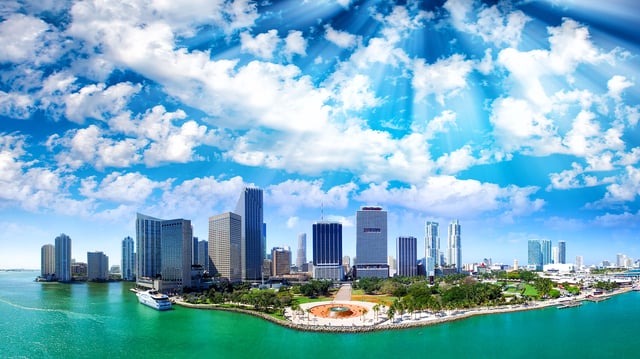
Viceroy Brickell enters the conversation from a different angle. The name places the buyer in Brickell, a district associated with density, business energy, dining, and a more city-facing ownership rhythm. Without leaning on unsupported particulars, the essential distinction is clear for a serious purchaser: Surfside is about retreat, while Brickell is about proximity.
Surfside privacy versus Brickell rhythm
Surfside has a rare quality in Miami luxury: it allows an owner to remain near the city without living in the city’s most accelerated register. The Surf Club Four Seasons Surfside benefits directly from that geography. Its beachfront setting creates a daily experience that is less about arrival drama and more about the removal of friction. The buyer is not merely purchasing a residence near the water. The buyer is entering a pattern of days shaped by privacy, service, and the ocean as the constant reference point.
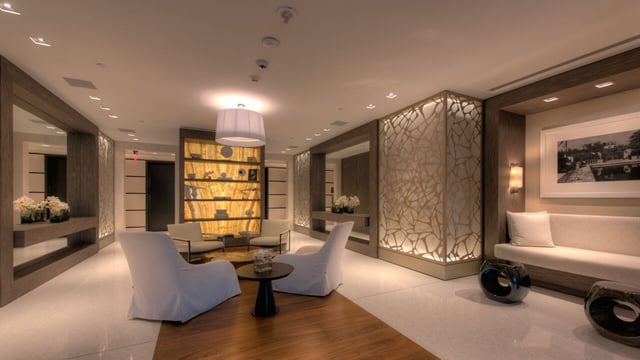
That matters because quiet luxury is not simply a design mood. In residential real estate, it is operational. It appears in how guests arrive, how residents move through the property, how staff anticipate needs, and whether the building culture feels composed rather than performative. The Surf Club’s Four Seasons identity is central to that proposition, giving buyers a clear expectation of service depth and hospitality discipline.
Brickell answers a different desire. For some buyers, the appeal is precisely the density that Surfside avoids. A Brickell residence can make sense for an owner who wants proximity to the city’s professional and social currents, and who prefers a skyline setting to a beachfront one. In that context, projects such as St. Regis® Residences Brickell and The Residences at 1428 Brickell often sit in the same mental map for buyers weighing prestige, address, and a more urban form of branded residential life.
Concierge depth is the real luxury test
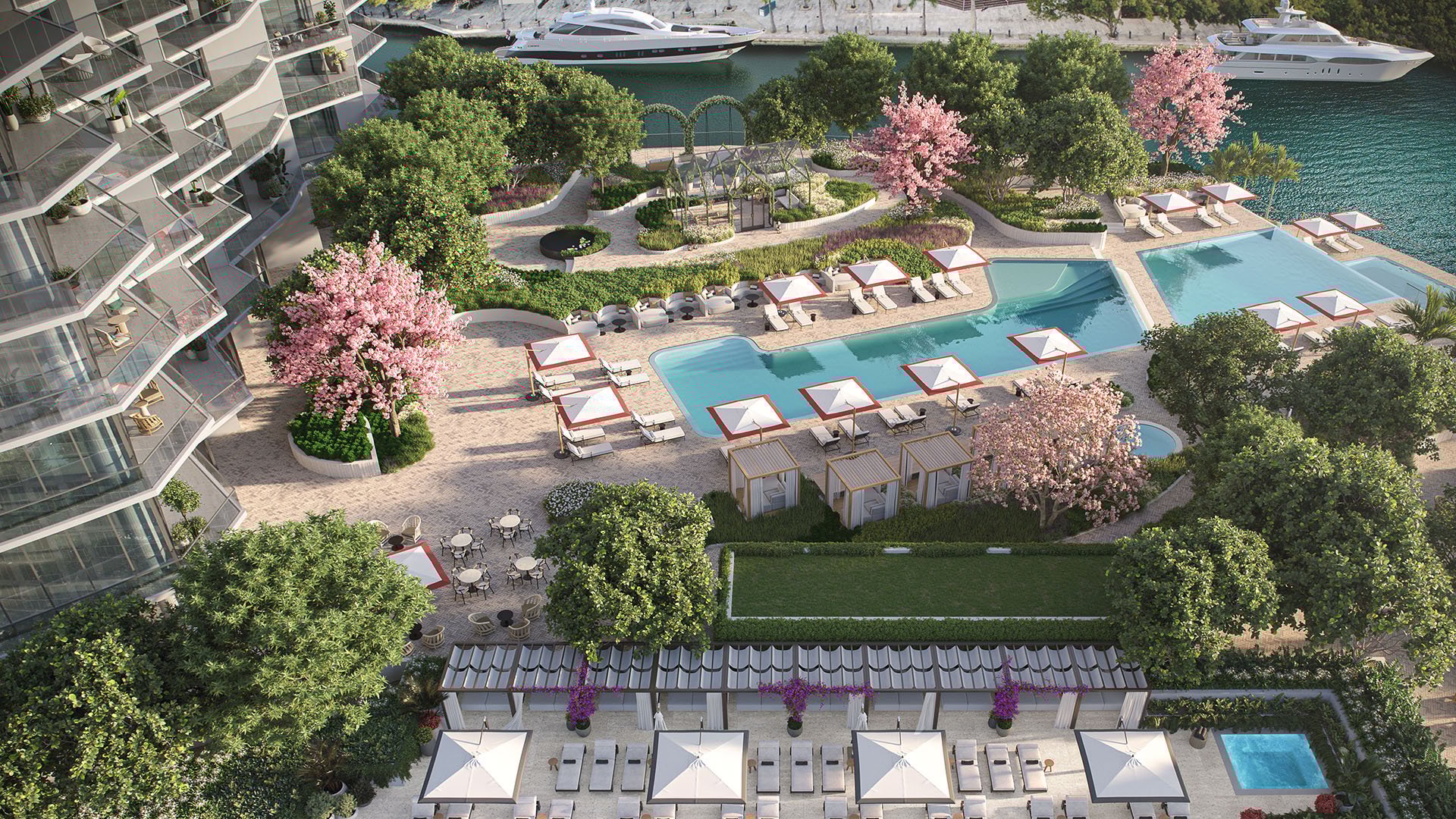
For ultra-premium buyers, concierge depth is rarely about a brochure list. It is about whether ownership feels effortless after the novelty has passed. The Surf Club’s appeal is strongest for buyers who value a service-heavy, resort-like environment where beachfront access, discretion, and hospitality infrastructure form the backbone of daily life.
This is where the practical question becomes sharper. A buyer who spends significant time in residence may care less about the quantity of amenities and more about the consistency of service. Can the property absorb the small demands of life? Can it protect privacy without feeling cold? Can it feel socially alive without becoming loud? The Surf Club’s private-club sensibility matters because it suggests a culture where luxury is recognized by restraint rather than spectacle.
That does not make the Brickell option lesser. It makes it different. Brickell ownership can be compelling for buyers who want a metropolitan base, a closer relationship to the business core, and a more kinetic surrounding environment. For those buyers, the practical test is whether the building’s rhythm aligns with how they actually live: frequent dinners, office adjacency, weekday convenience, and a preference for city energy over resort calm.
The branded-residence lens
South Florida buyers have become increasingly fluent in branded residences, but fluency can also create confusion. Not every brand solves the same problem. Four Seasons, in the context of The Surf Club, supports a hospitality-led interpretation of beachfront ownership. The question is not just whether the residence is branded, but what the brand is being asked to deliver.
In Surfside, that answer is service continuity, discretion, and the feeling of a resort culture woven into private ownership. In Brickell, the buyer may evaluate brand through a more urban filter: prestige, convenience, skyline identity, and the ability to use the residence as a sophisticated city platform. The same buyer could admire both, yet only one may suit the way that buyer wants to live most of the year.
This is why comparisons with other branded or high-design residences should be handled carefully. Four Seasons Residences Coconut Grove may appeal to someone drawn to service language in a different neighborhood context, while Brickell offerings may appeal to someone placing urban access above beachfront withdrawal. The point is not to rank every brand against another. It is to ask what type of daily life the brand supports.
A practical framework for deciding
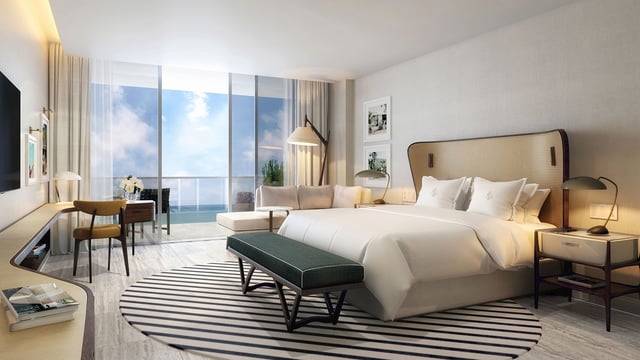
Start with the calendar. If the residence will be used as a true second home, with long stays, family visits, and a premium placed on arrival calm, The Surf Club Four Seasons Surfside has a natural logic. Beachfront access and a composed ownership culture become more valuable when the property is not just a place to sleep, but a place to decompress.
Then consider the buyer’s tolerance for visibility. Surfside, especially in a heritage-oriented beachfront setting, speaks to owners who do not need the city to announce their arrival. Brickell may better suit the buyer who wants the city outside the door and does not mind the pace that comes with it.
Finally, study service as a lived condition. Concierge depth should not be evaluated only by what can be requested, but by how quietly the property makes those requests disappear. At the top end of the market, the best service often feels almost invisible. That is the quiet-luxury argument behind The Surf Club, and it is why the comparison with Viceroy Brickell should be treated first as a lifestyle decision, and only then as a feature comparison.
FAQs
-
Is The Surf Club Four Seasons Surfside a beachfront quiet-luxury choice? Yes. Its Surfside setting, Four Seasons association, and heritage-led identity support a quiet, service-oriented beachfront ownership profile.
-
Is Viceroy Brickell better for buyers who want urban energy? It may be a better fit for buyers prioritizing Brickell’s denser city rhythm, but specific building details should be evaluated directly before purchase.
-
What is the biggest difference between Surfside and Brickell? Surfside emphasizes beachfront privacy and resort calm, while Brickell generally offers a more urban, vertical lifestyle close to the business core.
-
Does concierge depth matter more than amenity count? For many ultra-premium buyers, yes. The more important test is how consistently a property removes daily friction.
-
Why does the Four Seasons association matter at The Surf Club? It is central to the property’s service proposition and helps define expectations around hospitality, discretion, and operational polish.
-
Is The Surf Club Four Seasons Surfside suitable as a second home? It can be especially logical for a second-home buyer who values beachfront access, privacy, and a calm residential culture.
-
How should buyers think about building culture? Building culture is the lived atmosphere of a property, including privacy, pace, service tone, and the way residents use shared spaces.
-
Are Brickell branded residences part of the same buyer conversation? Yes. Brickell options can be relevant for buyers comparing branded prestige, city access, and a more metropolitan ownership pattern.
-
Does oceanfront ownership change the decision? Oceanfront living can materially change the daily experience, especially for buyers who prioritize views, calm, and direct proximity to the beach.
-
Is beach access a practical luxury feature? Yes. Beach access is practical when it supports everyday ease, privacy, and a more restorative pattern of ownership.
For a discreet conversation and a curated building-by-building shortlist, connect with MILLION.

Million Luxury
Million Luxury
Welcome to MILLION, an exclusive luxury real estate boutique nestled in the heart of South Florida’s most desirable locations. Specializing in high-end properties, we provide a sanctuary for discerning clients including top Fortune 500 executives, affluent families, celebrities, and professional athletes from across the globe. At MILLION, we understand the unique demands of our elite clientele and offer a seamless blend of confidentiality and personalized attention. Our commitment to privacy is unwavering; we ensure that every transaction and interaction is handled with the utmost discretion and according to stringent confidentiality protocols. Our concierge service embodies the pinnacle of white-glove care, offering tailored assistance that transcends traditional real estate support.