
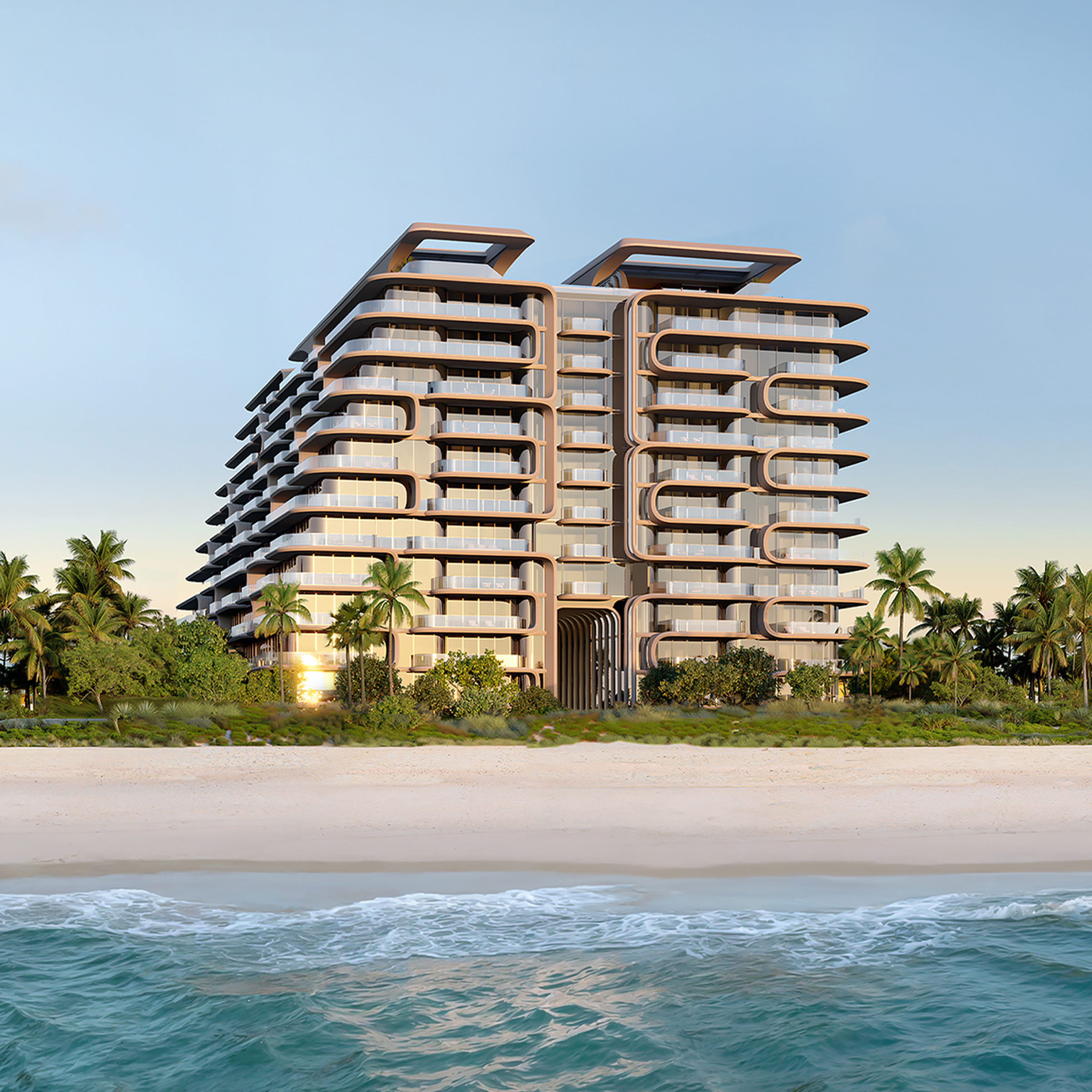
Starting At$15,000,000
AreaSurfside
Completion Date2029

The residences we know best — studied floor by floor, so we can guide you to the one that is right for you.

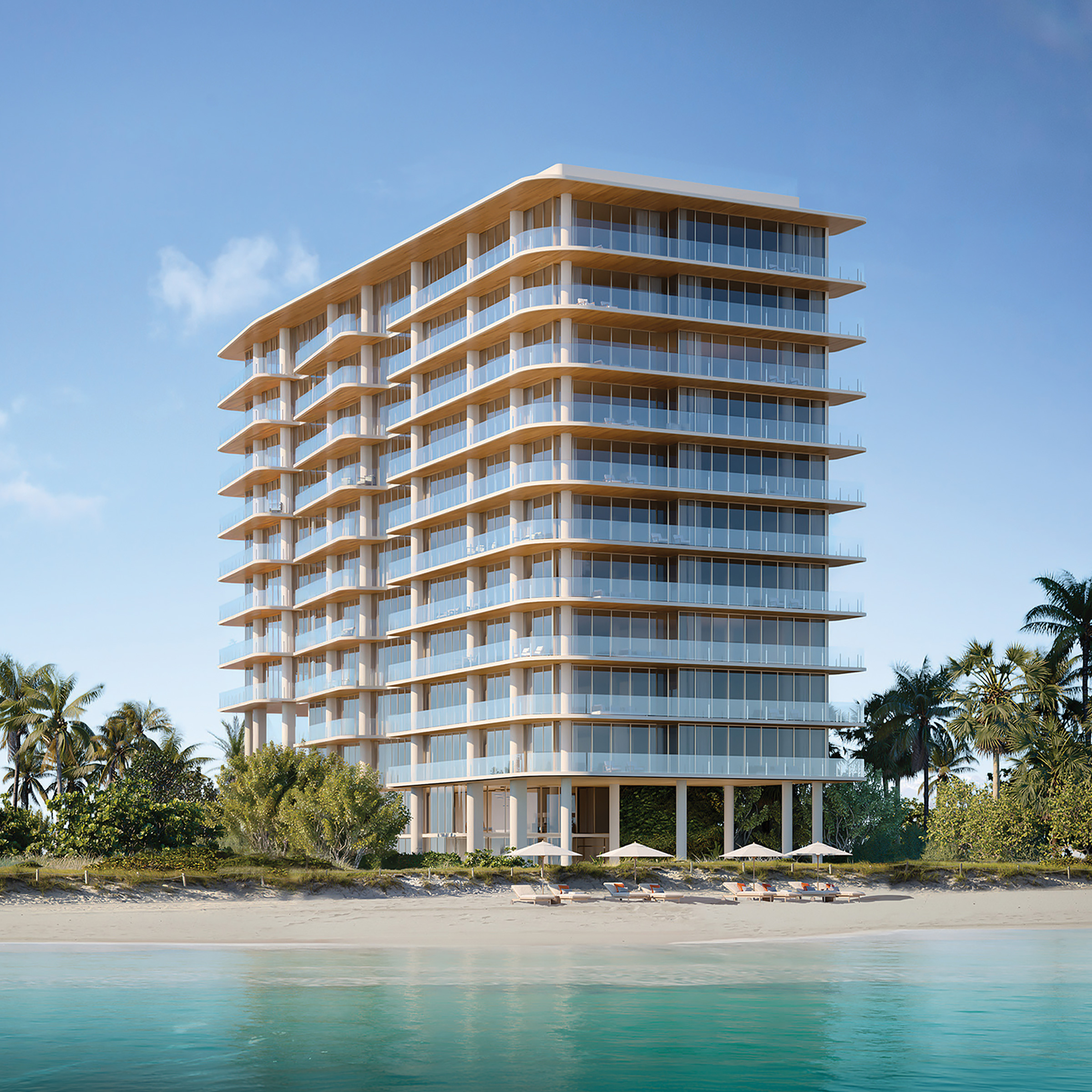

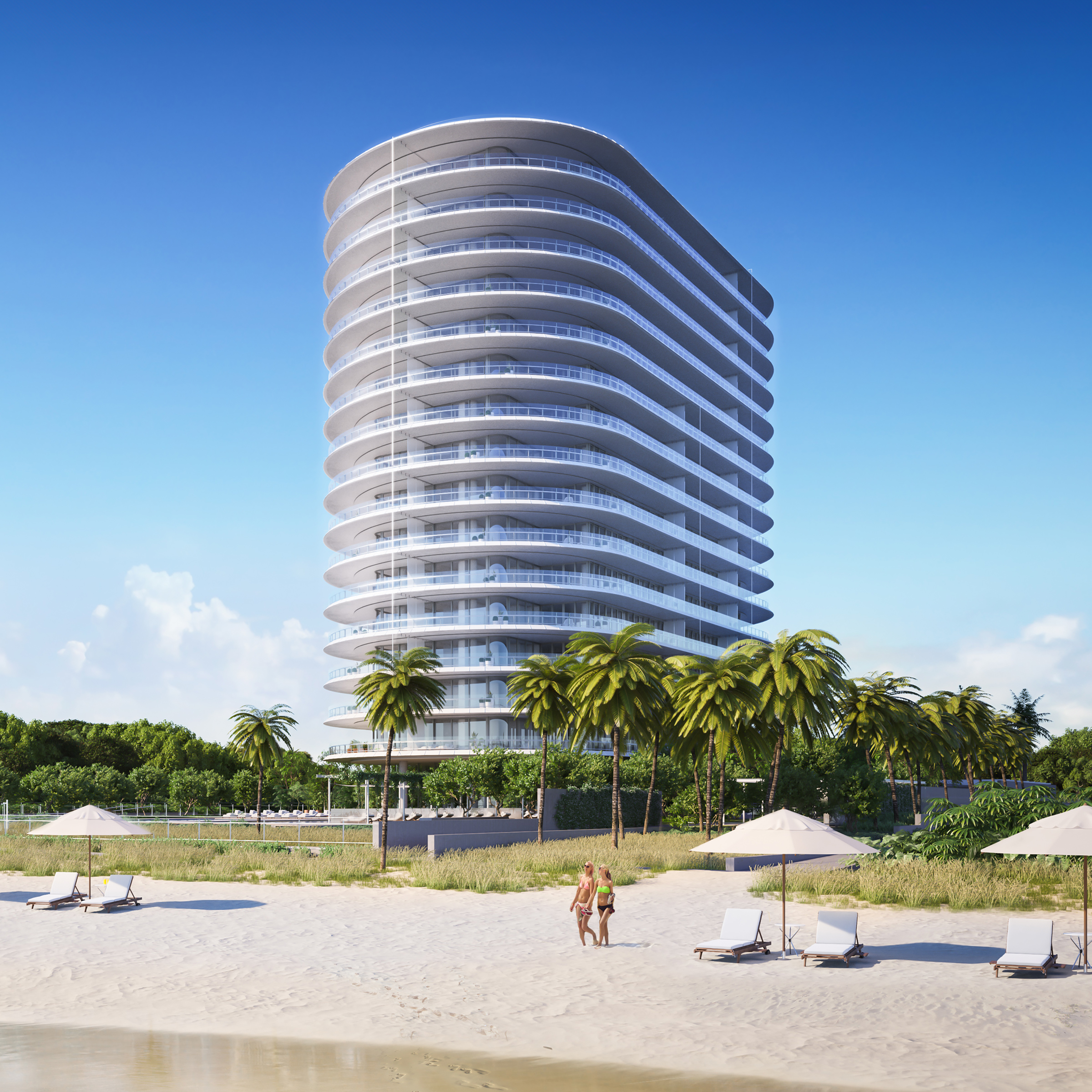

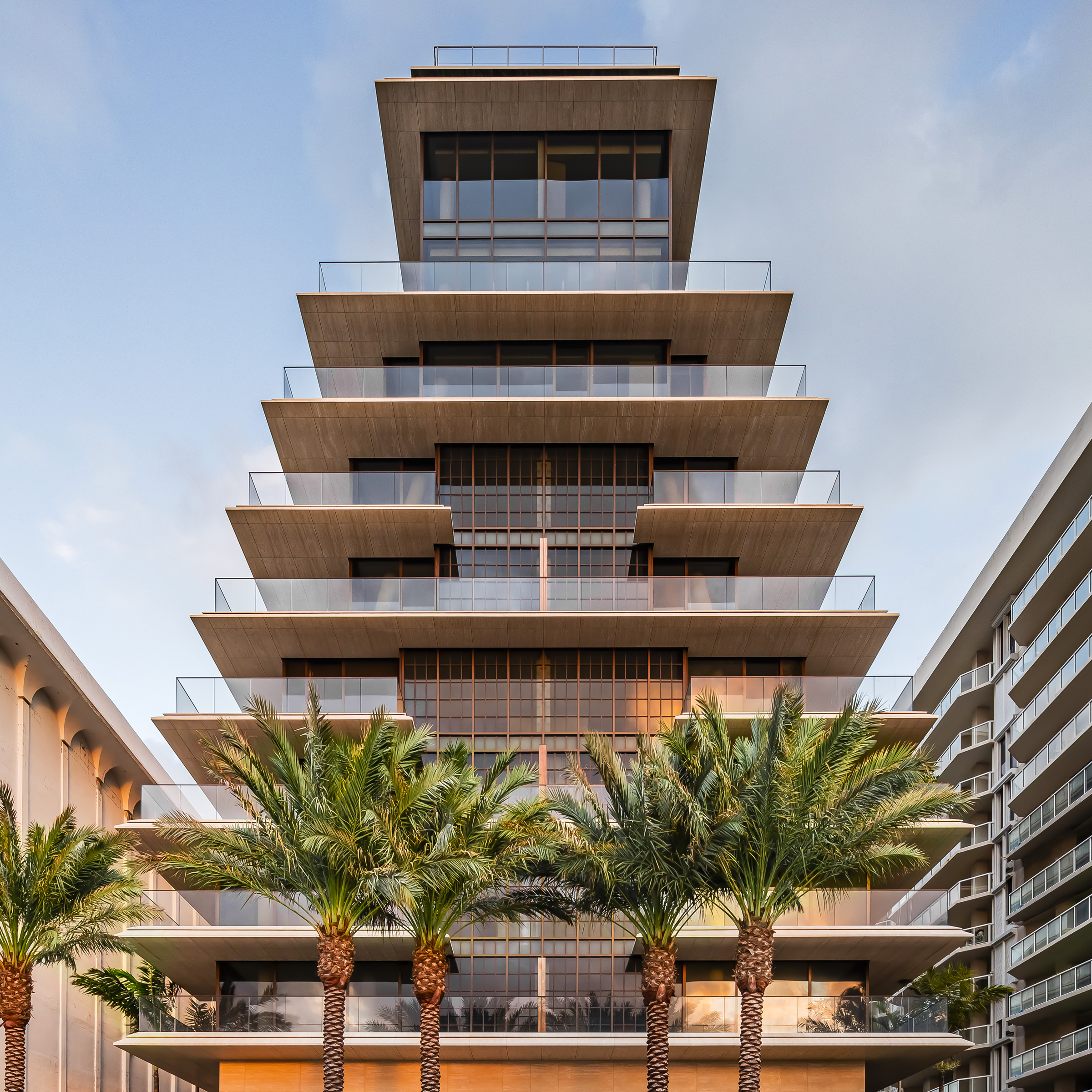

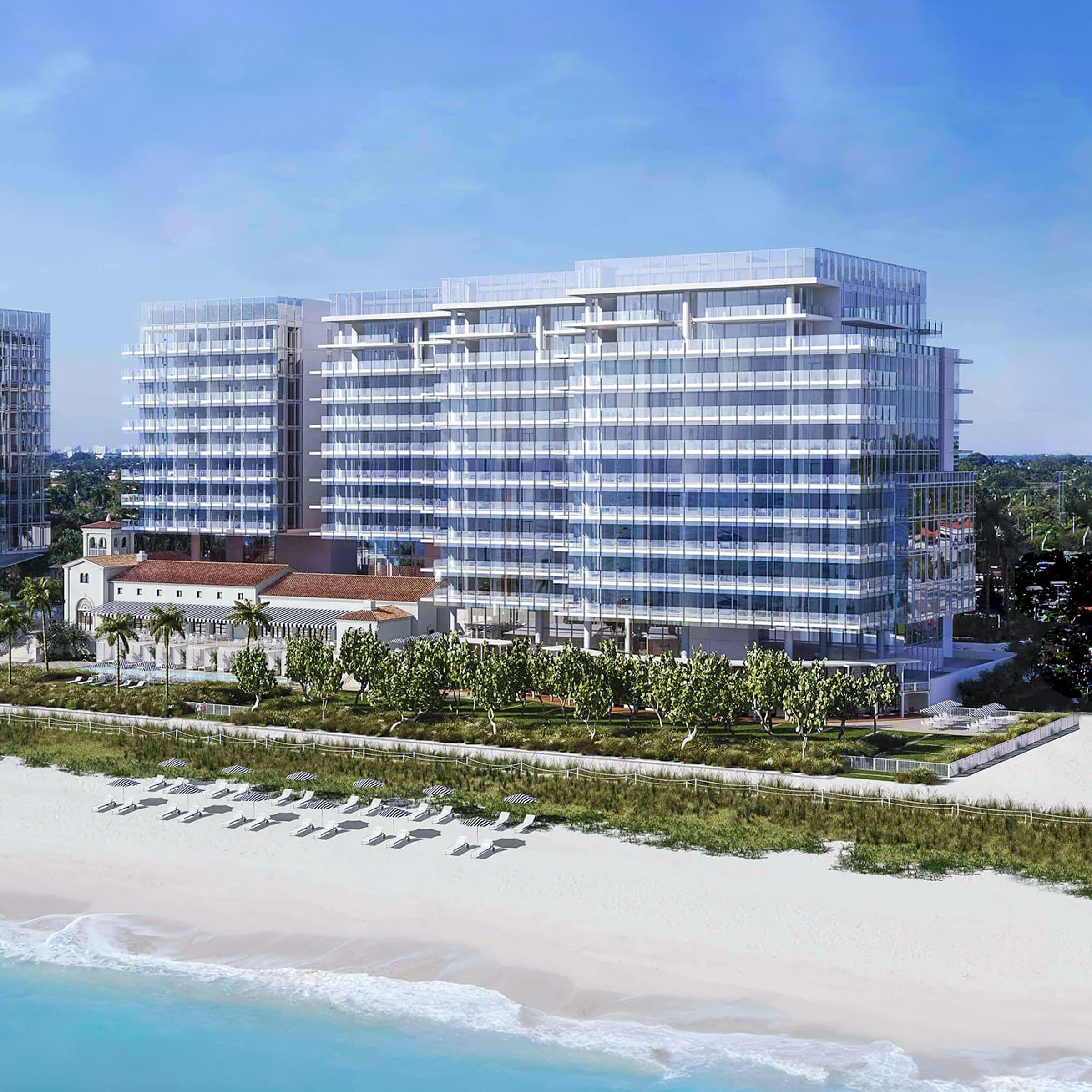

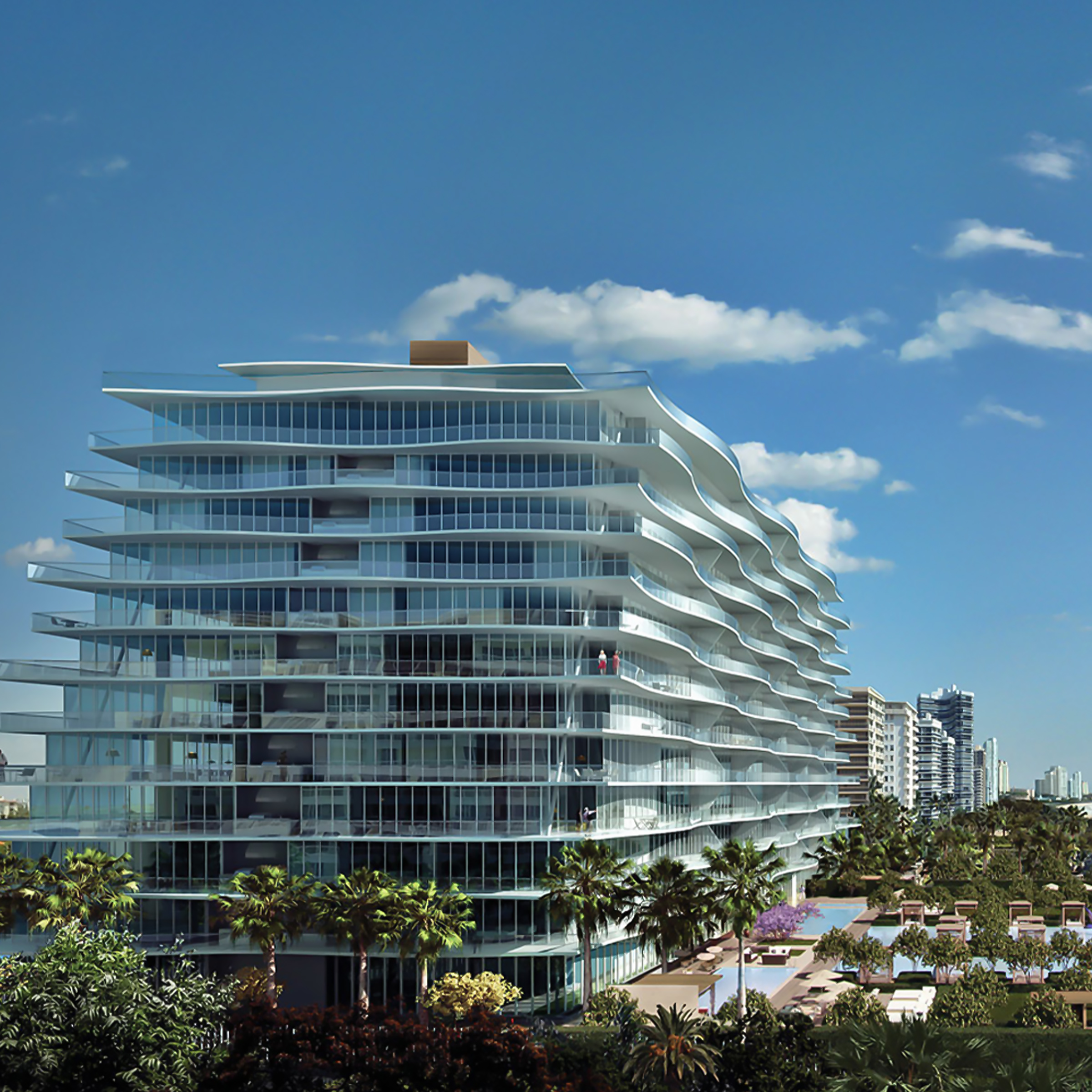
Surfside is a compact, oceanfront town in Miami-Dade County, positioned between Bal Harbour and North Beach along the Collins Avenue corridor. Its appeal is a discreet beachfront cadence anchored by the Surfside Beachwalk and the walkable Harding Avenue strip. Inventory leans toward full-service condo living on the Atlantic edge, balanced by quieter residential streets west of Collins Avenue. Decisions here often turn on building governance, maintenance discipline in salt air, and access patterns to the Julia Tuttle Causeway and Miami’s Design District.
Answers follow the area selected in the filters above.
Surfside in Miami-Dade County reads as quiet beachfront living with a walkable core along Harding Avenue and an easy rhythm around the Surfside Beachwalk. The feel is residential and discreet, especially compared with the energy of South Beach and the Design District. Decision-useful signals often come from building operations, including lobby staffing patterns, delivery protocols, and how consistently common areas are maintained along Collins Avenue.
Surfside and Bal Harbour share the same narrow barrier-island geography in Miami-Dade County, but Bal Harbour centers more heavily on ultra-polished retail and resort adjacency around Bal Harbour Shops. Surfside tends to present a more neighborhood cadence, with smaller streets west of Collins Avenue and a compact commercial strip on Harding Avenue. Governance differences matter, since condo boards along Collins Avenue can be more rules-forward than the smaller-town feel suggests.
The streets west of Collins Avenue, closer to the residential grid and away from hotel frontage, often read calmer than the oceanfront line. North of the town center toward the Bal Harbour line can also feel more insulated on foot. Privacy outcomes are usually driven by access control, including gated parking, visitor screening, and how the lobby is positioned along Collins Avenue.
Car-light living is workable, since Harding Avenue covers daily basics and the Surfside Beachwalk connects south toward North Beach and north toward Bal Harbour. For broader dining and culture, the Design District and Wynwood typically still require a ride. A decision point is parking logistics, since some Collins Avenue buildings have tighter guest parking and stricter valet policies.
Surfside routes commonly run via Collins Avenue to the Julia Tuttle Causeway or the 79th Street Causeway, depending on destination and time of day. Downtown Miami and Brickell can be straightforward off-peak, while peak periods can compress movement along the barrier-island corridor. Buyers often evaluate how a specific building handles resident drop-off and security queuing on Collins Avenue.
Surfside sits within practical reach of Miami International Airport, with Opa-locka Executive Airport often used for private aviation on the north side of the metro. Movement typically funnels through the causeways and major arteries like I-95, so timing can be as important as distance. Discreet arrivals tend to pair well with buildings that offer controlled back-of-house access and screened valet operations along Collins Avenue.
Surfside’s defining waterfront is the open Atlantic, which can translate into higher exposure to wind-driven salt and humid air along the Collins Avenue oceanfront line. Exterior maintenance discipline becomes a practical decision factor, including balcony condition, window systems, and how routinely the building addresses corrosion. For buyers who value calmer water, nearby Indian Creek and Biscayne Bay zones exist, but Surfside itself is primarily oceanfront rather than bayfront.
Surfside is not known as a dockage-first market in the way that Sunset Islands or Venetian Islands are, since the town’s premium address logic is oceanfront along Collins Avenue. Boating households often look to marinas and yacht services around Miami Beach or to protected-water neighborhoods near Biscayne Bay. The decision-useful local reality is that ocean proximity is the headline, while boat storage and slip strategy usually sit outside Surfside.
Along the Collins Avenue corridor in Surfside, inspections often focus on balcony and facade condition, water intrusion management, and mechanical systems that work hard in salt air. Elevator reliability, generator planning, and fire-life-safety components also tend to be closely watched by boards and insurers across Miami-Dade County. Building records and reserve posture can matter as much as the unit interior, particularly in older oceanfront towers near Bal Harbour.
Surfside boards along Collins Avenue commonly emphasize building operations, contractor control, and consistent rule enforcement due to shared amenities and high-traffic lobbies. Compared with some Miami Beach neighborhoods, the tone can feel more residential and less transient, but still formal. Signals of a well-run board include clear renovation procedures, disciplined reserve planning, and a manager who can explain delivery and security protocols tied to the beach corridor.
Surfside tends to skew toward longer-term residential use, especially compared with South Beach, and many Collins Avenue condominiums maintain stricter rental rules. The practical risk is mismatch between lifestyle expectations and a building’s rental posture, which is set by governance documents rather than the town’s vibe. A quick read on fit often comes from lobby traffic patterns and posted policies near the entrance off Collins Avenue.
Harding Avenue is the main concentration for everyday dining, cafes, and convenience retail, while Bal Harbour Shops provides luxury retail immediately to the north. More destination-driven dining often sits south in North Beach or deeper into Miami’s Design District. Decision-useful details include walk-time from a specific building to Harding Avenue and how easy it is to cross Collins Avenue safely at preferred hours.
The Surfside Beachwalk creates an easy, linear lifestyle node, linking morning workouts, casual meetings, and low-friction beach access without constant car use. It also acts as a social spine between Surfside and adjacent Bal Harbour, with different levels of foot traffic depending on season. Buyers often evaluate how a building manages beach return flow, including towel and rinse areas, side entrances, and package handling off Collins Avenue.
Surfside is a blend of oceanfront condominium towers along Collins Avenue and low-rise or single-family streets west of the corridor. The contrast is meaningful: towers can deliver full-service staffing and amenities, while houses can offer a more controlled privacy envelope. In Miami-Dade County, governance differs sharply between condo board culture and single-family maintenance responsibility, so the choice is as operational as it is architectural.
The residential grid west of Collins Avenue can feel quieter and more self-directed than the staffed lobbies and shared amenities of the oceanfront towers. Access is simpler, but privacy relies more on landscaping, gates, and security systems rather than doormen. Proximity to Bal Harbour and North Beach still shapes the day, since most dining and errands run through Harding Avenue or the Collins Avenue corridor.
Many Surfside buildings along Collins Avenue prioritize controlled entry, staffed lobbies, and managed visitor flow given the beach adjacency and high pedestrian movement. The most effective setups separate resident access from service access and maintain clear camera coverage at garage entries. Discretion is often less about a sign on the door and more about consistent front-desk practices on the Surfside barrier-island strip.
Surfside generally reads more understated than South Beach, with fewer nightlife-driven crowds and less event spillover along Collins Avenue. The adjacency to Bal Harbour keeps the standard high while the town itself stays compact and residential. Privacy outcomes still depend on the individual building, particularly how valet, package intake, and amenity access are controlled near the Beachwalk.
Oceanfront living in Surfside brings exposure to salt, wind, and humidity, which can accelerate exterior wear along Collins Avenue. A grounded mitigation is selecting buildings with strong maintenance histories, transparent engineering oversight, and clear plans for facade and waterproofing work. In Miami-Dade County, insurance sensitivity often tracks these operational realities, especially near Bal Harbour and other oceanfront submarkets.
Operational readiness in Surfside frequently shows up in how a building organizes shutters or window systems, generator capability, and post-storm access control along Collins Avenue. For single-family streets west of the corridor, readiness is more owner-driven and vendor-dependent. Proximity to the causeways and mainland routes matters for logistics, since re-entry patterns can bottleneck through Miami Beach access points.
Surfside typically gets livelier during peak season, with more foot traffic on the Beachwalk and higher demand for dining along Harding Avenue. Full-time living can feel quieter in the warmer months, when the barrier island relaxes and some part-time residents are away. A practical decision factor is whether a building’s staffing and amenity rules remain consistent year-round along Collins Avenue.
Surfside sits within a manageable ride of the Design District and Wynwood, making it feasible to pair beach living with galleries, design showrooms, and major dining. Access usually runs via Collins Avenue to the Julia Tuttle Causeway, then into the city grid. Many residents choose Surfside specifically to avoid the constant activity of South Beach while staying connected to Miami’s cultural nodes.
Surfside tends to project a family-friendly, residential tone for Miami-Dade County, with daytime activity centered on the beach, parks, and the walkable Harding Avenue strip. The small-town footprint can simplify routines compared with larger Miami Beach neighborhoods. Housing choice matters, since towers on Collins Avenue bring shared amenities and rules, while houses west of the corridor deliver more autonomy and different security planning.
Surfside sits adjacent to Bal Harbour and near Indian Creek and Bay Harbor Islands, forming a tight luxury cluster at the north end of Miami Beach in Miami-Dade County. Indian Creek reads as highly secured and ultra-low density, while Bay Harbor Islands provides more bay-adjacent residential options and a different errands pattern. Surfside stays primarily oceanfront-oriented, with daily life tied to Collins Avenue and Harding Avenue rather than bayfront docks.
In Surfside, strong management often shows in quiet efficiency: controlled contractor access, organized package handling, and clear renovation hours that protect residents along Collins Avenue. Transparent communication about reserves and upcoming building work is another useful signal in Miami-Dade County’s oceanfront environment. A building that runs smoothly during peak Beachwalk traffic usually runs smoothly the rest of the year.
Along Collins Avenue in Surfside, valet and curb management can be a daily quality-of-life factor because the corridor is narrow and active. Some buildings handle resident and guest flows cleanly, while others feel compressed during dinner hours and weekends. A decision-useful detail is whether a building offers predictable guest parking rules and a secure, non-public path from garage to lobby.
Surfside’s change tends to be incremental, with occasional redevelopment pressure along the Collins Avenue oceanfront line and selective upgrades west of the corridor. Nearby Bal Harbour and North Beach can influence demand and style expectations as projects evolve. For decision-making, the most relevant step is monitoring how a target building communicates planned capital work and how construction staging would affect daily access near the Beachwalk.
North Beach, immediately south, can feel more mixed-use and visibly active, while Surfside keeps a tighter, more residential presentation around Harding Avenue. Both share the same coastal corridor and beach access, but Surfside often feels more contained in scale. Governance and rental posture can diverge sharply by building along Collins Avenue, so the comparison is as much operational as it is atmospheric.
Primary movement typically runs north-south on Collins Avenue, then east-west to the mainland via the Julia Tuttle Causeway or the 79th Street Causeway. This geometry is a daily reality of barrier-island living near Bal Harbour and North Beach. A practical consideration is how quickly a building can get residents onto Collins Avenue during peak periods without creating security or valet congestion.
Beachfront privacy in Surfside is more about controlled building environments than isolation, since the Beachwalk and public beach access bring steady pedestrian presence. Towers that separate amenity decks from public sightlines and manage entry points off Collins Avenue tend to feel more discreet. Even within Miami-Dade County’s luxury cluster near Bal Harbour, the building’s operational design usually decides the privacy outcome.
Surfside properties commonly rely on a vendor ecosystem that circulates through Miami Beach, Bal Harbour, and Bay Harbor Islands, including building engineers, security firms, and waterfront maintenance specialists for ocean-exposed structures. Deliveries and contractor arrivals are often tightly scheduled in Collins Avenue buildings to reduce lobby disruption. The decision point is whether management has a clear service entrance protocol that preserves resident discretion.
On the streets west of Collins Avenue, Surfside homeowners often lean on layered security: controlled gate access, camera coverage, and lighting that respects privacy without drawing attention. Proximity to Harding Avenue and the beach means there is regular foot traffic, so perimeter design matters. Compared with gated environments like Indian Creek, Surfside’s security is usually achieved through systems and routines rather than perimeter exclusivity.
Noise levels often depend on position relative to Collins Avenue and the Beachwalk, with oceanfront towers experiencing more ambient activity than interior residential streets. North Beach and Bal Harbour adjacency can add weekend movement, especially near the town’s commercial edges. A decision-useful step is evaluating window and balcony sealing quality, since salt air and wind can make acoustic performance especially relevant on the Atlantic side.
The Beachwalk is a core wellness node in Surfside, supporting daily walking and running with easy beach access and a predictable route. The barrier-island scale encourages routine without heavy driving, and Harding Avenue keeps essentials close. Buildings along Collins Avenue that provide practical rinse-off areas and well-managed fitness spaces often fit wellness-first households best.
Oceanfront on Collins Avenue can deliver views, staffing, and amenity density, while west-of-Collins streets can offer a more private, house-forward lifestyle with fewer shared rules. The oceanfront trade-off includes higher exposure to salt and wind, which can influence maintenance planning. The residential grid trade-off is operational responsibility, including vendor coordination and storm readiness, with daily errands still tied to Harding Avenue and nearby Bal Harbour.
Connectivity typically runs through the Julia Tuttle Causeway into Midtown, then onward to Downtown Miami and Brickell. Travel time can swing materially with peak conditions on Collins Avenue and I-95 approaches. Many residents weigh this against the benefit of returning to Surfside’s quieter beachfront setting, especially compared with the intensity of South Beach.
In Surfside oceanfront buildings, reserve discipline is often a central discussion because the Atlantic environment demands consistent exterior upkeep along Collins Avenue. In Miami-Dade County, buyers frequently focus on how transparently a board explains planned capital projects and the cadence of inspections. A building near Bal Harbour that can clearly document maintenance cycles typically presents fewer operational surprises.
Renovations in Surfside condos are typically governed by structured rules covering hours, elevator protection, insurance, and contractor vetting, particularly in Collins Avenue towers with active lobbies. The goal is to protect residents and minimize disruption in a tight vertical community near the Beachwalk. Single-family renovations west of Collins Avenue can be more flexible, but staging and street access still require thoughtful planning in the compact grid.
Discreet transactions in Surfside often rely on controlled access for showings, limited building staff exposure, and careful scheduling around Collins Avenue peak periods. Buildings with private elevator entry or well-run concierge protocols can reduce visibility, particularly close to Bal Harbour’s high-traffic retail zone. MILLION Luxury typically prioritizes a process that minimizes unnecessary footprints while respecting building governance and security norms in Miami-Dade County.
In Surfside, pricing, availability, and terms may change based on oceanfront inventory along Collins Avenue, board posture, and broader Miami-Dade County demand that also touches Bal Harbour and North Beach. The decision-useful work is less about headlines and more about evaluating a specific building’s condition, governance, and livability relative to the Beachwalk and Harding Avenue. Market context is best read through recent contract activity and current building-level competition rather than general narratives.