Four Seasons Hotel & Private Residences Fort Lauderdale vs Shoma Bay North Bay Village: Choosing Between Wellness Programming, Spa Traffic, and Long-Stay Livability Without Being Distracted by Branding
Quick Summary
- Four Seasons favors buyers who value staffed hospitality infrastructure
- Hotel integration may bring more spa and amenity traffic into daily life
- Shoma Bay centers on calmer residential routines in North Bay Village
- The better choice depends on service expectations and long-stay rhythm
The Real Choice Is Operational, Not Cosmetic
For a luxury buyer comparing Four Seasons Hotel & Private Residences Fort Lauderdale with Shoma Bay North Bay Village, the useful question is not which name carries more prestige. It is which operating model will feel right after the first month, the first season, and the first year.
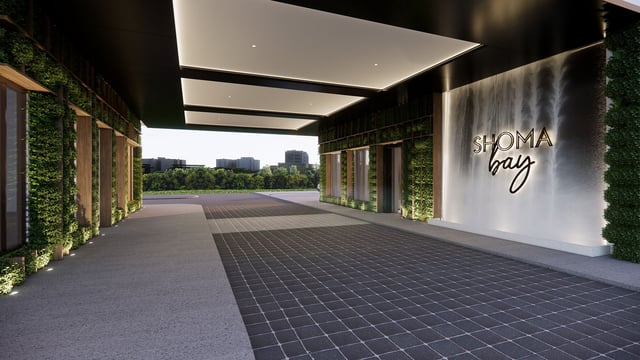
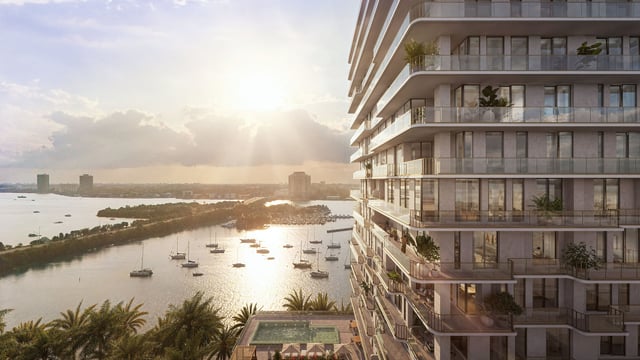
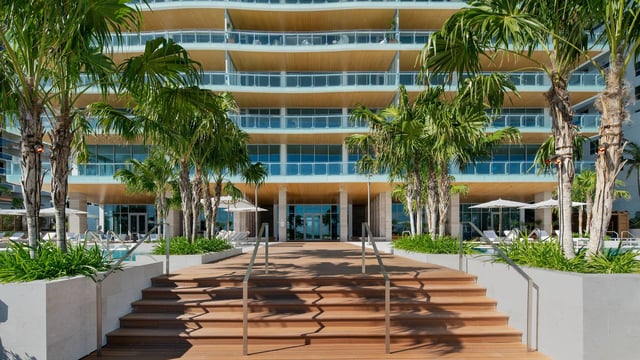
Four Seasons is framed as a hotel-and-residences model, with private residential life integrated into a branded hospitality environment. Shoma Bay is framed as a contemporary residential mixed-use development in North Bay Village, positioned along the bay-island corridor between Miami Beach and mainland Miami. That distinction affects everything from wellness programming to the way elevators, lobbies, spa areas, and amenity spaces may feel during peak demand.
In buyer shorthand, Fort Lauderdale suggests a beach-destination rhythm, while North Bay Village suggests a more residential bay-island routine. The stronger choice depends on whether the owner wants managed resort energy or calmer long-stay practicality.
Four Seasons: The Appeal of Managed Hospitality Wellness
The Fort Lauderdale option is strongest for buyers who want service culture, staffing depth, and the consistency associated with a five-star hotel residence. For a long-stay owner, that can be meaningful. A hotel-integrated property is more likely to deliver a deeply managed environment, with hospitality systems shaping the tone of arrival, wellness access, housekeeping culture, concierge response, and overall service discipline.
That is the practical luxury of the model. The buyer is not simply purchasing a residence near the beach. The buyer is entering an operating platform where residential living and hotel-style service coexist. For some owners, especially those accustomed to global luxury hotels, that familiarity can reduce friction. The building feels legible. Requests move through a recognizable hospitality lens. Wellness programming may feel more professionally organized than in a quieter residential-only setting.
The caution is equally important. A beach-destination hotel residence can carry visitor activity as part of its atmosphere. Spa areas, arrival sequences, restaurants, and shared amenity zones may have more non-resident traffic than a quieter residential development. Buyers who prize privacy should evaluate not just the brand, but the daily pattern of movement around the building.
Shoma Bay: Residential Practicality Over Hotel Theater
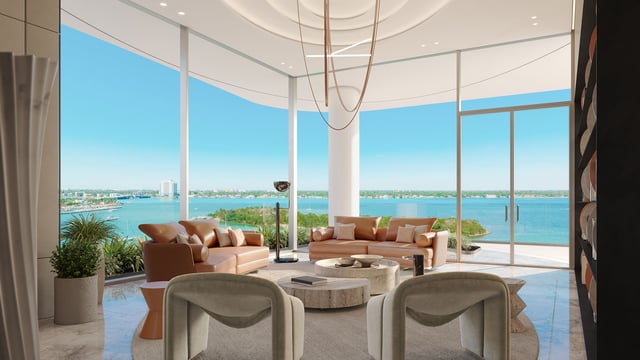
Shoma Bay’s advantage is different. Its North Bay Village setting supports a more residential daily rhythm while remaining within reach of Miami Beach and the urban core. For buyers who expect to stay for extended periods, that quieter cadence can matter more than a famous hospitality flag.
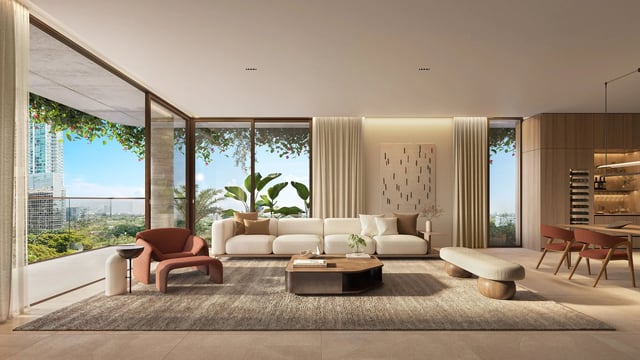
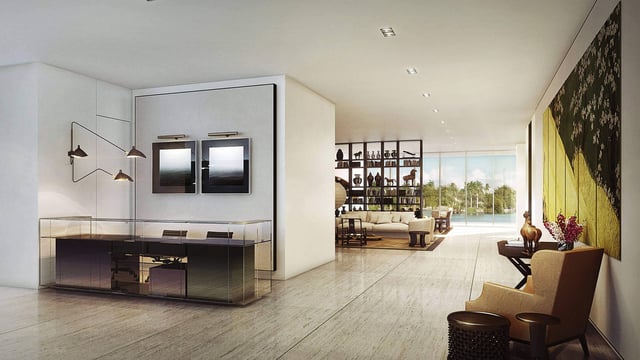
Because Shoma Bay is framed as a contemporary residential mixed-use development rather than a hotel-branded resort residence, the comparison centers on livability. The likely benefit is lower resort-style turnover and less spa or amenity traffic from hotel guests. That can make the building feel more predictable for owners who work from home, stay for an entire season, host family, or simply prefer not to feel as though their private residence is embedded inside a resort machine.
This is not a lesser form of luxury. It is a different definition of it. The buyer who chooses Shoma Bay may be prioritizing calmer routines, residential practicality, and Miami-area access over a hotel operating platform. In the same North Bay Village conversation, Continuum Club & Residences North Bay Village reinforces how this bay-island corridor is becoming a serious residential alternative for owners who want proximity without constant resort intensity.
Wellness Programming Versus Wellness Privacy
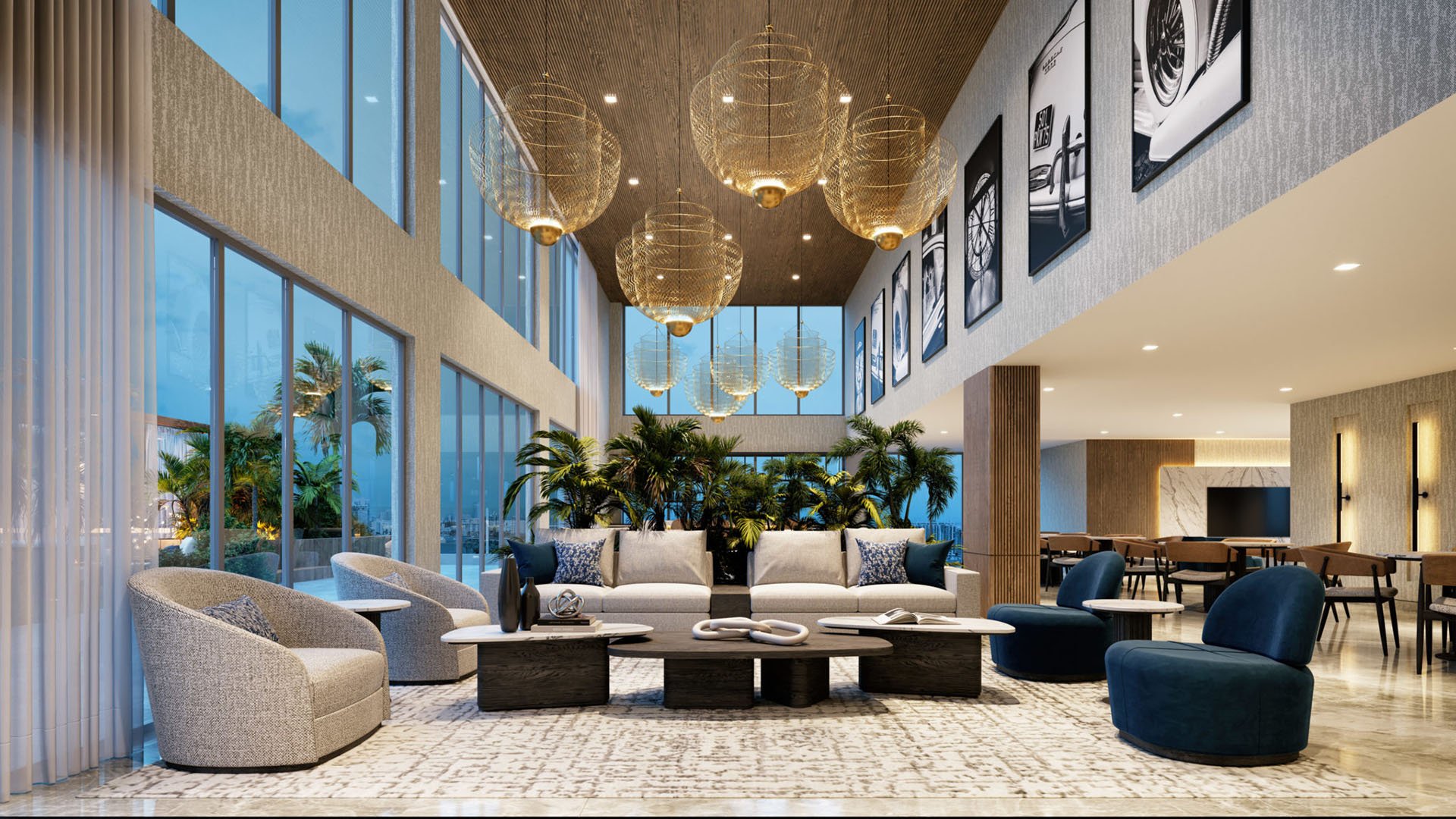
Wellness is often marketed as a universal good, but buyers should separate programming from privacy. Four Seasons is the more natural fit for someone who wants visible service, curated hospitality rituals, and the comfort of a professionally managed wellness environment. The tradeoff is that stronger hospitality infrastructure may also mean more people using or moving around those amenities.
Shoma Bay is more compelling for the buyer who defines wellness as quiet, routine, and control over the day. Less hotel-style turnover can support a calmer lifestyle, even if the environment does not lean as heavily on branded hospitality infrastructure. The wellness decision, then, is not simply about the existence of spa culture. It is about who shares it, when they use it, and how much of that activity touches the resident’s daily path.
Fort Lauderdale buyers comparing hotel-residence energy may also evaluate the broader spa-residence context. The useful exercise is the same: study how the amenity experience functions in real life, not just how elegantly it is described.
Long-Stay Livability: The Questions That Matter
For an owner planning meaningful time in residence, the practical checklist should be direct. How often will the owner use hotel-style services? Will the presence of guests feel vibrant or intrusive? Are shared amenity spaces central to the lifestyle, or is the residence itself the sanctuary? Does the buyer want a building that feels professionally animated, or one that feels more residential and predictable?
Second-home buyers often over-index on branding during the first tour. The better test is repetition. Imagine weekday mornings, holiday weekends, spa appointment windows, family visits, and ordinary evenings. Four Seasons may win for the owner who wants a polished hospitality ecosystem every day. Shoma Bay may win for the owner who wants extended-stay functionality with less resort-style circulation.
The Verdict for Discerning Buyers
Choose Four Seasons if the daily pleasure of ownership is tied to hospitality depth, five-star service culture, and managed wellness programming, with the acceptance that hotel integration can add traffic. Choose Shoma Bay if the priority is a calmer residential rhythm, lower visitor turnover, and practical access to Miami Beach and mainland Miami without living inside a branded resort environment.
The quiet lesson is simple: branding can guide attention, but it should not make the decision. Long-stay livability is felt in movement, privacy, service patterns, and the degree to which a building supports an owner’s real routine.
FAQs
-
Which property is better for a buyer who wants hotel-style service? Four Seasons is the stronger fit for buyers who value staffing depth, service culture, and hospitality consistency.
-
Which option is likely calmer for extended stays? Shoma Bay is positioned around residential practicality, which may better suit buyers seeking quieter daily routines.
-
Does Four Seasons’ hotel model create a livability tradeoff? Yes. The hospitality infrastructure can be appealing, but hotel integration may also bring more non-resident amenity and spa traffic.
-
Is Shoma Bay a hotel-branded residence? No. It is framed as a contemporary residential mixed-use development rather than a hotel-branded resort residence.
-
Why does the Fort Lauderdale setting matter? The beach-destination context can add resort-style energy and visitor activity to the ownership experience.
-
Why does North Bay Village matter for Shoma Bay? North Bay Village offers a bay-island setting between Miami Beach and mainland Miami, supporting access with a more residential rhythm.
-
Should wellness programming drive the entire decision? No. Buyers should also evaluate privacy, traffic patterns, amenity access, and how the building feels during ordinary days.
-
Is a famous brand enough to justify choosing Four Seasons? Not by itself. The brand is meaningful only if the buyer truly wants the service model and accepts the associated activity.
-
Who should lean toward Shoma Bay? Buyers prioritizing extended-stay functionality, calmer routines, and Miami-area access may find Shoma Bay more practical.
-
What is the best way to shortlist comparable options for touring? Start with location fit, delivery status, and daily lifestyle priorities, then compare stacks and elevations to validate views and privacy.
To compare the best-fit options with clarity, connect with MILLION.

Million Luxury
Million Luxury
Welcome to MILLION, an exclusive luxury real estate boutique nestled in the heart of South Florida’s most desirable locations. Specializing in high-end properties, we provide a sanctuary for discerning clients including top Fortune 500 executives, affluent families, celebrities, and professional athletes from across the globe. At MILLION, we understand the unique demands of our elite clientele and offer a seamless blend of confidentiality and personalized attention. Our commitment to privacy is unwavering; we ensure that every transaction and interaction is handled with the utmost discretion and according to stringent confidentiality protocols. Our concierge service embodies the pinnacle of white-glove care, offering tailored assistance that transcends traditional real estate support.