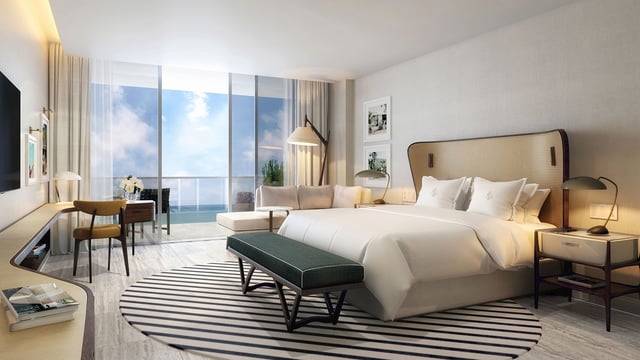
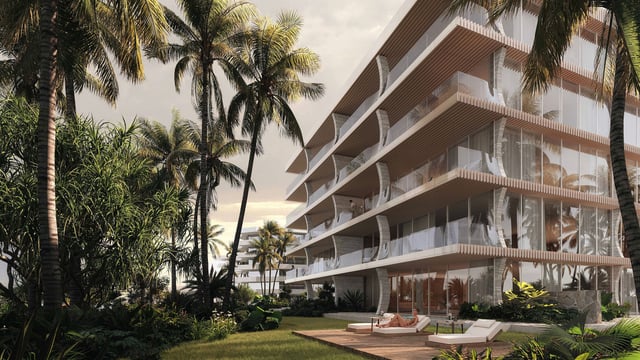
The Ritz-Carlton Residences® Fort Lauderdale: The Lock-and-Leave Question Behind Bayfront Privacy
Quick Summary
- Lock-and-leave value begins with trust, not only location or branding
- Bayfront privacy appeals to owners seeking quiet, controlled arrivals
- Fort Lauderdale buyers often compare service, water access, and ease
- The right residence should simplify ownership without reducing pleasure
The real question is not whether to leave, but how easily to return
For the South Florida luxury buyer, lock-and-leave living has matured beyond a convenience phrase. It is now a test of discipline. A residence must feel personal without becoming operationally demanding, secure without feeling sealed off, and private without losing its connection to water, light, and the city’s social rhythm.
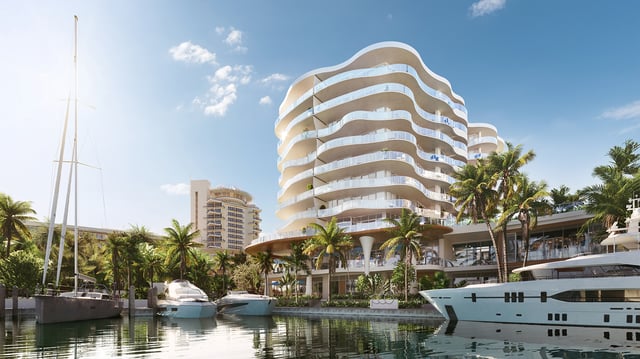
That is the quiet tension behind The Ritz-Carlton Residences® Fort Lauderdale. The name carries a clear service expectation, but the more intimate buyer question is this: can a bayfront home be left for weeks or months and still feel ready, composed, and effortless upon return?
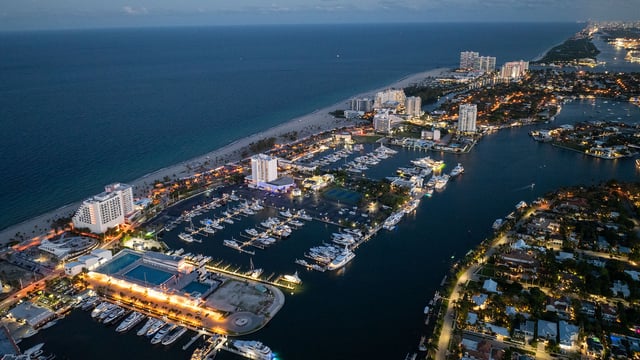
In Fort Lauderdale, that question matters because the city is not simply a beach market. It is a yachting, aviation, seasonal, and second-home market, where owners often divide time among several residences. The strongest purchase is therefore not only about square footage or view. It is about whether the building can absorb the friction of ownership.
Bayfront privacy has a different texture than oceanfront spectacle
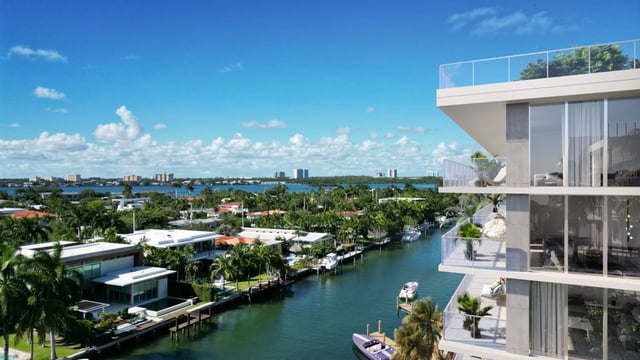
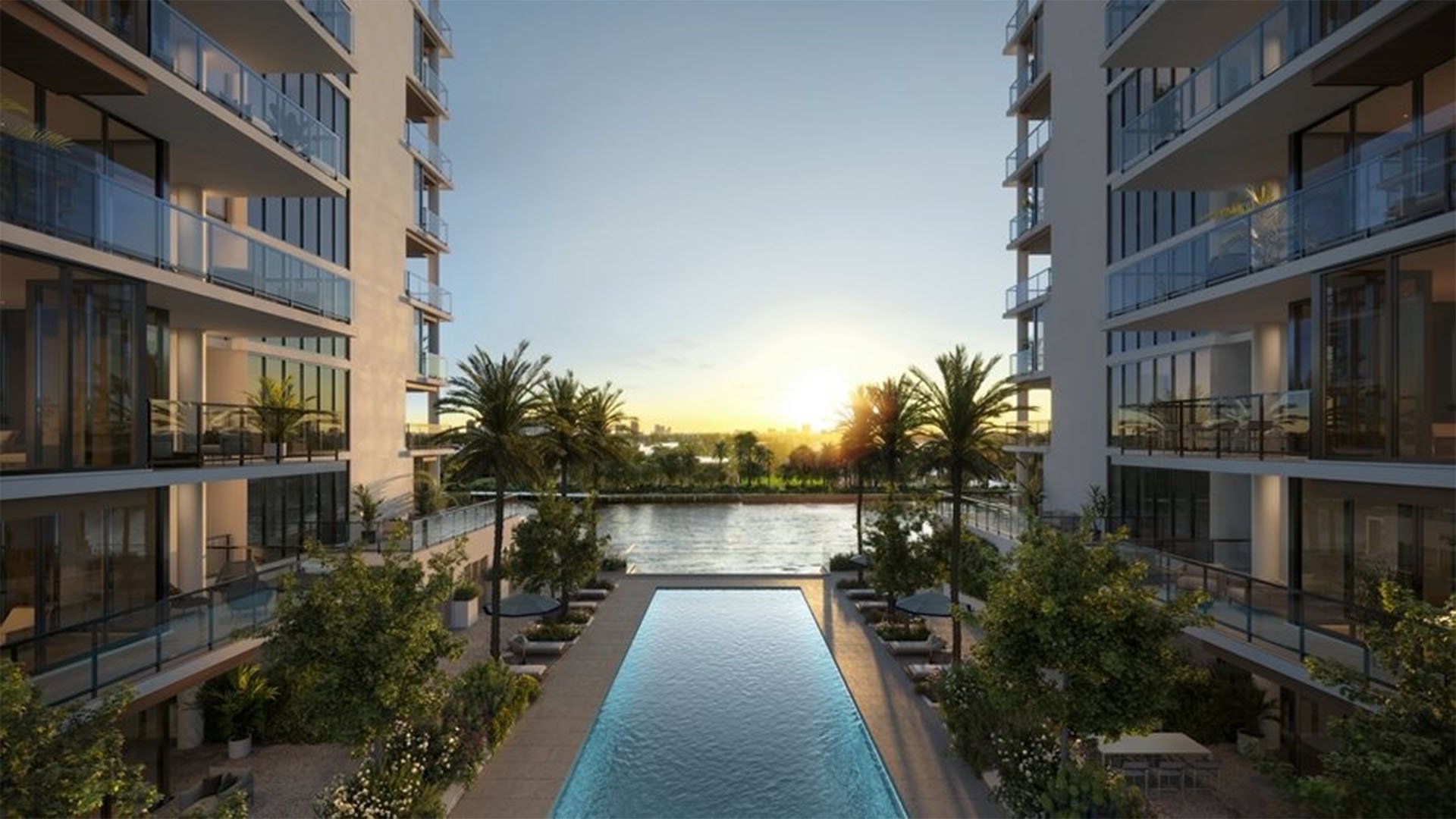
Oceanfront living is direct and dramatic. Bayfront living can be more discreet. It tends to reward buyers who prefer a softer daily tempo, with water as atmosphere rather than performance. For owners who value privacy, that distinction can be decisive.
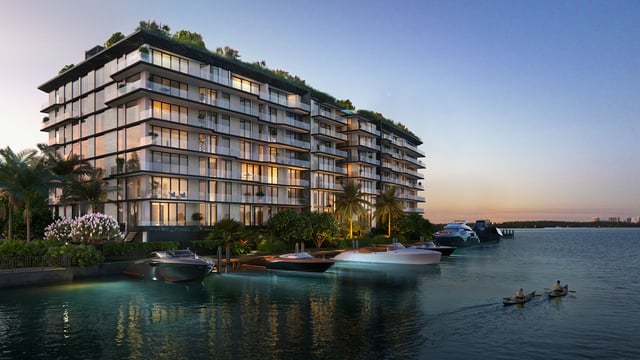
Bayfront privacy is not isolation. It is the ability to arrive, host, read, dine, and depart with fewer public transitions. A waterfront residence that feels calm at the threshold can become more useful than one that merely photographs well. The view is part of the appeal, but so is the choreography of access, parking, lobby presence, staff interaction, guest flow, deliveries, maintenance, and the owner’s ability to disappear when desired.
This is where the lock-and-leave question becomes architectural as much as operational. Does the residence support spontaneity? Does it allow an owner to land in South Florida and resume life without a checklist? Does it preserve the privacy expected by buyers accustomed to multiple homes, private clubs, and staff-managed properties?
What lock-and-leave really means at this level
At the upper end of the market, lock-and-leave is less about turning a key and more about continuity. The home should remain emotionally warm while the building handles the cold mechanics. Climate, access, correspondence, vendors, guest permissions, vehicles, and occasional maintenance all become part of the invisible luxury buyers are underwriting.
A credible lock-and-leave residence should reduce decision fatigue. Owners should not need to rebuild the household every time they arrive. A short stay should not be consumed by logistics. The ideal is a place that remembers how one lives, even after time away.
This is why branded residences continue to hold attention across South Florida. The promise is not only a logo. It is a culture of consistency. Nearby comparisons help clarify the point: Four Seasons Hotel & Private Residences Fort Lauderdale speaks to buyers who want hotel-adjacent polish, while St. Regis® Residences Bahia Mar Fort Lauderdale enters the conversation through a different hospitality lens. The shared theme is simple: affluent owners increasingly buy not only a residence, but a system.
The Fort Lauderdale buyer is becoming more precise
Fort Lauderdale has long appealed to buyers who appreciate water, boating culture, and a slightly more relaxed identity than Miami’s highest-velocity districts. Today, that appeal is being refined. Buyers are asking sharper questions about access, privacy, architectural restraint, and how a residence functions when it is not occupied full time.
For readers sorting by lifestyle vocabulary, the discussion often touches Fort-lauderdale, Broward, Waterview, Marina, Second-home, and New-construction priorities. Those labels may be blunt, but they capture the underlying search behavior: a desire for water, ease, and a residential environment that works when the owner is present and when the owner is away.
This is especially relevant for households moving between New York, Palm Beach, Miami, the Bahamas, Europe, and seasonal mountain markets. A Fort Lauderdale residence may not need to be the largest home in the portfolio. It may need to be the most effortless one.
Privacy is experienced in small moments
Luxury buyers often speak about privacy in grand terms, but they feel it in small ones. It is the elevator ride that does not become a social obligation. The lobby that remains elegant rather than theatrical. The staff interaction that is warm without becoming familiar. The guest arrival that feels controlled but not cold.
Bayfront residences are particularly sensitive to this balance. Water creates openness; the building must create discretion. Terraces, sightlines, amenity placement, drop-off sequence, and the relationship between public and private areas all influence how protected an owner feels. The most successful buildings allow residents to enjoy the visual generosity of the waterfront while maintaining a strong sense of personal territory.
This is not a question that can be answered only by renderings. Buyers should walk through the arrival sequence mentally. Where does the car stop? Who sees the guest arrive? How does the owner move from street to residence? How are packages, staff, and vendors handled? The best lock-and-leave purchase is often the one where these questions feel almost boring, because the answers are calm.
How nearby alternatives sharpen the decision
Fort Lauderdale’s emerging luxury map gives buyers a useful range of comparisons. Riva Residenze Fort Lauderdale may appeal to those studying a more residential waterfront rhythm, while Sixth & Rio Fort Lauderdale offers another lens on urban access and scale within the city’s evolving residential fabric.
Looking slightly north, The Ritz-Carlton Residences® Pompano Beach can also enter the mental set for buyers committed to the broader Broward coastline but still calibrating which waterfront atmosphere feels right.
These comparisons are not about declaring a universal winner. They are about clarifying temperament. Some buyers want more activity. Some want more marina energy. Some want more beach proximity. Others are drawn to bayfront privacy precisely because it offers a less exposed version of waterfront life.
The purchase should be tested like an operating model
A serious buyer should evaluate The Ritz-Carlton Residences® Fort Lauderdale through three questions. First, does the residence feel like a sanctuary on arrival? Second, does the building reduce the owner’s logistical load? Third, does the privacy feel natural rather than forced?
If the answer is yes, the residence can function as more than a South Florida address. It can become a dependable private base. That matters in a market where many buyers already own beautiful homes. The differentiator is no longer beauty alone. It is ease, trust, discretion, and the feeling that the building understands the owner’s absence as well as the owner’s presence.
For the right household, bayfront privacy is not a retreat from Fort Lauderdale. It is a more refined way to participate in it.
FAQs
-
Is The Ritz-Carlton Residences® Fort Lauderdale mainly for full-time residents? It can appeal to both full-time and seasonal owners, especially buyers who value a serviced, low-friction ownership model.
-
What does lock-and-leave mean for luxury buyers? It means the residence remains secure, orderly, and ready to enjoy without requiring the owner to manage every detail personally.
-
Why is bayfront privacy important in Fort Lauderdale? Bayfront privacy offers waterfront atmosphere with a quieter sense of arrival, daily living, and entertaining.
-
Is bayfront living different from oceanfront living? Yes. Oceanfront living is often more dramatic, while bayfront living can feel calmer, more protected, and more discreet.
-
Should buyers compare other Fort Lauderdale residences? Yes. Comparing nearby luxury buildings helps clarify preferences around service, access, water orientation, and lifestyle rhythm.
-
Does branding alone determine value? No. Branding matters most when it is supported by service culture, privacy, execution, and long-term ease of ownership.
-
What should a second-home buyer prioritize? A second-home buyer should focus on access, maintenance simplicity, staff coordination, privacy, and the quality of re-entry after time away.
-
Are waterfront views the only reason to consider this type of residence? No. Views matter, but the stronger appeal is often the combination of water, discretion, service, and daily convenience.
-
How should buyers evaluate privacy during a tour? They should study arrival, lobby flow, elevator access, amenity placement, guest movement, and how visible daily routines may feel.
-
Is Fort Lauderdale suitable for a multi-home owner? Yes. Its waterfront lifestyle and regional access can make it a practical South Florida base for owners with homes elsewhere.
For a discreet conversation and a curated building-by-building shortlist, connect with MILLION.

Million Luxury
Million Luxury
Welcome to MILLION, an exclusive luxury real estate boutique nestled in the heart of South Florida’s most desirable locations. Specializing in high-end properties, we provide a sanctuary for discerning clients including top Fortune 500 executives, affluent families, celebrities, and professional athletes from across the globe. At MILLION, we understand the unique demands of our elite clientele and offer a seamless blend of confidentiality and personalized attention. Our commitment to privacy is unwavering; we ensure that every transaction and interaction is handled with the utmost discretion and according to stringent confidentiality protocols. Our concierge service embodies the pinnacle of white-glove care, offering tailored assistance that transcends traditional real estate support.