Miami Design District and Wynwood: How Walkability and Service Expectations Differ
Quick Summary
- Design District favors curated errands and appointment-level service
- Wynwood rewards spontaneous movement, dining, culture, and flexibility
- Service expectations shift from concierge polish to urban convenience
- Buyers should match daily routines to each district's rhythm
Why the Difference Matters for Luxury Buyers
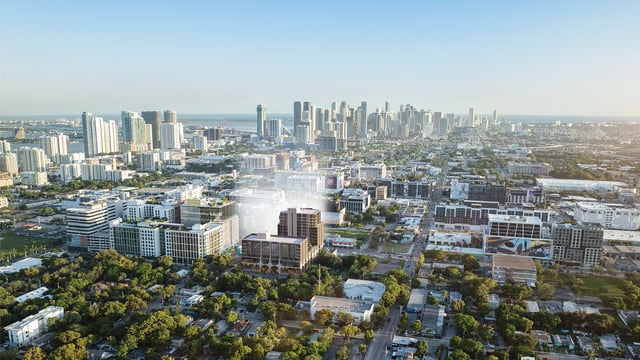
Miami Design District and Wynwood sit close enough to be considered together by many urban-minded buyers, yet they reward very different daily habits. The distinction is not simply aesthetic. It shapes how a resident moves through the day, how often a car feels necessary, what kind of service feels natural, and whether the surrounding energy supports a primary residence, a pied-à-terre, or an investment hold.
The Design District tends to suit buyers who want a more edited environment. Walkability here is less about covering distance and more about precision: a refined errand, a gallery moment, a lunch reservation, a design appointment, a quiet return home. Wynwood, by contrast, is more kinetic. Its appeal lies in street-level discovery, casual dining, shifting creative energy, and a less formal kind of urban convenience.
For South Florida’s ultra-premium buyer, the question is not which neighborhood is more walkable. It is which version of walkability feels aligned with the way one wants to live.
The Design District Walk: Curated, Compact, and Purposeful
The Miami Design District lifestyle is defined by intention. Residents and buyers are typically drawn to a setting where movement feels curated rather than improvised. A short walk might revolve around fashion, interiors, art, dining, or a meeting, with the expectation that the environment will feel composed and visually deliberate.
That kind of walkability has a luxury logic. It supports residents who prefer fewer decisions and better surroundings. The district’s appeal is not necessarily late-night density or constant casual activity. It is the sense that everyday movement can be elevated, even when the errand is brief.
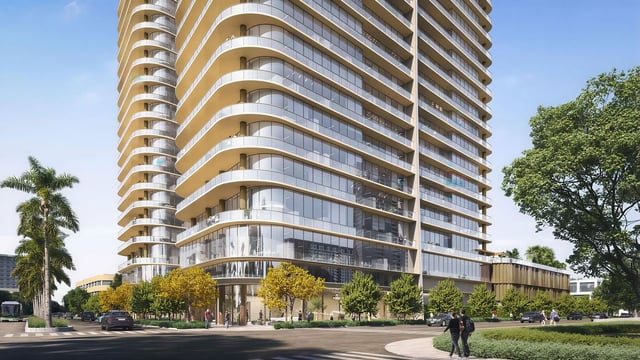
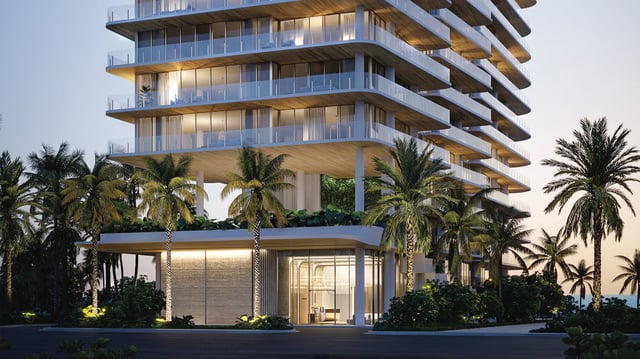
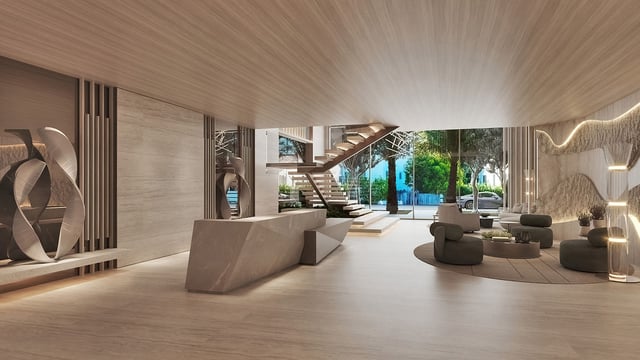
For buyers considering residences such as Kempinski Residences Miami Design District, the attraction is the compatibility between address and service mindset. The residence is not merely a place to sleep near retail and dining. It is part of a broader expectation that arrival, privacy, design, and neighborhood polish should work together.
Wynwood Walkability: Social, Creative, and Less Scripted
Wynwood offers a different kind of pedestrian life. Its strongest appeal is the ability to step into a neighborhood that feels active, informal, and visually expressive. Walkability here is less ceremonial. It is about coffee, bars, casual dinners, galleries, fitness, friends visiting from out of town, and the possibility that the day can change direction quickly.
This makes Wynwood especially relevant for buyers who want a more flexible version of luxury. The neighborhood’s energy can suit residents who do not need every moment to feel managed. A polished lobby still matters, but the surrounding lifestyle is more open-ended. The street itself becomes part of the amenity package.
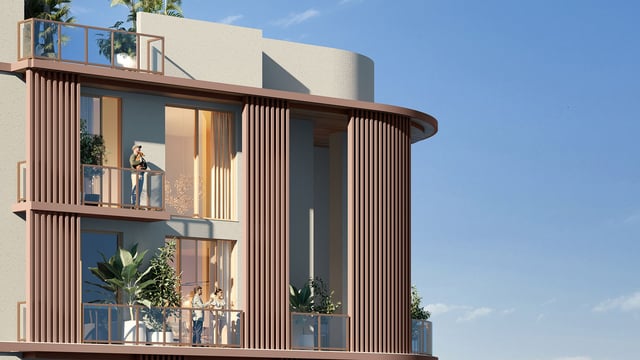
A project such as Frida Kahlo Wynwood Residences speaks to that shift in buyer psychology: the desire for cultural proximity, urban texture, and a residential base that feels connected to the neighborhood rather than sealed away from it.
Service Expectations: White-Glove Versus Street-Smart
Service expectations differ sharply between the two districts. In the Design District, luxury buyers tend to expect choreography. Valet should feel seamless, guest arrival should be polished, building staff should understand privacy, and common spaces should remain calm even when the neighborhood is active. The tone is closer to hospitality than convenience.
In Wynwood, the service language is different. Buyers may still want security, package handling, fitness access, and responsive management, but the emphasis is often on adaptability. The best service model here supports an urban lifestyle without over-formalizing it. Residents may value easy movement, practical access, and social flexibility as much as ceremonial arrival.
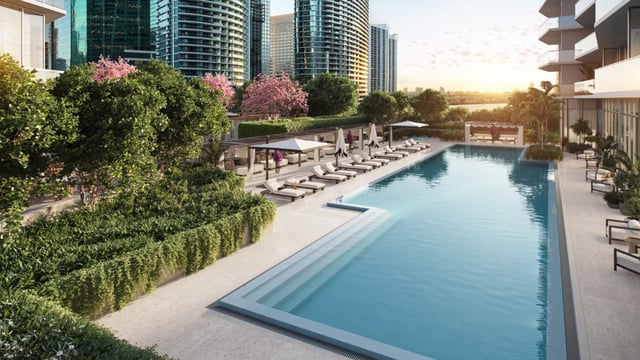
This is where new construction matters. Newer residences can be planned around contemporary expectations: ride-share flow, delivery management, flexible work patterns, pet routines, and outdoor space. The right building does not simply add amenities. It interprets the neighborhood’s rhythm.
Residence Fit: Who Belongs Where?
The Design District is compelling for buyers who want discretion, visual refinement, and a sense of place that feels edited. It can work beautifully for collectors, design-focused owners, international residents, and those who prefer a more polished neighborhood cadence. Boutique living can be especially powerful here when it protects privacy and reduces the friction of daily movement.
Wynwood may fit buyers who want more visible energy. It can appeal to younger luxury purchasers, creative entrepreneurs, seasonal residents who entertain frequently, and owners who want proximity to a changing dining and arts scene. A private terrace, a flexible floor plan, or a lock-and-leave setup may carry particular weight when the surrounding neighborhood is active.
Nearby options such as Miami Design Residences Midtown Miami and Miami Tropic Residences show how the broader area can serve buyers who want access to both districts without choosing a single identity too narrowly.
How to Compare the Two Before Buying
A serious buyer should walk both neighborhoods at the times they actually expect to use them. A morning walk, a weekday lunch, an early evening arrival, and a weekend dinner can reveal more than any brochure. Notice where movement feels natural, where the car becomes tempting, and where service expectations rise or relax.
In the Design District, ask whether the residential experience feels protected enough from destination traffic and visible activity. In Wynwood, ask whether the building creates enough calm to balance the neighborhood’s energy. In both cases, the highest form of luxury is not simply proximity. It is control over how much of the city enters one’s private life.
The MILLION Perspective
Miami Design District and Wynwood are not substitutes. They are neighboring expressions of Miami’s urban evolution. One is more composed, design-led, and service-forward. The other is more spontaneous, social, and culturally porous.
For the right buyer, either can be highly compelling. The essential move is to match the address to the owner’s actual daily rituals: how one arrives, where one walks, who visits, how often one entertains, and how much service should be visible. In this part of Miami, walkability is not just a convenience. It is a statement about taste.
FAQs
-
Is the Miami Design District more formal than Wynwood? Generally, yes. The Design District tends to feel more curated and polished, while Wynwood has a more casual, creative street rhythm.
-
Which neighborhood is better for a walkable luxury lifestyle? It depends on the buyer’s habits. The Design District favors refined errands, while Wynwood favors spontaneous dining, culture, and social movement.
-
Does Wynwood suit primary residents or mostly second-home owners? It can suit either, provided the buyer is comfortable with an active urban setting and chooses a residence that offers sufficient privacy.
-
What service level should buyers expect in the Design District? Buyers should look for polished arrival, privacy-conscious staff, seamless valet, and amenities that support a composed daily experience.
-
What service level matters most in Wynwood? Practical urban service matters most: access, security, package management, flexible common areas, and responsive building operations.
-
Are boutique residences a good fit for these neighborhoods? Boutique residences can work well when they provide privacy, efficient access, and a calmer counterpoint to a highly active location.
-
Is new construction especially important in this part of Miami? New construction can be valuable because it may better address modern delivery, mobility, work-from-home, and amenity expectations.
-
Should buyers prioritize a terrace in Wynwood or the Design District? A terrace can be valuable in both areas, especially for buyers who want private outdoor space above an energetic urban environment.
-
Is Wynwood mainly about nightlife and bars? No. Bars are part of the lifestyle, but the broader appeal includes dining, art, fitness, casual meetings, and creative neighborhood energy.
-
How should investors compare the two districts? Investment thinking should focus on tenant profile, building quality, service model, and how well the residence matches the neighborhood’s daily rhythm.
To compare the best-fit options with clarity, connect with MILLION.

Million Luxury
Million Luxury
Welcome to MILLION, an exclusive luxury real estate boutique nestled in the heart of South Florida’s most desirable locations. Specializing in high-end properties, we provide a sanctuary for discerning clients including top Fortune 500 executives, affluent families, celebrities, and professional athletes from across the globe. At MILLION, we understand the unique demands of our elite clientele and offer a seamless blend of confidentiality and personalized attention. Our commitment to privacy is unwavering; we ensure that every transaction and interaction is handled with the utmost discretion and according to stringent confidentiality protocols. Our concierge service embodies the pinnacle of white-glove care, offering tailored assistance that transcends traditional real estate support.