Rosewood Residences Hillsboro Beach vs Ocean House Surfside: A Household-Operations Comparison for Buyers Who Prefer Completed-Tower Certainty over Pre-Construction Theater
Quick Summary
- The real comparison is staff flow, privacy, arrivals, and daily service
- Hillsboro Beach favors quieter coastal cadence; Surfside adds village energy
- Completed-tower buyers should inspect operations, not just finishes
- Resale discipline begins with maintenance history and livability
The Quieter Comparison: How the Home Actually Runs
For a certain South Florida buyer, the most persuasive luxury is not a rendering, a sales gallery, or a theatrical amenity promise. It is the quiet confidence of understanding how a residence may perform in real life. That is the useful lens for comparing Rosewood Residences Hillsboro Beach with Ocean House Surfside: not as abstract objects, but as households with daily rhythms.
The question is not simply which address feels more glamorous. It is which one better supports the way an owner actually lives: arrivals after travel, family and guest circulation, vendor access, service calls, beach routines, privacy, maintenance oversight, and long-term stewardship. In the ultra-premium segment, these are not secondary details. They determine whether the home still feels effortless after the first season, once the initial excitement has settled into actual occupancy.
Location as an Operating System
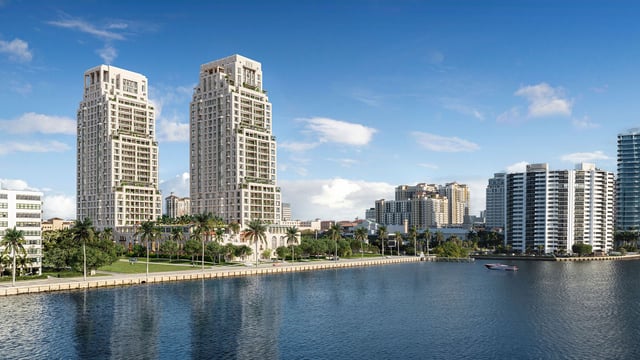
Rosewood Residences Hillsboro Beach and Ocean House Surfside begin with different coastal temperaments. Hillsboro Beach suggests a more removed residential cadence, especially for buyers who associate privacy with a quieter coastal line. Surfside carries a distinct village identity, with a compact sense of daily movement and a closer relationship to Miami Beach patterns without feeling like a high-density urban core.
That distinction matters operationally. A household that values retreat may prioritize fewer interruptions, predictable routines, and an atmosphere where the residence feels like a private base. A household that prefers a more social coastal setting may place greater value on quick access to familiar restaurants, services, and neighborhood errands. Neither is universally superior. The correct choice is the one that reduces friction for the specific family using the home.
For buyers already studying the Surfside corridor, comparisons may naturally include The Delmore Surfside or Fendi Château Residences Surfside, not to create a beauty contest, but to understand different expressions of privacy, scale, and residential form within the same coastal conversation.
Arrival, Privacy, and the First Five Minutes
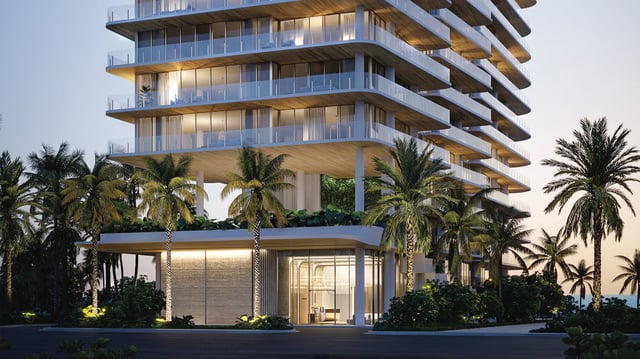
The first five minutes of arrival reveal more than a brochure ever can. How does the property receive residents? Is the entry sequence discreet or performative? Are guests, drivers, deliveries, and owners moving through the same pressure points? Can a family return from travel without feeling that the lobby has become a stage?
At this level, privacy is not only visual. It is procedural. A well-run household environment separates personal life from operational life. Groceries arrive without drama. A driver knows where to pause. Guests are welcomed without confusion. Service personnel are directed clearly. The residence should preserve grace under ordinary pressure.
A buyer comparing Rosewood Residences Hillsboro Beach with Ocean House Surfside should observe arrival choreography at different hours. Morning, late afternoon, and weekend patterns can feel meaningfully different. The best building for a household is the one that makes repeated movement feel composed.
Service Culture, Staffing, and Maintenance Discipline
Completed-tower certainty appeals because it lets a buyer evaluate performance rather than promise. In an operating environment, the conversation moves from aspiration to evidence. How attentive is the front-of-house team? Are common areas consistently maintained? Do residents appear relaxed? Does the property feel overmanaged, undermanned, or quietly competent?
This is where household operations become a luxury metric. A residence can have exceptional finishes yet still feel inefficient if staff communication is inconsistent or if owner requests travel through too many channels. Conversely, a more understated environment can feel deeply premium when service is precise, maintenance is anticipatory, and daily interactions are calm.
Buyers should ask practical questions. How are repairs scheduled? How are deliveries handled? What is the process for guests arriving when the owner is away? How does management communicate building matters? The answers shape the actual ownership experience far more than a single amenity image.
Oceanfront Living Is a Logistics Question
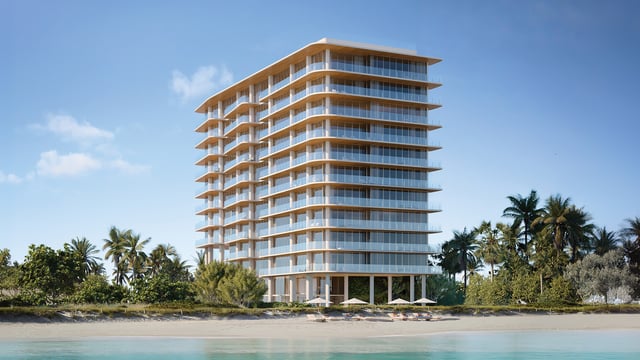
Oceanfront ownership carries its own rituals. Beach access, towel routines, sand management, pets, children, extended family visits, and seasonal guest traffic all become part of the household system. A beautiful view is only one part of the value proposition. The more durable question is whether the residence makes coastal living simple.
For families, this often means storage, circulation, and transitions. Where do wet towels go? How quickly can children move from the residence to the water and back? Are there comfortable places to pause between beach, pool, and home? Does the building feel gracious when multiple generations are present?
These questions apply across the broader South Florida coast. Buyers who look beyond the immediate comparison may also examine 2000 Ocean Hallandale Beach as another expression of elevated coastal living, particularly when thinking about how architecture, shoreline setting, and daily use intersect.
The Resale Lens: Livability Becomes Liquidity
Resale strength in the luxury segment is not only about address prestige. It is also about whether the next sophisticated buyer can immediately understand the household logic. A residence that feels easy to live in, easy to staff, and easy to maintain carries an advantage because its value is legible.
That is especially true for completed-tower buyers who prefer certainty. They can inspect condition, experience arrival, evaluate acoustics, understand elevator rhythm, and feel the difference between a property designed for spectacle and a property designed for durable living. A disciplined buyer is not dismissing design. Rather, the buyer is asking design to prove itself through use.
For Rosewood Residences Hillsboro Beach, the question is whether the home supports a refined retreat on the Broward coastline. For Ocean House Surfside, the question is whether the home supports a Surfside lifestyle with enough privacy, convenience, and day-to-day polish. Both can appeal to buyers who value discretion. The distinction lies in the type of discretion each household wants.
Which Buyer Fits Each Address?
Rosewood Residences Hillsboro Beach will speak most clearly to the buyer who wants the residence to feel like a calm coastal sanctuary. This is the owner who measures luxury by privacy, quiet, and the ability to step away from the busier South Florida tempo. The household may still entertain beautifully, but the primary emotional value is retreat.
Ocean House Surfside will resonate with the buyer who wants a coastal home connected to a more active village rhythm. This owner may want privacy at home while still valuing the ease of neighborhood movement and a recognizable Surfside identity. The household is not necessarily louder, but it is more socially proximate.
The best decision is made in person, slowly. Visit at different times. Walk the arrival path. Speak with the household members who will actually use the home. Consider the needs of children, guests, pets, staff, drivers, and visiting relatives. In luxury real estate, the wrong operational fit is expensive even when the architecture is beautiful.
FAQs
-
What is the main difference between Rosewood Residences Hillsboro Beach and Ocean House Surfside? The useful distinction is lifestyle rhythm: Hillsboro Beach reads more retreat-oriented, while Surfside offers a more village-connected coastal setting.
-
Why do household operations matter for luxury buyers? Operations determine how gracefully the residence handles arrivals, guests, deliveries, service needs, beach routines, and everyday maintenance.
-
Is completed-tower certainty more valuable than pre-construction promise? For many cautious buyers, yes, because they can observe real circulation, service culture, maintenance quality, and resident experience before committing.
-
Should buyers compare amenities first? Amenities matter, but the better first question is how often they will be used and whether they improve the household’s daily life.
-
How should an oceanfront buyer evaluate daily livability? Focus on transitions between residence, pool, beach, storage, elevators, and service areas, especially during weekends and holidays.
-
What should a family prioritize in this comparison? Families should study privacy, guest flow, children’s routines, staff coordination, storage, and the ease of returning from beach or travel.
-
Does Surfside suit a buyer who wants privacy? It can, provided the specific residence and building operations create enough separation between personal life and neighborhood activity.
-
Does Hillsboro Beach suit a buyer who entertains? It can, especially for owners who prefer entertaining in a quieter coastal environment rather than a more visibly social setting.
-
What role does resale play in the decision? Resale discipline favors residences with clear livability, strong maintenance impressions, and a household logic that future buyers can quickly understand.
-
What is the best way to choose between the two? Tour both slowly, at different hours, and evaluate how each property supports the household’s real routines rather than its imagined ones.
If you'd like a private walkthrough and a curated shortlist, connect with MILLION.

Million Luxury
Million Luxury
Welcome to MILLION, an exclusive luxury real estate boutique nestled in the heart of South Florida’s most desirable locations. Specializing in high-end properties, we provide a sanctuary for discerning clients including top Fortune 500 executives, affluent families, celebrities, and professional athletes from across the globe. At MILLION, we understand the unique demands of our elite clientele and offer a seamless blend of confidentiality and personalized attention. Our commitment to privacy is unwavering; we ensure that every transaction and interaction is handled with the utmost discretion and according to stringent confidentiality protocols. Our concierge service embodies the pinnacle of white-glove care, offering tailored assistance that transcends traditional real estate support.