The Logistics of In Home Personal Training and Private Pilates Studios
Quick Summary
- Plan a dedicated room: clearances, flooring, mirrors, and safe circulation
- Align with building rules: guest access, elevator etiquette, and hours
- Control sound and vibration to protect neighbors and your own privacy
- Use simple operations: storage, sanitation, booking, and trainer protocols
Why “in-home training” is a real estate feature now
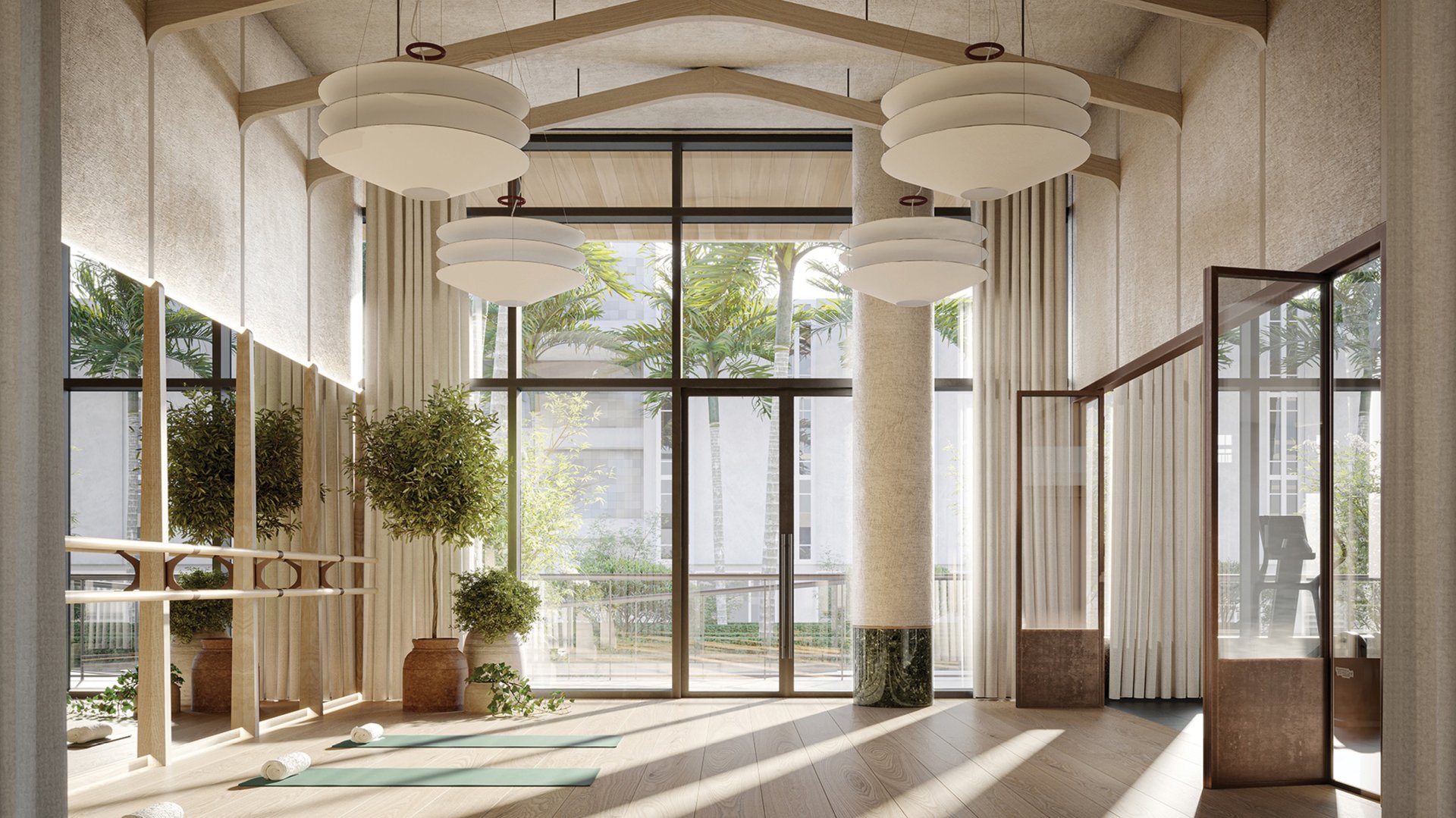
For many South Florida buyers, wellness has shifted from an amenity down the hall to a daily ritual at home. The appeal is straightforward: no commute, no crowded peak hours, and a routine that fits seamlessly into the architecture of your day. But the difference between an occasional at-home session and a truly functional private Pilates studio comes down to logistics. The strongest outcomes come from treating the studio like a compact, purpose-built program within the residence.
In condo living, that also means coexistence. A well-managed in-home training setup respects building operations, neighbors, and your own privacy. In single-family homes, the focus is flow, storage, and a controlled environment that supports consistency. Either way, the headline benefit is the same: your schedule dictates the experience.
Choosing the right space: location, light, and circulation
Start with the room-not the equipment. Pilates and personal training demand clean circulation around the body and around the apparatus. The best studio is not a pass-through. If a guest, child, or staff member needs to cut through the space to reach another room, sessions will feel interrupted and can become less safe.
In a high-rise, buyers often repurpose a den or secondary bedroom. In Brickell, for instance, many newer residences are designed with flexible plans that can support an office-studio hybrid. If you are exploring buildings where that kind of adaptability is part of the lifestyle proposition, 2200 Brickell is the type of address where a den-to-wellness program feels natural in concept.
Practical considerations to decide whether a room “qualifies”:
-
Ceiling height and visual comfort: overhead clearance matters for certain movements, and the room should still feel open.
-
Daylight and glare: natural light elevates the space, but direct glare into mirrors can be distracting.
-
Proximity to a bathroom: for hand-washing, towel changes, and a smoother guest experience.
-
HVAC performance: aim for quiet, stable temperature control without aggressive drafts.
A final nuance: if you live on the ocean, salt air is a factor. Choose finishes and hardware that tolerate humidity and wipe down easily.
Building operations: guest access, service etiquette, and session timing
In-home training introduces an outside professional into a managed environment. In luxury towers, the way someone arrives matters as much as the workout itself.
Before you commit to a regular trainer, establish a simple access protocol. Many buildings prefer advance notice, ID verification, or designated entry points. Even where policies are flexible, your own system matters: the fewer improvisations at the front desk, the calmer the experience.
Key operational questions to settle early:
-
How your trainer is announced and granted access
-
Whether equipment deliveries are permitted through certain elevators
-
Acceptable hours for activity that could create noise or vibration
-
Where a trainer can park or be dropped off without friction
This is where residence selection becomes part of wellness planning. In Miami Beach, privacy expectations can be high and building culture matters. A setting like 57 Ocean Miami Beach reflects the broader preference for discreet arrivals and a lifestyle that can accommodate curated routines with minimal public visibility.
Equipment decisions: reformer, tower, and strength essentials
The smartest private studios are edited, not crowded. Invest only in what you will use weekly-and make sure every piece can be stored, cleaned, and maintained.
For Pilates, the anchor is often a reformer. Some owners add a tower or chair, but the real differentiator is placement: plan clearance on both sides, safe entry and exit, and a wall orientation that supports instruction. For strength training, a small set of adjustable dumbbells, bands, a bench, and a mat zone can cover most programs without turning the room into a gym.
A buyer-oriented approach:
-
Choose commercial-grade durability when possible, while prioritizing quiet operation.
-
Avoid equipment that needs to be dragged across floors.
-
Plan a storage wall so the room can reset quickly for guests or family use.
In residences with strong indoor-outdoor living, it can be tempting to move a session onto a terrace. If that is part of your lifestyle, remember that wind, sun exposure, and neighbor sightlines change the experience. A terrace can be beautiful, but the primary studio should still function with the doors closed.
Floors, walls, and sound: the hidden cost of doing it wrong
Noise is the most common point of tension in luxury multi-family living. Pilates springs, dropped weights, and rhythmic footwork can transmit vibration through slabs and columns. Even when a session feels “quiet,” structure-borne sound travels.
Treat acoustics as an investment in peace:
-
Use a dense, purpose-made fitness underlayment or platform beneath heavy apparatus.
-
Prefer rubber or engineered flooring systems that absorb impact without feeling spongy.
-
Add soft treatments strategically: drapery, upholstered pieces, and acoustic panels that can read as art.
-
Keep speakers modest; a private studio does not need club volume.
In oceanfront buildings where neighbors value calm, this matters even more. It is also a resale consideration: a studio built thoughtfully reads as intentional, not improvised.
Storage, sanitation, and the “reset” that makes it feel luxe
Luxury is often operational: the room returns to perfect condition, quickly. That requires storage that is designed in, not tacked on.
A functional reset includes:
-
A closed cabinet for towels, wipes, bands, and small props
-
A dedicated hamper or concealed bin
-
A compact, attractive tray for water, electrolytes, or post-session essentials
-
A plan for regular laundering and replenishment
If you employ household staff, document the routine: which surfaces are cleaned, what products are used, and how often equipment is checked. Consistency protects both the client and the professional.
Privacy and security: who knows your routine
In-home training is inherently intimate. You may be in minimal attire, moving through challenging sequences, and sometimes recording form for progress. Treat privacy as both a design priority and a protocol.
Simple best practices:
-
Avoid placing the studio where a neighbor can see in at night.
-
Use layered window treatments to control visibility without sacrificing daylight.
-
Decide whether filming is permitted and where footage is stored.
-
Keep trainer access limited to what is necessary, including restroom use and back-of-house areas.
In Bay Harbor Islands, where discreet residential living is part of the appeal, wellness programs often align with a more private neighborhood feel. A project like The Well Bay Harbor Islands fits naturally with a lifestyle that treats wellness as daily and integrated-not occasional.
Scheduling and etiquette: making the routine sustainable
A private studio works when it fits the household, not when it competes with it. Build a schedule that respects family, neighbors, and your own energy.
Operational tips that seem small but change everything:
-
Set fixed days and times, and keep them consistent.
-
Build in a 10-minute buffer for arrival, reset, and departure.
-
Keep a small “house rules” note for trainers: footwear expectations, music volume, towel handling, and where equipment is returned.
-
If multiple trainers rotate in, standardize the program so the room is used the same way each time.
For clients who travel often, consider a hybrid approach: one in-person session weekly, plus short self-guided workouts in between. The studio should support both coached and solo use.
Condos vs. single-family homes: what changes
The fundamentals are the same; the constraints are not.
In condos, the limiting factors are building rules, elevator logistics for deliveries, neighbor acoustics, and the practicality of a dedicated room. In single-family homes, the focus shifts to where the studio sits relative to the main living zones. If you prefer trainers to arrive without crossing formal spaces, a separate entrance may be worth considering.
If you split time between city and shore, you may prioritize different setups. In an urban residence, the studio might be a highly efficient den. In a coastal residence, you may want a larger room with space for stretching, recovery tools, and a small sitting area.
In Sunny Isles, for example, many buyers prioritize full-service living while still maintaining a private routine. A landmark-style tower such as Bentley Residences Sunny Isles fits the broader preference for curated amenities-plus the option to keep training private when you want absolute control over your environment.
Designing for resale: make it convertible
Even if you plan to use the studio for years, design it so it can transition back to a bedroom, office, or media room. This is where restraint reads as sophistication.
Resale-friendly choices:
-
Avoid permanent mirror walls that read like a commercial gym; opt for framed, design-forward mirrors.
-
Keep lighting warm and layered, not clinical.
-
Use built-ins that can present as standard cabinetry.
-
Preserve closet functionality when possible.
A studio that reads as a well-designed room first-and a training space second-will age better and appeal to a wider buyer pool.
FAQs
-
What is the best room type for a private Pilates studio? A dedicated bedroom or den that is not a pass-through is ideal, with easy access to a nearby bathroom.
-
Do condo buildings typically allow in-home personal trainers? Many do, but policies vary; confirm guest access procedures, permitted hours, and elevator etiquette before scheduling.
-
How do I reduce noise and vibration for neighbors? Use dense underlayment or a platform under equipment, choose quiet apparatus, and avoid dropping weights.
-
Should I buy equipment first or design the room first? Design the room first, then select equipment that fits clearances, storage, and circulation safely.
-
Is a terrace workout setup practical year-round in South Florida? It can be, but heat, wind, salt air, and privacy make an indoor primary setup the more reliable anchor.
-
Do I need mirrors in a private studio? Mirrors help with form and instruction, but they should be placed to avoid glare and preserve a residential feel.
-
How can I keep the studio feeling luxurious, not like a gym? Prioritize concealed storage, warm lighting, soft acoustics, and a fast reset routine after each session.
-
What should I clarify with a trainer before starting in-home sessions? Agree on arrival procedures, music volume, footwear, sanitation practices, and where equipment is stored.
-
Is it better to have a separate entrance for trainers in a single-family home? If privacy is paramount, a side entry can help, but it is not essential if circulation and scheduling are managed.
-
How do I make a studio that won’t hurt resale value? Keep improvements reversible, choose residential-grade finishes, and preserve the room’s ability to convert back.
When you're ready to tour or underwrite the options, connect with MILLION Luxury.

Million Luxury
Million Luxury
Welcome to MILLION, an exclusive luxury real estate boutique nestled in the heart of South Florida’s most desirable locations. Specializing in high-end properties, we provide a sanctuary for discerning clients including top Fortune 500 executives, affluent families, celebrities, and professional athletes from across the globe. At MILLION, we understand the unique demands of our elite clientele and offer a seamless blend of confidentiality and personalized attention. Our commitment to privacy is unwavering; we ensure that every transaction and interaction is handled with the utmost discretion and according to stringent confidentiality protocols. Our concierge service embodies the pinnacle of white-glove care, offering tailored assistance that transcends traditional real estate support.