The Rise of the Dedicated Dog Spa and Grooming Suite in Brickell Condominiums
Quick Summary
- Dog spas signal a shift from pet tolerance to true pet-first design in Brickell
- Purpose-built wash rooms protect lobbies, elevators, and high-end unit finishes
- Look for smart ventilation, durable surfaces, and clear rules that reduce noise
- In premium towers, pet amenities now sit alongside wellness and concierge culture
From “pet-friendly” to pet-considered luxury
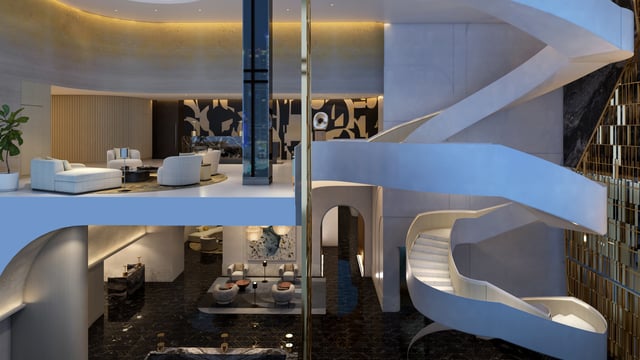
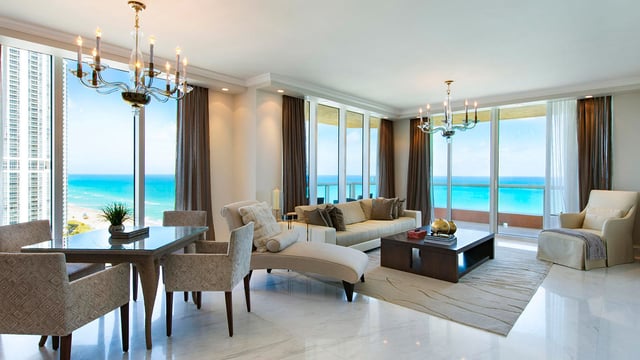
Brickell has always been a neighborhood of choreography: valet queues, lobby pacing, elevator timing, waterfront walks, and the quiet theater of arriving home. As more full-time residents choose high-rise living over single-family sprawl, the smallest rituals start to matter. Few are as revealing as the post-walk return-wet paws, salt clinging to coats-set against a lobby dressed in stone, art, and immaculate restraint.
That is the context behind the dedicated dog spa and grooming suite. What began as a basic pet relief patch has matured into an interior, purpose-built room that treats pet care like any other daily necessity: contained, hygienic, and beautifully finished. In top Brickell buildings, the pet suite is no longer a novelty. It is an operational solution-and increasingly, an expectation.
For buyers assessing lifestyle fit, this amenity is a shorthand for how a building thinks. Does it anticipate real routines? Does it protect common areas? Does it create calm for residents who love dogs and for those who prefer distance? A well-executed grooming suite answers all three.
Why Brickell is the natural home for the dog spa
Brickell’s density and walkability make it ideal for pet ownership, but vertical living introduces friction points. After rain, bayfront humidity, or a long sidewalk loop, a quick rinse isn’t indulgence. It’s practical building stewardship.
In ultra-premium towers, finishes are part of the promise. Marble-like floors, refined millwork, and upholstered lobby seating don’t pair well with muddy paws or shedding coats. A dedicated grooming room reduces the chance that everyday pet care spills into corridors, amenity decks, and elevators. It also supports staff by centralizing mess and reducing after-hours cleaning that can quietly become an unspoken cost.
This is why the new standard isn’t simply “pets allowed.” It’s pet operations planned into the architecture.
Within Brickell’s broader wave of lifestyle amenities, the dog spa also aligns with a wellness-forward mindset. Buildings that prioritize resident routine tend to curate cohesive amenity stacks: wellness areas, thoughtful arrival sequences, and practical back-of-house flow. In that context, a pet spa feels less like an add-on and more like a necessary ingredient.
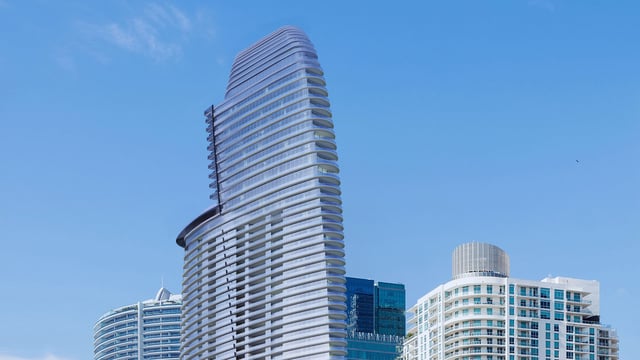
Consider how buyer expectations are being shaped across the district, from the design-led positioning at 888 Brickell by Dolce & Gabbana to the neighborhood’s continued evolution with projects like Mercedes-Benz Places Miami. Even when a buyer isn’t focused on pets, these towers help set the baseline: if every detail is curated, why would pet care be left to improvisation?
What a “dedicated dog spa” actually includes (and what it should)
Not every pet wash qualifies as a true grooming suite. In luxury buildings, the best versions tend to share a handful of traits that matter more than branding.
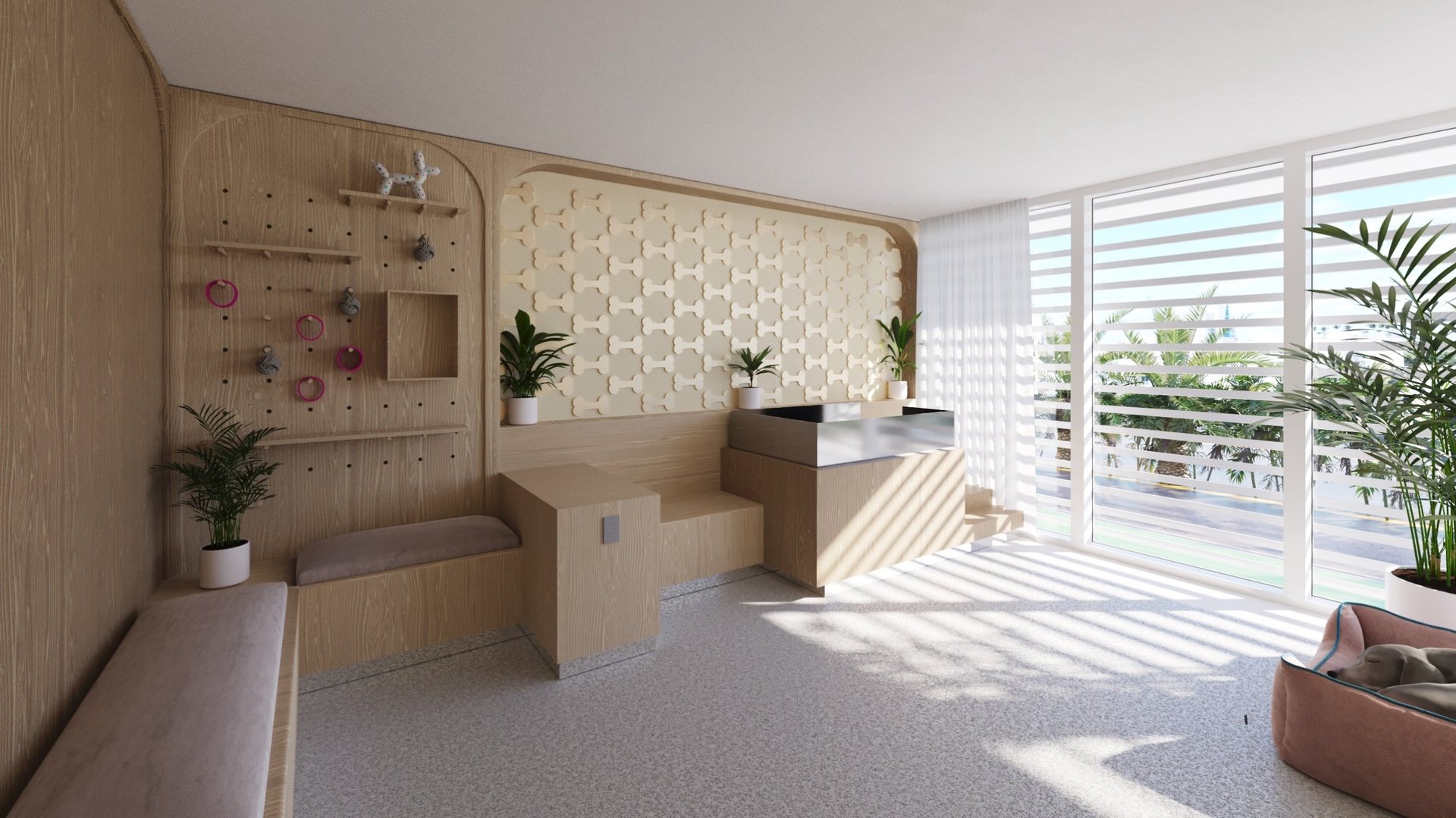
First is the bathing infrastructure. Look for an elevated wash station or tub that reduces back strain, paired with a hand sprayer, easy-to-clean surfaces, and hardware built to withstand constant moisture. Second is drainage: floors should be properly pitched, with a drain that doesn’t pool water near entry thresholds.
Third is ventilation and odor control. A pet suite lives or dies by air handling. If the room feels damp or warm, it will be used less and complained about more. A crisp, dry environment signals competent design and consistent maintenance.
Fourth is durability, expressed quietly. Walls should tolerate splashes without staining. Doors and corners should resist scratching. The best rooms aren’t precious; they’re elegant and robust.
Finally, storage and workflow. Hooks, towel shelves, a place to set supplies, and a thoughtful transition area for leashes are the difference between a room that photographs well and a room residents actually love.
Some buildings extend the concept into a broader pet suite: drying stations, grooming tables, or a small waiting niche. These features can be excellent-but only when paired with strict upkeep and clear rules.
A buyer’s checklist: details that separate premium from performative
For a luxury buyer, the question isn’t whether the building has a dog spa; it’s whether it operates like a well-run private club.
Start with location. The ideal placement is near an entry that makes sense for pet traffic, with easy access from a walk route and minimal cross-flow through formal areas. If owners have to cross the entire lobby and pass social lounges, the amenity can create tension.
Next, acoustics. Dog grooming isn’t silent. High-end buildings address this with thoughtful finishes, door gasketing, and sensible hours that protect neighbors.
Then, policies. A dedicated room is only as refined as its etiquette. Ask how the building manages scheduling, whether guidelines are posted, and how staff handles repeated noncompliance. Luxury is often the absence of conflict, and clear operations are part of the product.
Also consider elevator and corridor strategy. In many buildings, pet suites reduce the need for owners to bring wet pets directly to their units. That can preserve hallway cleanliness and extend the life of corridor finishes.
And look for maintenance cues. Is the room spotless at midday? Are supplies replenished? Are drains clear, and does the room smell neutral? These aren’t minor observations. They’re indicators of the broader standard.
Design, brand, and the “quiet status” of pet amenities
Luxury amenities communicate identity. A rooftop pool says one thing; a library says another. The dog spa is a newer symbol, but it’s quickly becoming a cultural marker.
In older eras of condominium marketing, pet amenities were framed as permissive. Today, the best projects treat pet ownership as a normal aspect of affluent urban life. That shift matters: it makes the building feel contemporary, lived-in, and confident rather than defensive.
In Brickell, where design narratives can be decisive in buyer choice, pet suites are often integrated into a broader story of detail and service. A resident who expects a beautifully managed arrival experience is often the same resident who values a grooming room that’s discreet, well-lit, and always ready.
This is why pet amenities increasingly sit alongside other buyer-facing signals: curated material palettes, hospitality-style service models, and wellness programming. A project like ORA by Casa Tua Brickell fits into the same conversation-not because it’s about pets specifically, but because it reflects an amenity worldview where daily life is the design brief.
Resale and rental relevance: what the dog spa suggests about value
A dedicated grooming suite rarely changes a buyer’s budget on its own. What it can change is a buyer’s shortlist.
For pet owners, it removes a persistent pain point: the feeling that daily routines are slightly at odds with the building’s formality. For non-pet owners, it reduces the chance that pet care spills into shared spaces. In both cases, it lowers friction and makes the building feel more orderly.
Over time, order becomes value. Buildings that manage competing lifestyles well tend to maintain stronger resident satisfaction, lower conflict, and a more consistent feel when units resell. The pet spa is often one small part of that operational maturity.
There’s also a subtle second-order effect: pet amenities can support higher-quality tenancies when leasing is permitted, because they attract residents who want to live well, not merely occupy space. That can help a building preserve its tone.
Even beyond Brickell, the pet suite is spreading as an expectation in premium coastal markets. In Hallandale, for instance, towers positioned for full-time and seasonal living reflect similar lifestyle thinking, as seen in 2000 Ocean Hallandale Beach. The neighborhood may differ, but the amenity logic is consistent: luxury is daily-life competence.
What to ask during a tour (without making it a pet interview)
You can learn a lot about a building’s culture with a few low-key questions.
Ask where the pet suite is, and whether it’s used regularly. Ask how it’s cleaned, and whether rules are posted. Ask if the building has designated routes or elevator etiquette for pets. Listen not only to the answers, but to how readily they’re delivered. Smooth, confident responses usually point to established operations.
Then, look at the room the way a designer would. Is the lighting flattering and functional? Is the floor safe when wet? Are there visible signs of wear at the corners and door edge? Does the room feel integrated into the property-or like it was added late?
Finally, consider your own routine. If you’d use the space weekly, it should feel effortless. If you’d rarely use it, it should still be discreet enough that other residents using it won’t disrupt your experience.
The Brickell outlook: the pet spa as standard practice
Brickell’s next chapter is less about convincing buyers to live vertically and more about refining what vertical living feels like. The pet spa and grooming suite is emblematic of that shift. It acknowledges that the modern luxury buyer brings a life, not just luggage.
As towers compete on experience, not just views, the buildings that win will be the ones that reduce daily friction without announcing it. In that world, a dedicated dog spa isn’t an amenity you show off. It’s one you quietly rely on.
FAQs
-
What is a dedicated dog spa in a condominium? It is a purpose-built grooming room-typically with a wash station and drainage-designed to keep pet care out of hallways and bathrooms.
-
Is a dog spa different from a pet relief area? Yes. Relief areas are for quick breaks, while a dog spa is an indoor wash and grooming environment for cleaning and drying.
-
Why are dog spas becoming common in Brickell condos? High-rise density makes post-walk cleanup a daily need, and buildings want to protect common-area finishes and reduce mess.
-
What features make a dog spa feel truly luxury? Strong ventilation, durable surfaces, an easy-to-use wash station, and a layout that keeps the room clean and calm.
-
Do dog spas create noise or odor issues? They can if poorly designed or unmanaged; well-run buildings control this with ventilation, acoustics, and clear rules.
-
Should I worry about maintenance costs tied to pet amenities? Any amenity has upkeep, but a well-maintained pet suite can reduce cleaning burdens elsewhere in the building.
-
How can I evaluate a building’s pet policy during a tour? Ask about hours, cleaning routines, and etiquette expectations, and observe whether staff explains policies confidently.
-
Will a dog spa help resale value? It can improve marketability by reducing lifestyle friction, particularly for pet owners who compare buildings closely.
-
Can non-pet owners benefit from a dog spa amenity? Yes. When pet care is contained in a dedicated room, lobbies and elevators tend to stay cleaner and more orderly.
-
What should I look for in the location of the pet spa? Ideally it is near a practical entry route, away from formal lounges, so pet traffic feels discreet and well managed.
When you're ready to tour or underwrite the options, connect with MILLION Luxury.

Million Luxury
Million Luxury
Welcome to MILLION, an exclusive luxury real estate boutique nestled in the heart of South Florida’s most desirable locations. Specializing in high-end properties, we provide a sanctuary for discerning clients including top Fortune 500 executives, affluent families, celebrities, and professional athletes from across the globe. At MILLION, we understand the unique demands of our elite clientele and offer a seamless blend of confidentiality and personalized attention. Our commitment to privacy is unwavering; we ensure that every transaction and interaction is handled with the utmost discretion and according to stringent confidentiality protocols. Our concierge service embodies the pinnacle of white-glove care, offering tailored assistance that transcends traditional real estate support.